
Great Pyramid of Khufu
The Pyramid at a Glance
The Last Wonder of the Ancient World
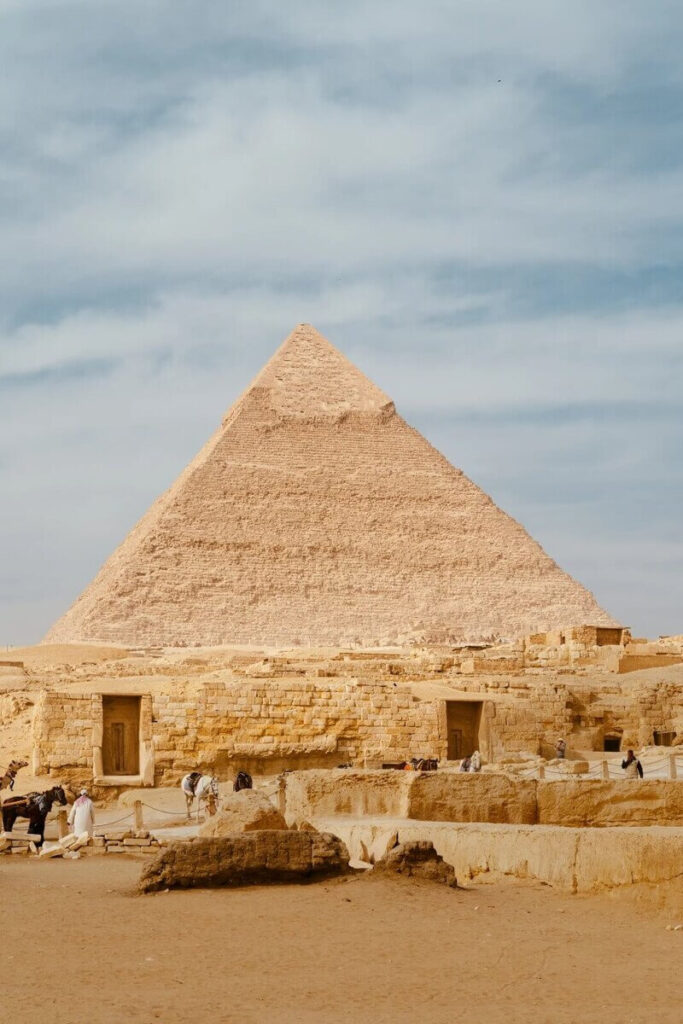
The largest pyramid in Egypt, the Great Pyramid of Khufu is the centerpiece of the Giza Necropolis complex. It serves as an eternal resting place for the Pharaoh Khufu and remains a beacon of ancient engineering.
| Official Name | Great Pyramid of Khufu (Cheops) |
| Location | Giza Plateau, Egypt |
| Built | c. 2580–2560 BCE |
| Base Length | ~230.3 m per side |
| Site Hours | 7:00 AM – 4:00 PM (Daily) |
| Best Time | October – April |
Historical Timeline
c. 2580 BCE Construction Begins
820 CE Caliph al-Ma’mun
1979 UNESCO Recognition
2024 Modern Discovery
Historical Background
Historical Background & Timeline
The Great Pyramid of Khufu was built during Egypt’s Fourth Dynasty around 2580–2560 BCE, a period considered the golden age of pyramid construction. Pharaoh Khufu, also known as Cheops, commissioned the pyramid as part of a vast funerary complex designed to secure his journey into the afterlife.
Building on the architectural innovations of his father, Pharaoh Sneferu, Khufu oversaw the construction of what became the largest and most precise pyramid ever created. Ancient Egyptian architects, engineers, and skilled laborers spent nearly 20 years completing the monument using an estimated 2.3 million limestone and granite blocks.
Archaeological discoveries show that the workers were organized labor teams who lived in nearby villages and received food, shelter, and medical care. The pyramid complex originally included:
- A mortuary temple
- Causeways
- Queen’s pyramids
- Boat pits
- Noble tombs and mastabas
Over the centuries, earthquakes, erosion, and the loss of outer casing stones changed the pyramid’s appearance, yet its core structure remains remarkably preserved. In 1979, the Giza Plateau was recognized as a UNESCO World Heritage Site for its extraordinary historical and cultural importance.
Explore the Wonders of Ancient Egypt
Book your visit to the Great Pyramid of Khufu and explore one of the world’s most iconic ancient landmarks.
What Makes It Extraordinary
What Makes the Great Pyramid of Khufu Extraordinary
01
The Largest Pyramid in Egypt
The Great Pyramid of Khufu is the largest pyramid ever built in Egypt and the biggest stone structure of the ancient world. Originally standing nearly 147 meters tall, it remained the tallest man-made structure on Earth for almost 3,800 years.
02
Incredible Engineering Precision
The Khufu Pyramid is famous for its near-perfect alignment with the cardinal directions and its remarkably precise stonework. Even today, experts continue to debate how ancient Egyptians achieved such extraordinary accuracy.
03
The Only Surviving Ancient Wonder
The Great Pyramid is the last remaining wonder of the ancient Seven Wonders of the World. For over 4,500 years, it has survived natural disasters, wars, and centuries of change, making it one of humanity’s greatest treasures.
04
Mysterious Interior Chambers
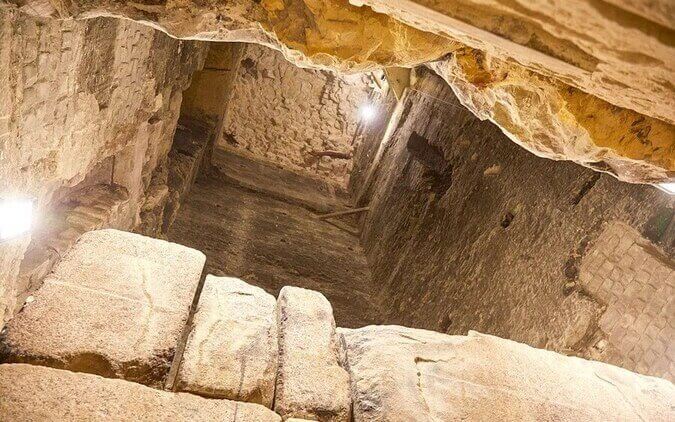
Inside the pyramid are fascinating passageways and chambers, including the Grand Gallery, King’s Chamber, Queen’s Chamber, and Subterranean Chamber. These hidden spaces continue to inspire mystery and research today.
What to See & Experience
Step Inside the Great Pyramid Experience
A visit to the Great Pyramid of Khufu offers far more than a single monument. Here is what you can experience across the Giza Plateau:
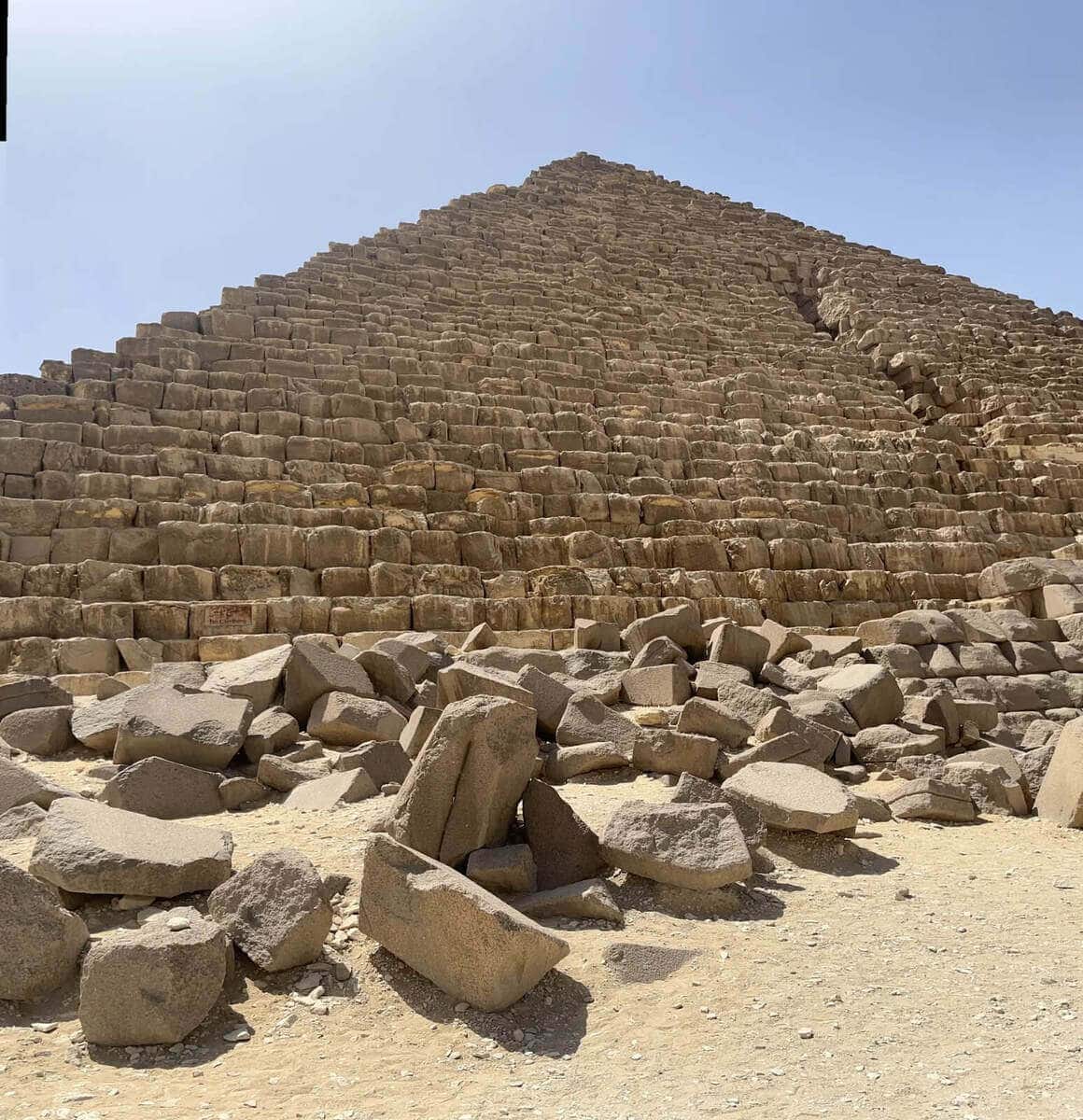
- The Great Pyramid Exterior — Stand beneath the massive limestone blocks and admire the scale of the largest pyramid in Egypt from every angle. The sheer size of the structure becomes even more impressive up close.
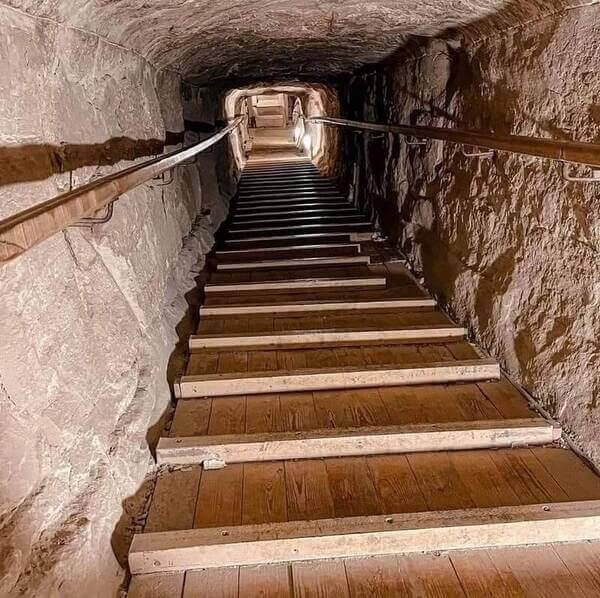
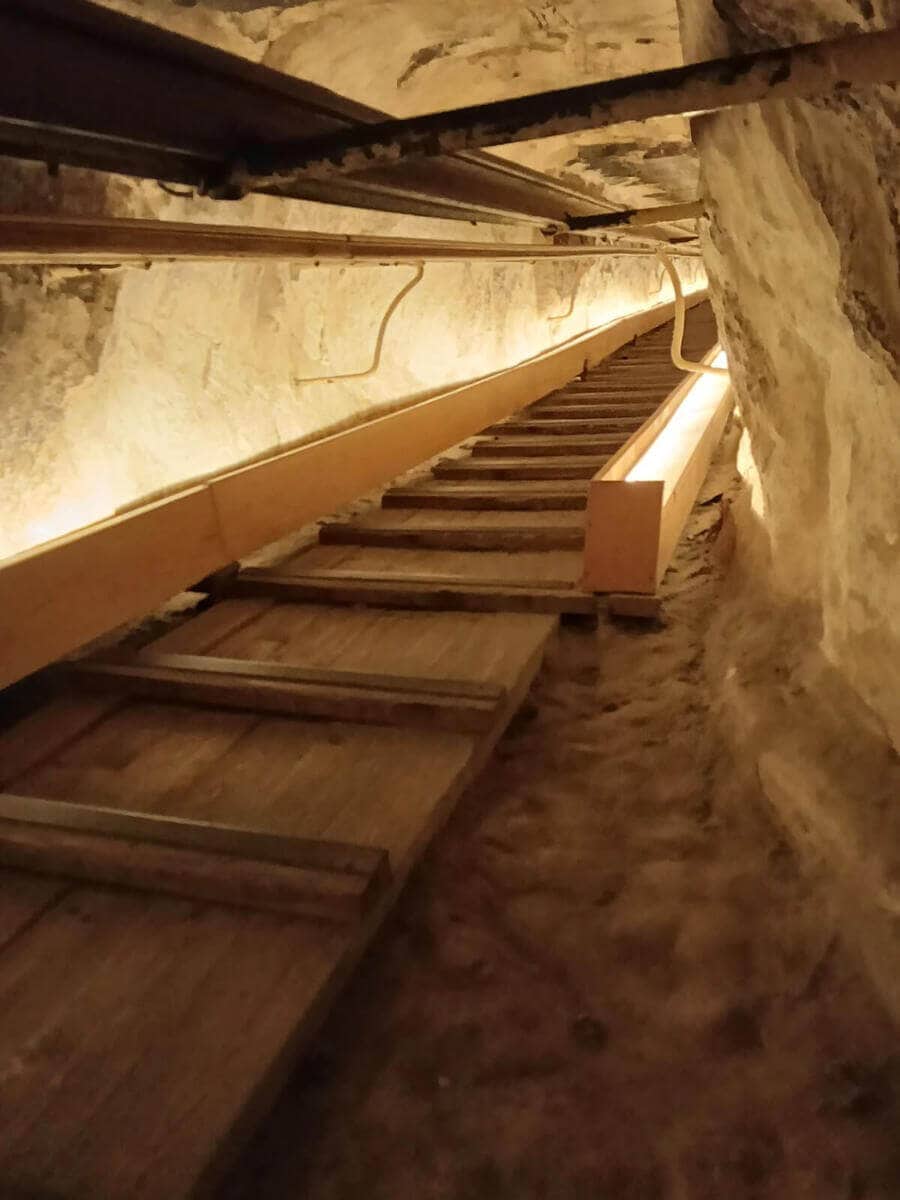
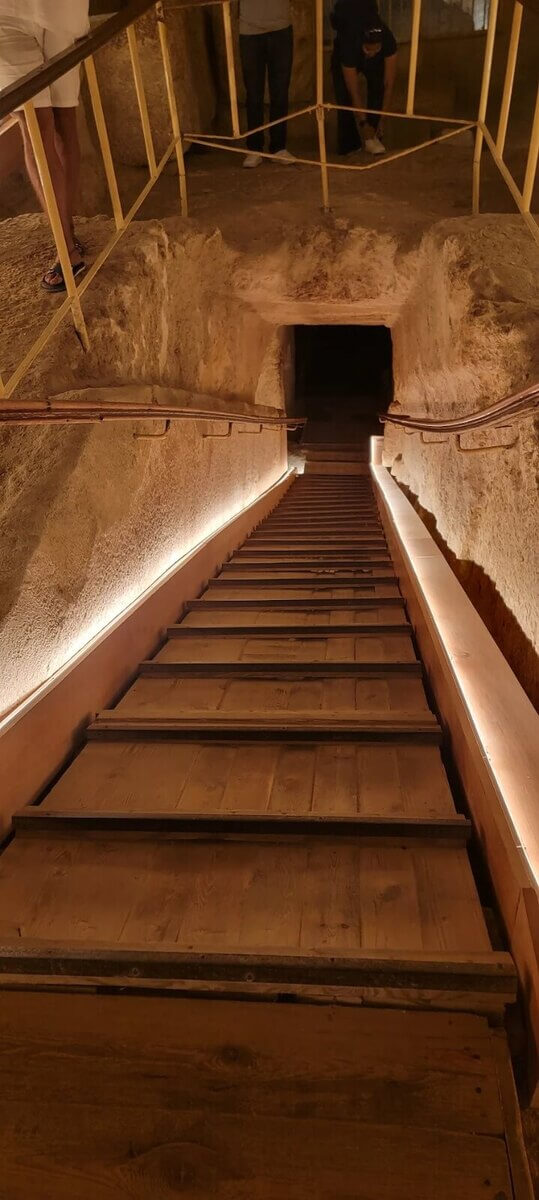
- Inside the Pyramid — Enter through the north face, pass through narrow corridors, and reach the Grand Gallery and King’s Chamber, home to Khufu’s granite sarcophagus. Interior access requires a separate ticket and may not suit visitors with claustrophobia.
- The Queen’s Chamber — Explore this smaller inner chamber known for its mysterious eastern niche and intriguing design. Historians still debate its exact purpose today.
- The Khufu Ship Museum — Discover the reconstructed cedarwood funerary boat of Pharaoh Khufu, now associated with the nearby Grand Egyptian Museum. The vessel reveals the advanced craftsmanship of ancient Egyptian builders.
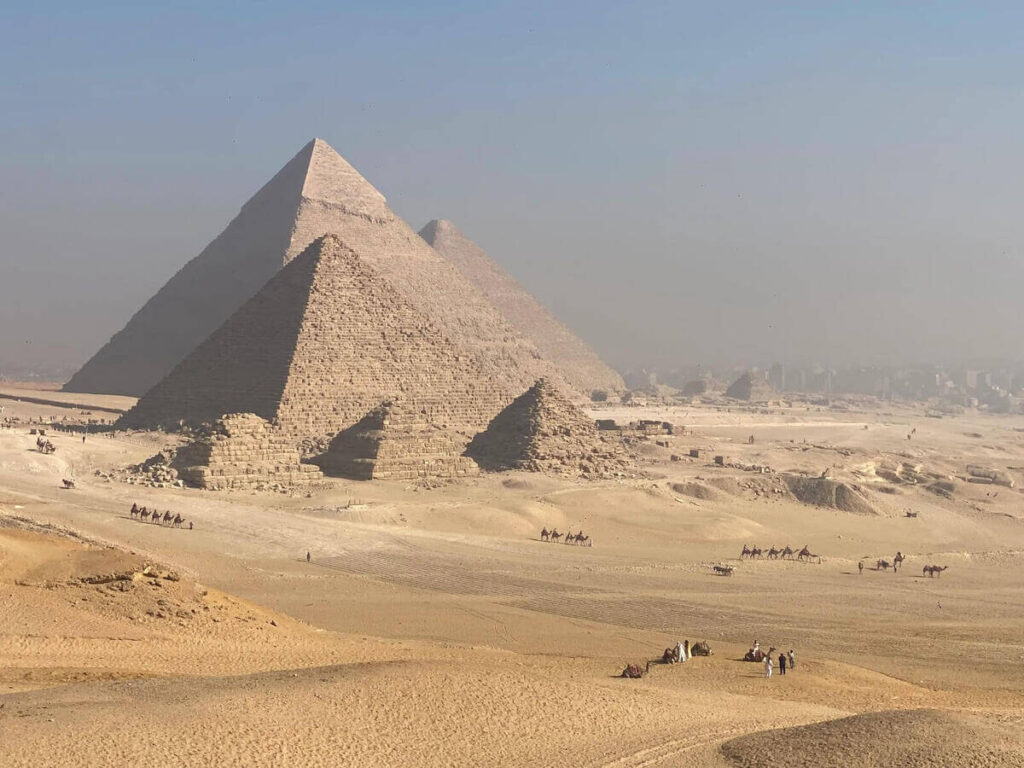
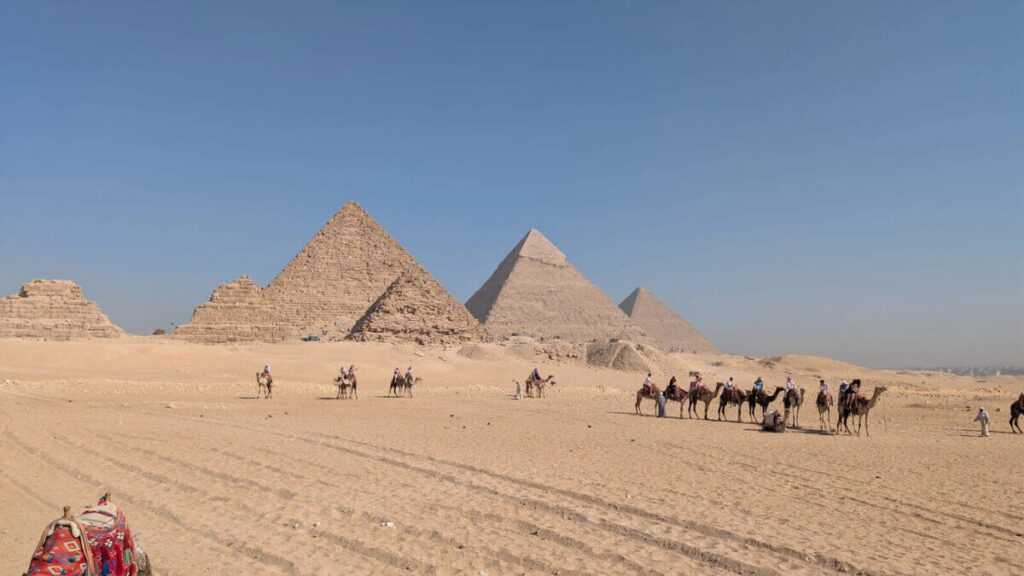
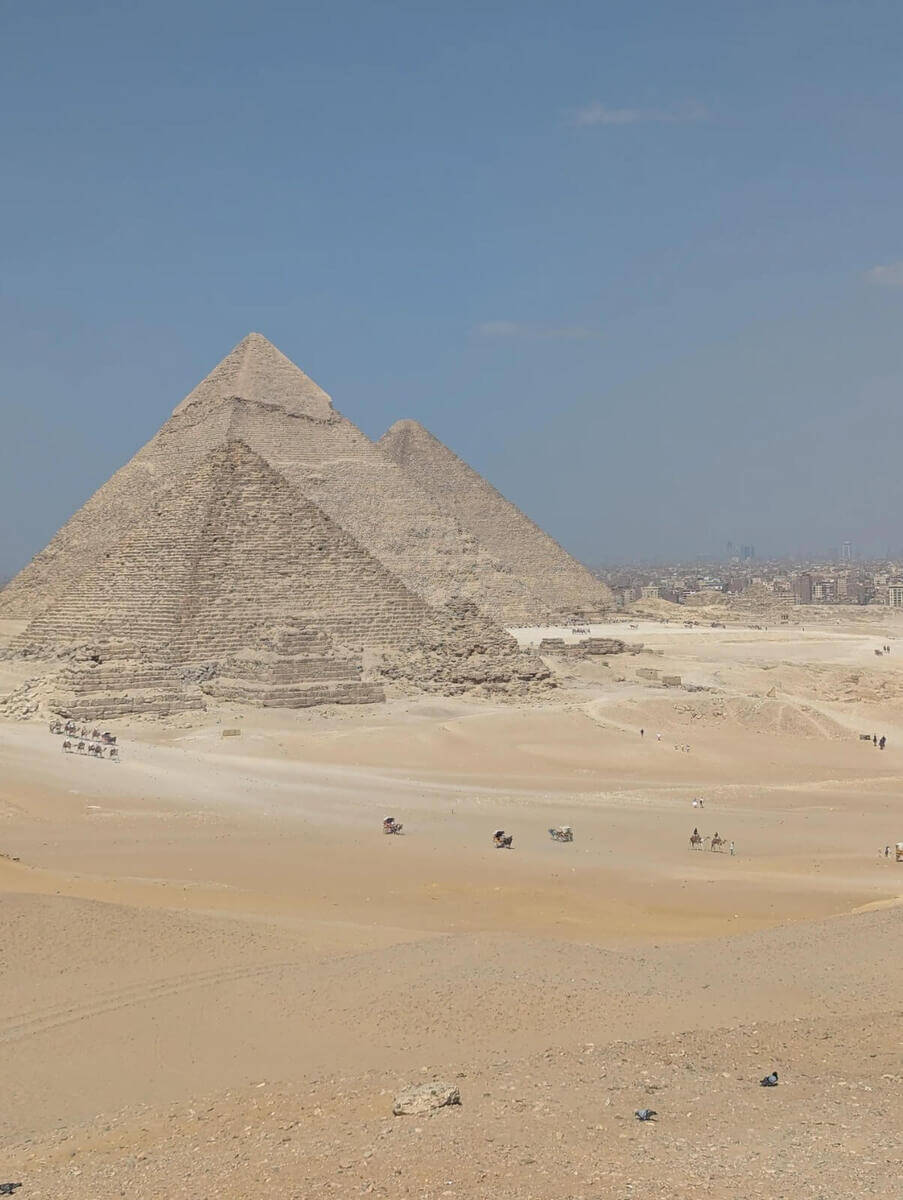
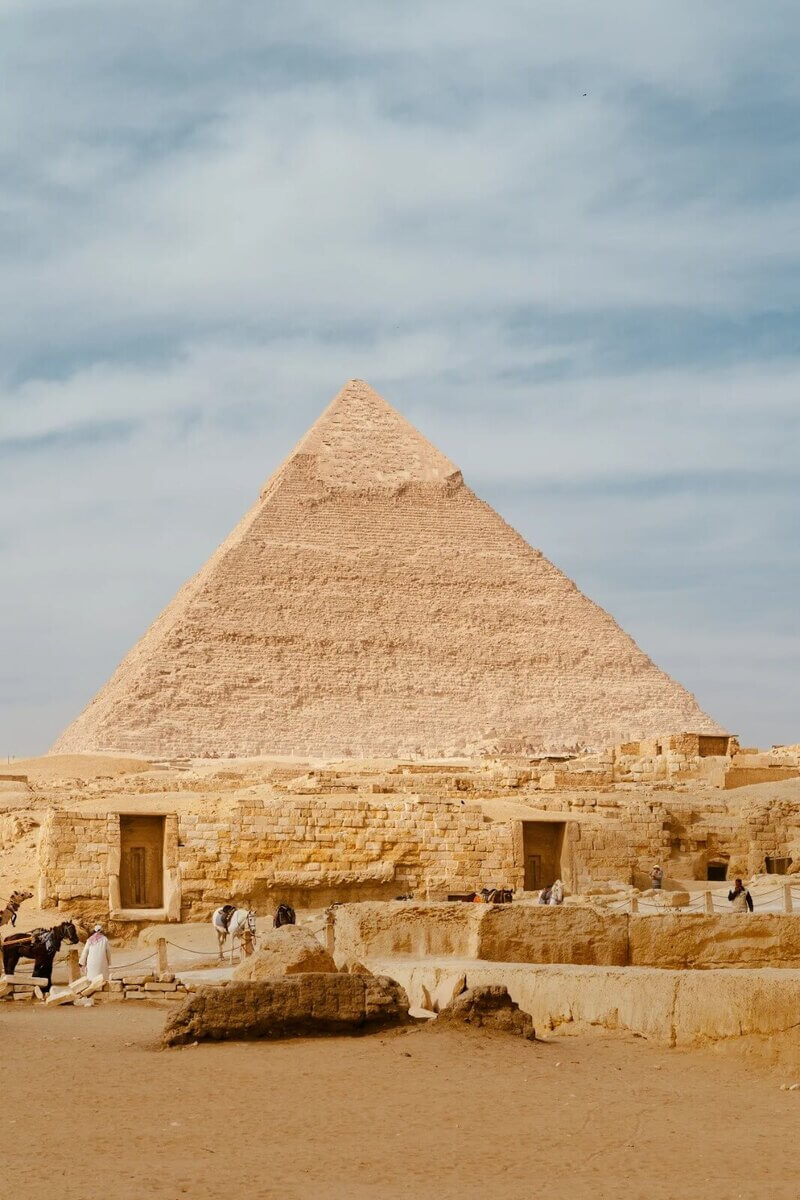
- The Giza Plateau Complex — Visit the Pyramid of Khafre, Pyramid of Menkaure, and the legendary Great Sphinx guarding the necropolis. Together, they form one of the world’s most famous archaeological landscapes.
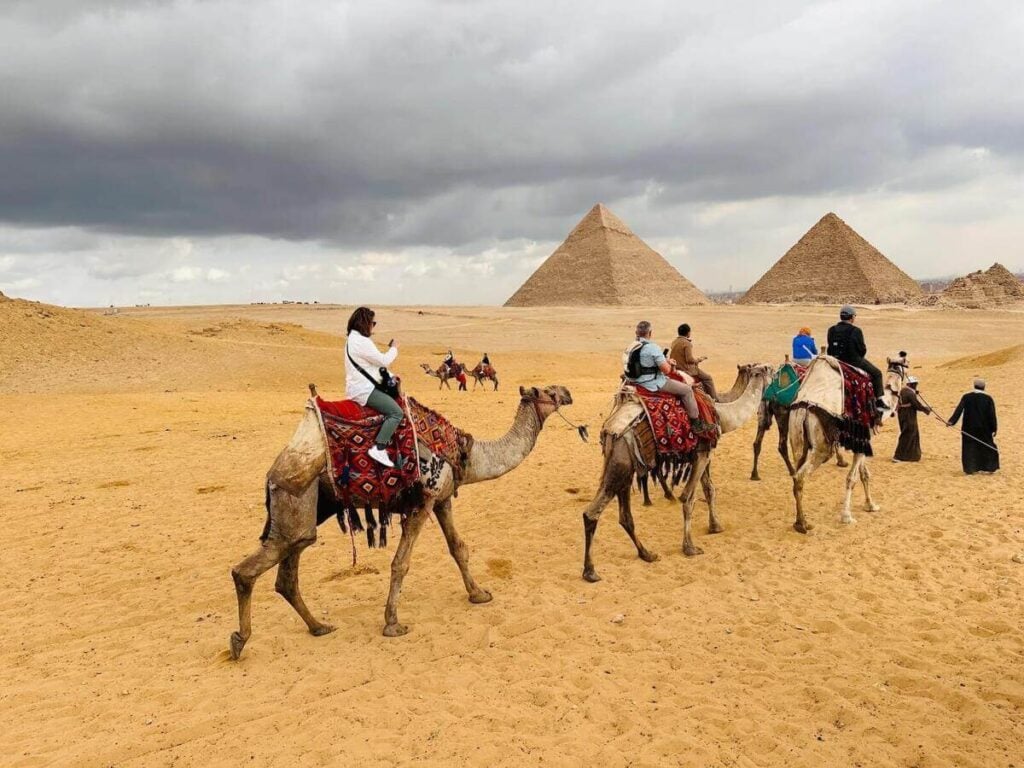
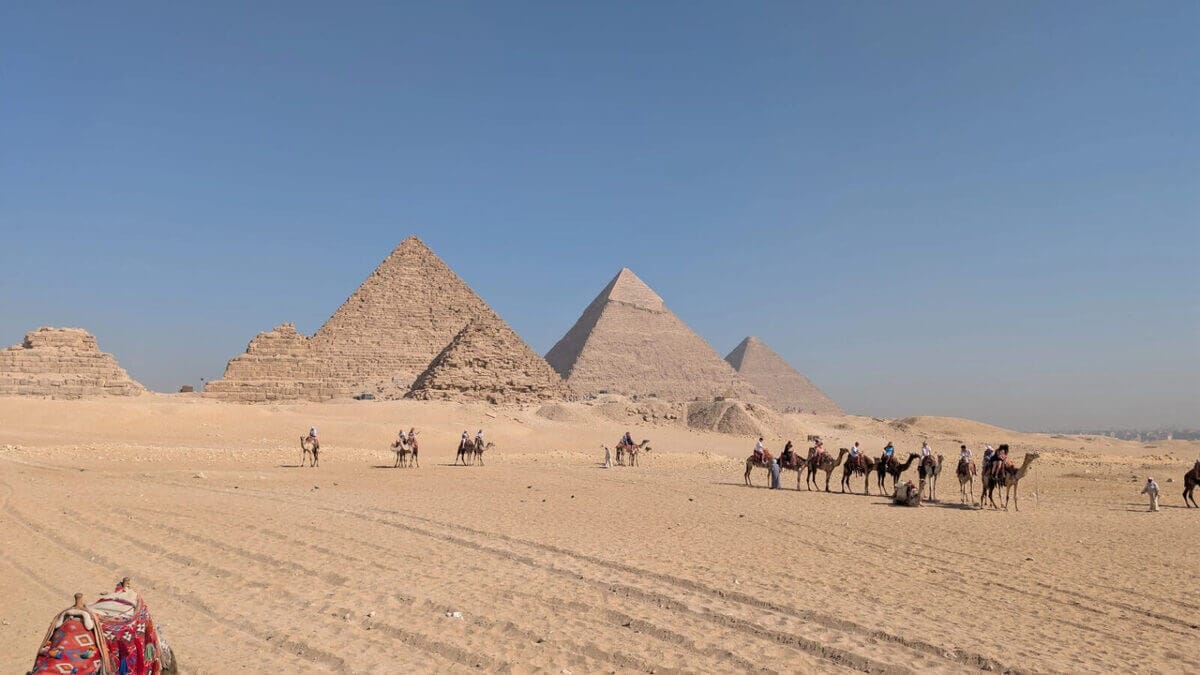
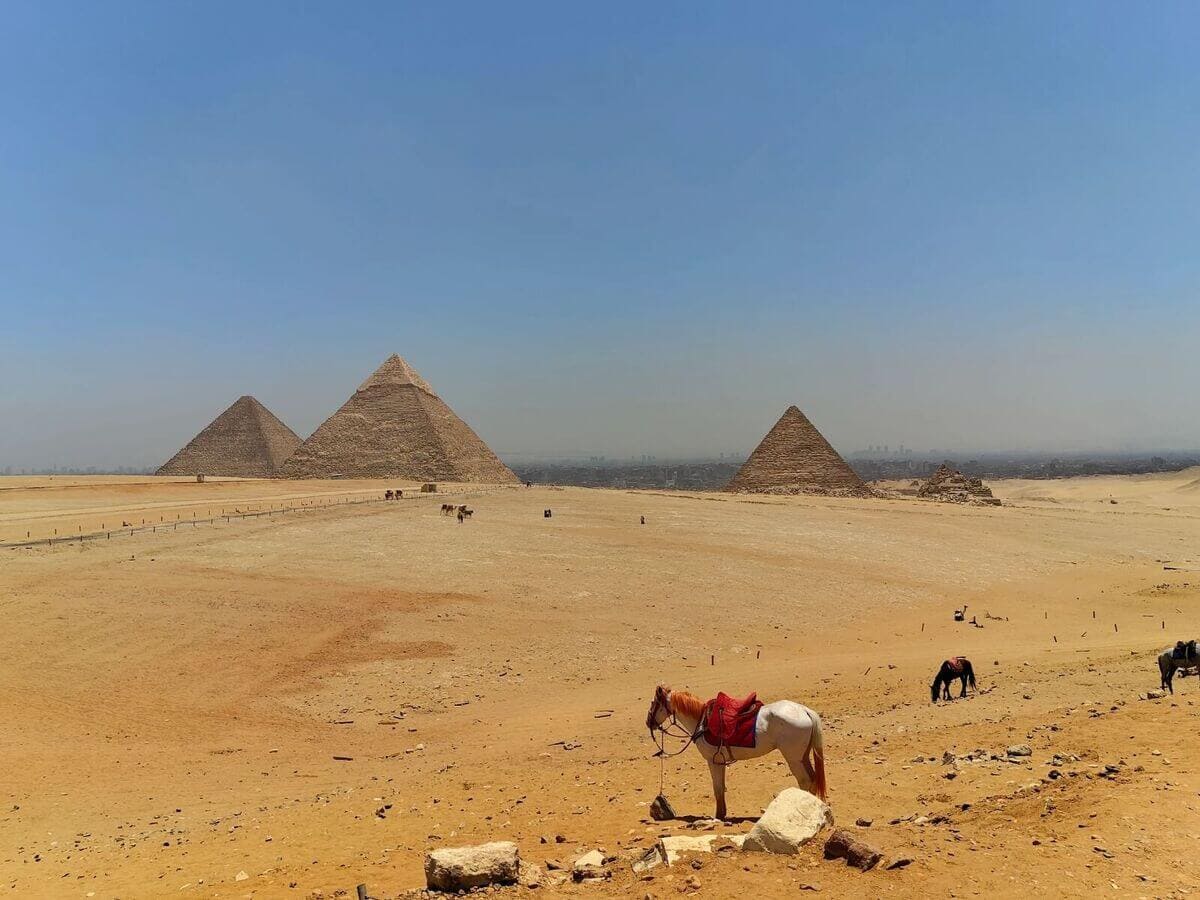
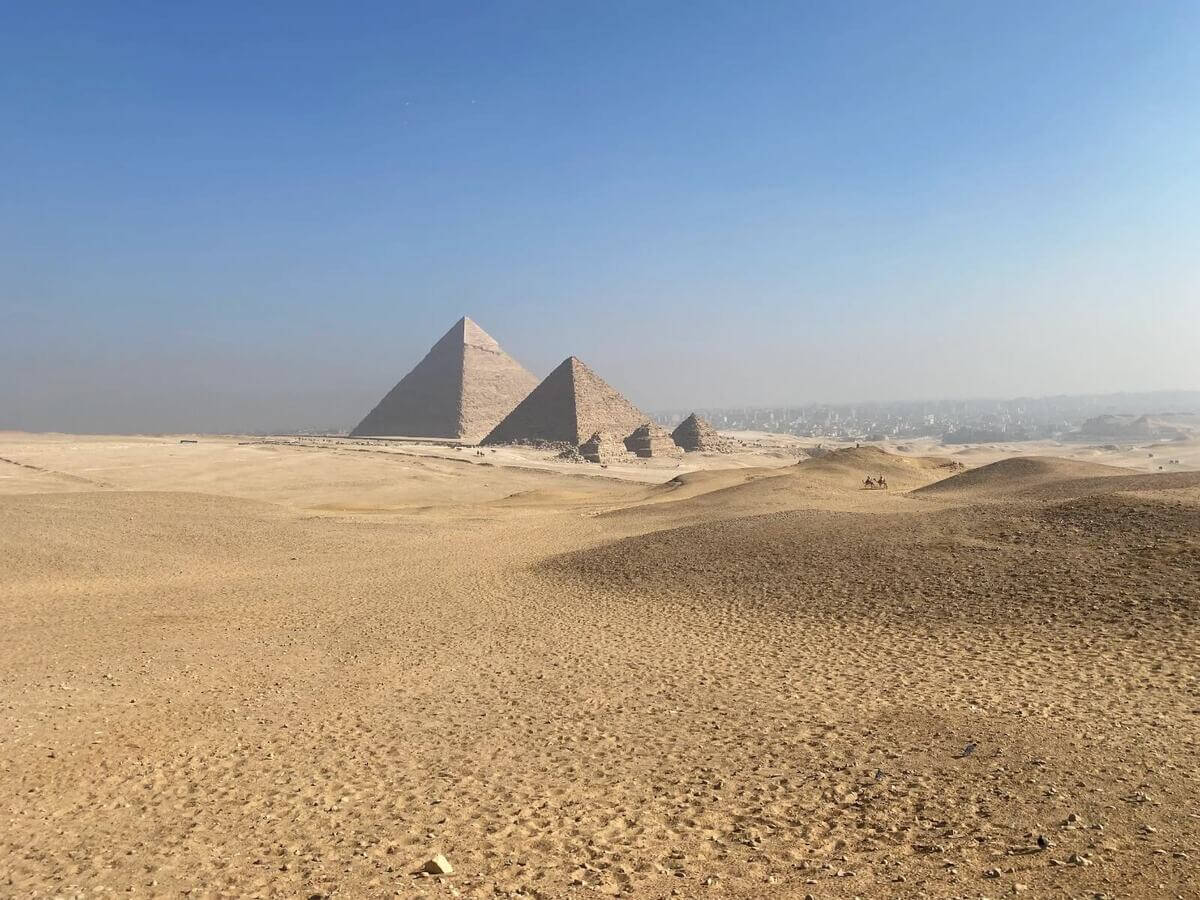
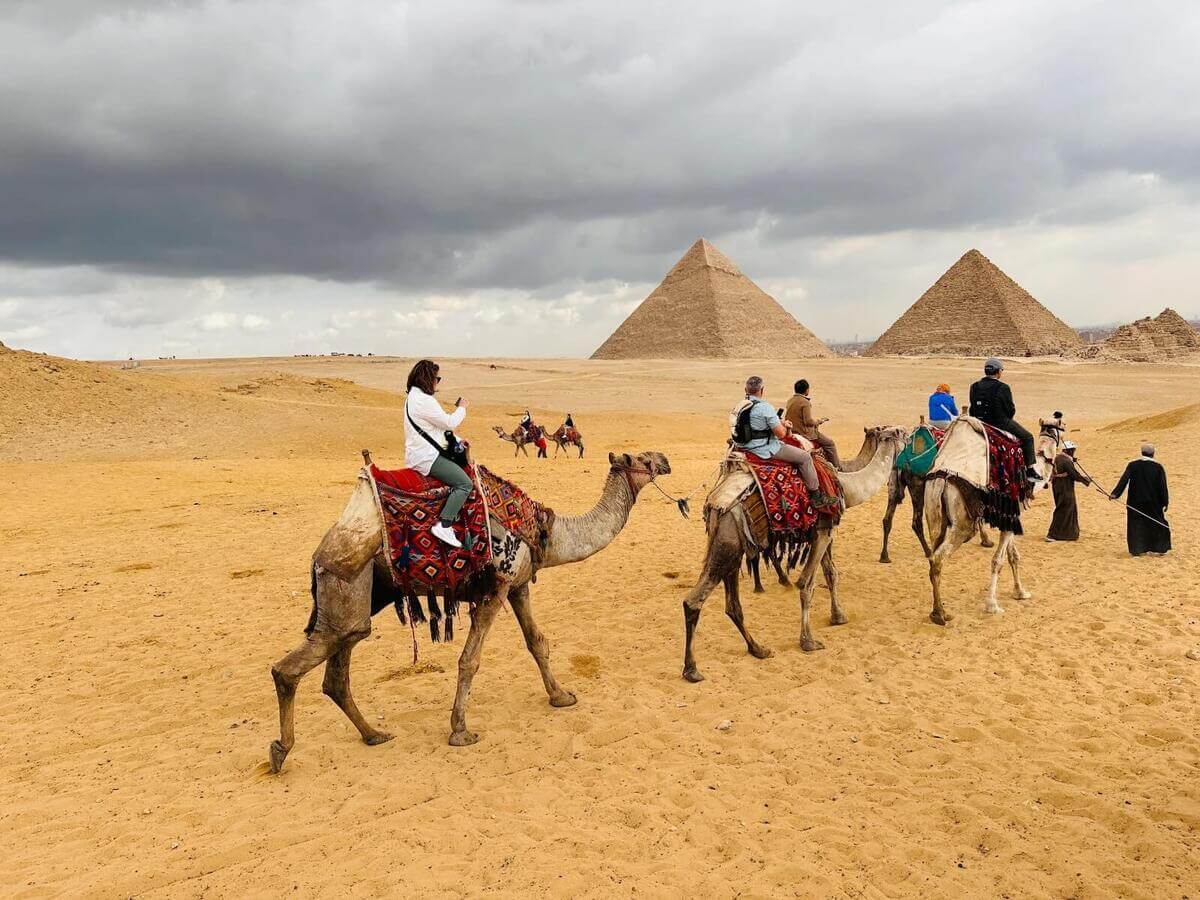
- Panoramic Desert Views — Enjoy breathtaking views of the three pyramids from the southern viewpoint, especially during sunrise or sunset. Camel and horse rides are also popular ways to explore the desert surroundings.
Why Visit
Cultural & Historical Significance
Few monuments in human history carry the weight of meaning that the Great Pyramid of Khufu does. It is simultaneously an architectural wonder, a religious statement, a cosmological map, and a testament to human ambition.
A Declaration of Divine Kingship: The pyramid was not merely a tomb. In ancient Egyptian belief, the pharaoh was a living god — Horus on Earth and Osiris in death. Its upward form symbolized divine power and the soul’s journey to the stars, while also projecting the king’s authority across the Nile Delta.
The Anchor of Egyptian Civilization: Its construction was one of the most complex projects in history, requiring a highly organized state to manage labor, resources, and logistics for tens of thousands of workers. It reflects the administrative strength that helped shape ancient Egypt.
A Universal Symbol of Human Achievement: For nearly 4,000 years, it remained the tallest structure on Earth, inspiring rulers, scholars, poets, and engineers across civilizations and eras.
A Living Archaeological Site: The pyramid continues to reveal new discoveries, from ancient papyri like the Diary of Merer to modern 3D scanning and imaging that uncover hidden details, proving history is still unfolding.
UNESCO Recognition & Global Legacy: The Giza Plateau has been a UNESCO World Heritage Site since 1979. Today, it attracts around 14 million visitors annually and remains one of the most powerful symbols of human creativity and endurance.
Explore the Wonders of Ancient Egypt
Book your visit to the Great Pyramid of Khufu and explore one of the world’s most iconic ancient landmarks.
Visitor Information
Location & Access
Al Haram, Giza Governorate (20km from Cairo). From April 2025, use the new entrance on Fayoum Desert Road.
Getting There
30–40 mins by Uber/Taxi from Cairo. Guided tours are highly recommended for the best historical context.
Ticket Pricing
Plateau Entry
EGP 700 (~$14)
Inside Khufu
EGP 1,500 (~$30)
Essential Tips
- Arrive at opening (7:00 AM) for the best light and crowds.
- Wear sturdy, closed-toe shoes; the pyramid interior is steep and uneven.
- Interior is warm and humid; avoid if claustrophobic.
- Dress modestly; keep shoulders and knees covered.
- Allow 4–5 hours for the full plateau, Sphinx, and GEM museum.
FAQs
Frequently Asked Questions About the Great Pyramid of Khufu
Who built the Great Pyramid of Khufu?
It was built during Egypt’s Fourth Dynasty for Pharaoh Khufu, likely by tens of thousands of skilled workers organized by the ancient Egyptian state.
How old is the Great Pyramid?
It is about 4,500 years old, constructed around 2580–2560 BCE.
Why is the Great Pyramid of Khufu famous?
It is the largest pyramid in Egypt, the last surviving wonder of the Seven Wonders of the Ancient World, and a masterpiece of ancient engineering.
Can you go inside the Great Pyramid?
Yes, visitors can enter, but access requires a separate ticket and may be challenging due to narrow passages and steep corridors.
What is inside the Great Pyramid?
Inside are the Grand Gallery, King’s Chamber, Queen’s Chamber, and other passageways, including Khufu’s granite sarcophagus.
When is the best time to visit the Great Pyramid?
The best time is from October to April when the weather is cooler, with early mornings offering fewer crowds and better conditions.
Plan Your Visit
Ready to Step Inside Egypt's Royal History?
Book your cruise or tour package to ensure seamless entry, expert guidance, and the most meaningful experience at the last surviving Wonder of the Ancient World.