
Abdeen Palace
The Palace at a Glance
Cairo's Most Magnificent Royal Landmark
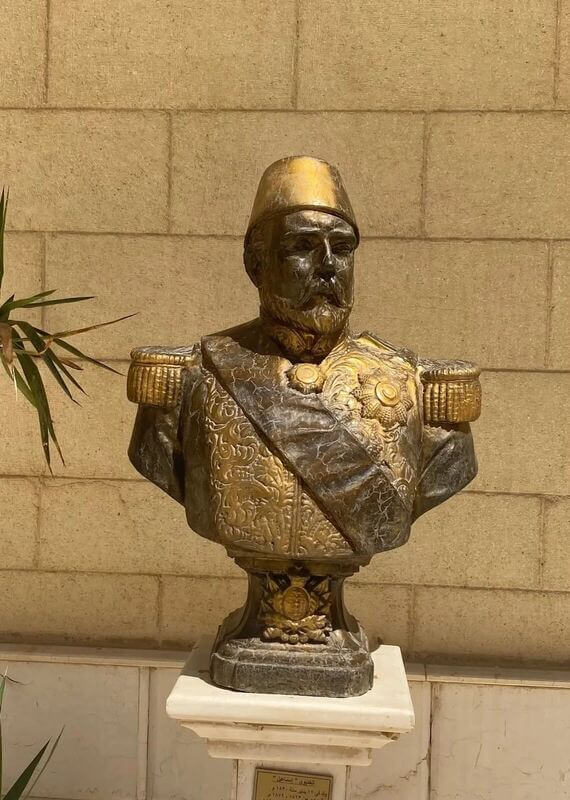
Hidden in the beating heart of historic Cairo, Abdeen Palace is more than a monument — it is Egypt’s most dramatic royal story frozen in stone, marble, and gold. Commissioned in 1863 by the visionary Khedive Ismail, this sprawling palace complex took eleven years to complete and redefined what a modern Egyptian capital could look like.
Today, Abdeen Palace opens its gilded doors to the public as a world-class museum complex. Whether you’re a history enthusiast, an architecture lover, or a first-time visitor to Cairo — this is the one landmark you absolutely cannot miss.
Historical Timeline
1863 Construction begins under Khedive Ismail.
1874 The Palace officially becomes the seat of government.
1952 The revolution shifts the role from royal to presidential.
Today A world-class museum complex and cultural landmark.
Explore the Wonders of Ancient Egypt
Book your visit to the Abdeen Palace and explore one of the world’s most iconic ancient landmarks.
Royal Construction
From Vision to Reality — The Making of Abdeen Palace
In 1863, Khedive Ismail set out to transform Cairo into the “Paris on the Nile” — a city that would rival the grandeur of Europe’s greatest capitals. His most ambitious project? A royal palace that would announce Egypt’s arrival on the world stage.
Construction of Abdeen Palace began that same year, led by French architect Léon Rousseau and shaped by the skilled hands of Italian craftsmen. After more than a decade of meticulous work, the palace was completed in 1874 — named in honor of Abdeen Bey, a distinguished military figure and the land’s former owner.
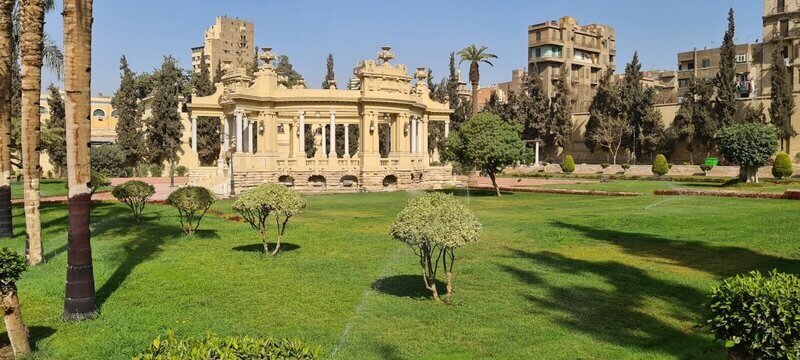
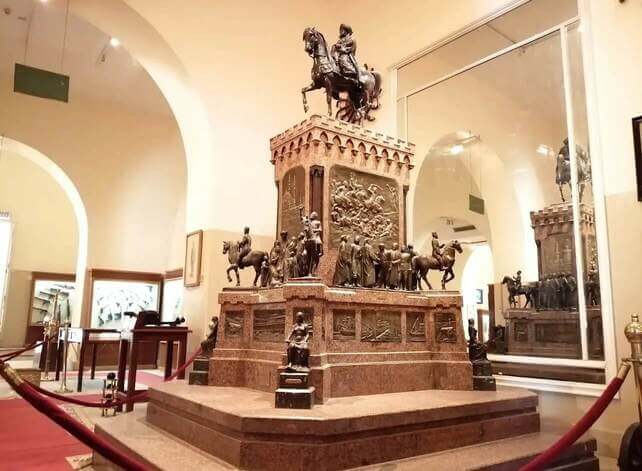
Spanning approximately 24 hectares, the palace complex is a world unto itself. Manicured gardens, dancing fountains, and elegant statuary frame the main building, which houses lavish ceremonial halls and intimate private quarters. Surrounding structures once served vital administrative and residential functions, forming a self-contained royal city within Cairo.
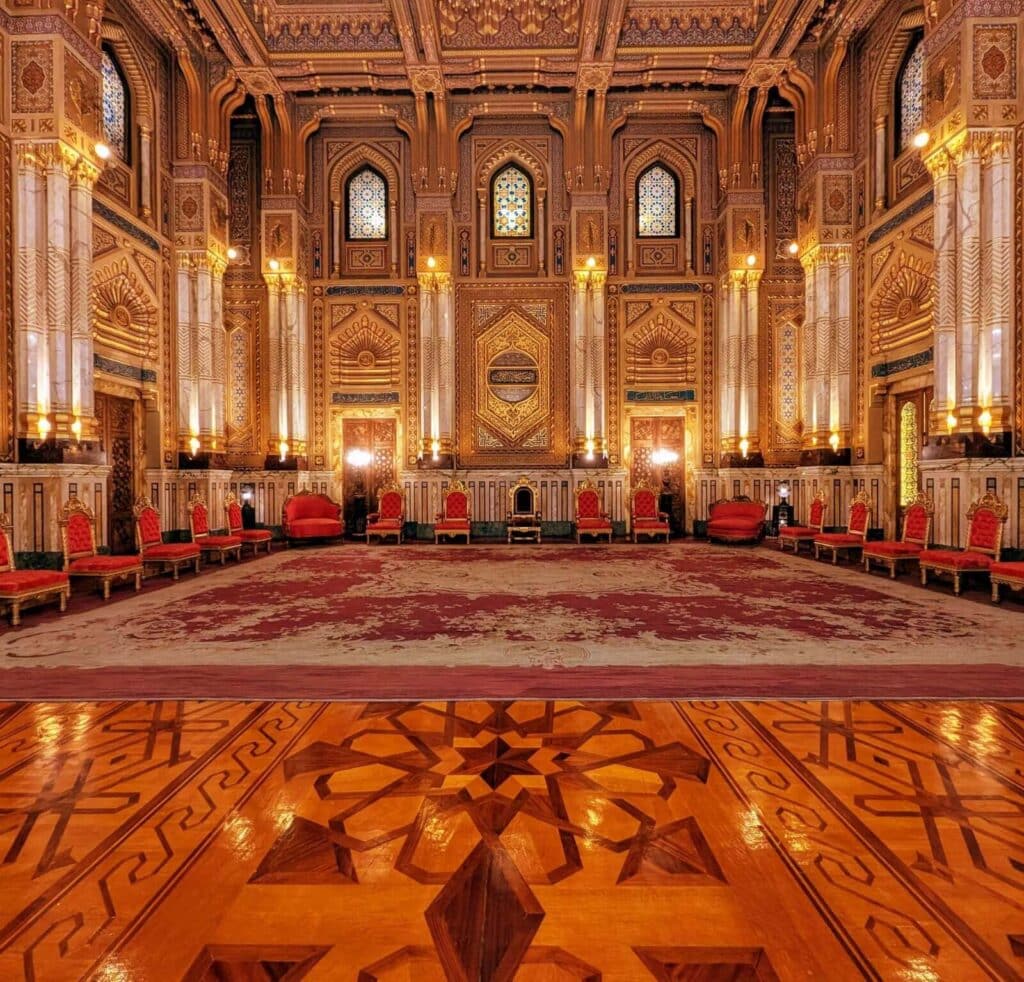
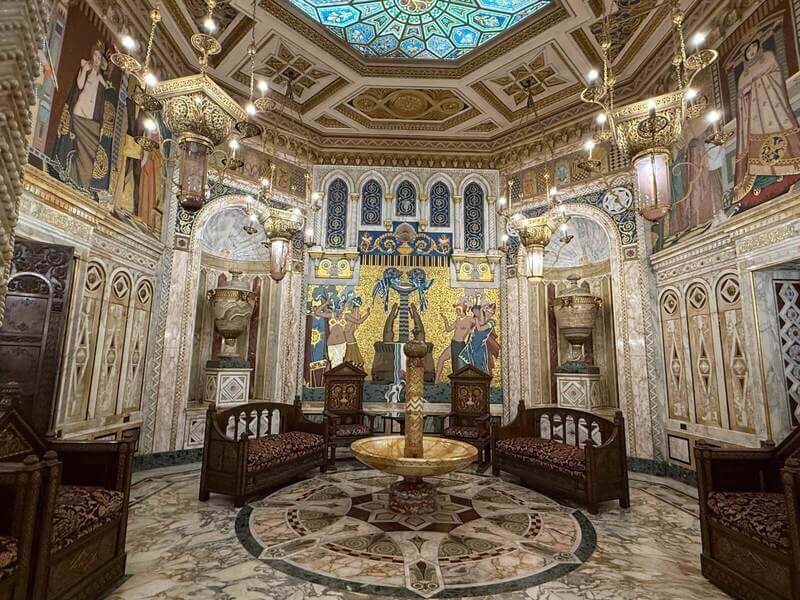
What makes Abdeen Palace truly extraordinary is its architecture. It seamlessly blends European Neoclassical grandeur with Ottoman grace and Moorish detail — a visual testament to Egypt’s unique cultural identity in the 19th century. This is not merely a building; it is a story told in stone.
Royal Collections
Step Inside — Exploring the Museums of Abdeen Palace
That story continues today, as Abdeen Palace opens its doors to the world as a remarkable museum complex. Where royalty once walked, visitors now wander through carefully curated galleries that bring Egypt’s rich heritage to life.
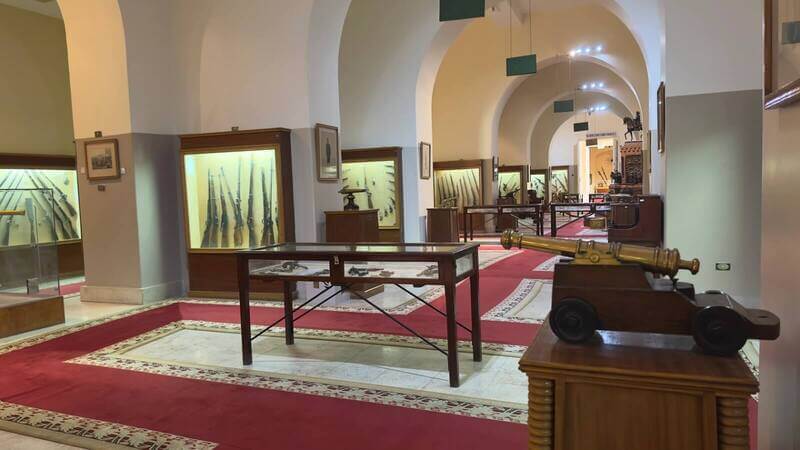
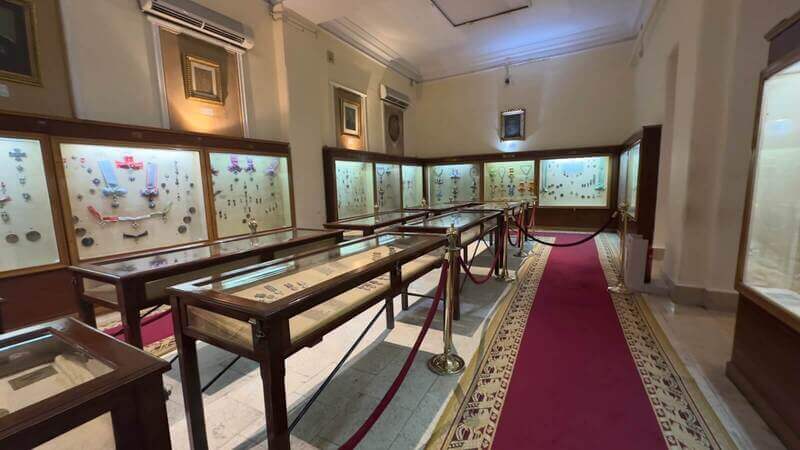
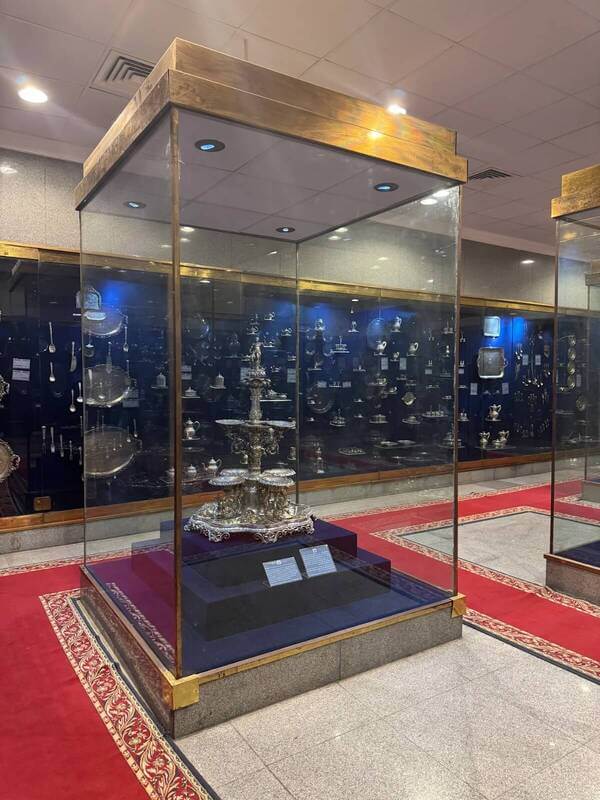
The palace houses four standout collections: the Arms Museum, the Presidential Gifts Museum, the Historical Documents Museum, and the Silver Museum. Each one peels back a different layer of Egypt’s royal, military, and diplomatic past — making every room a new discovery.
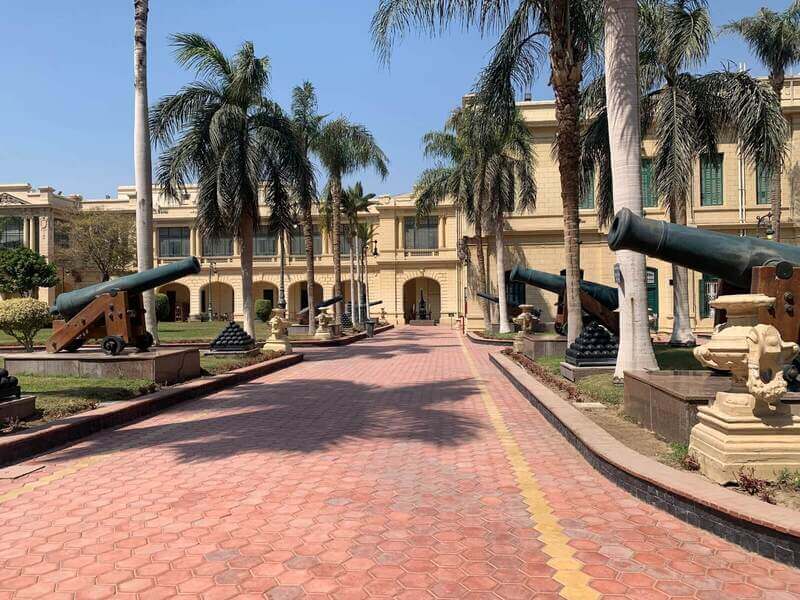
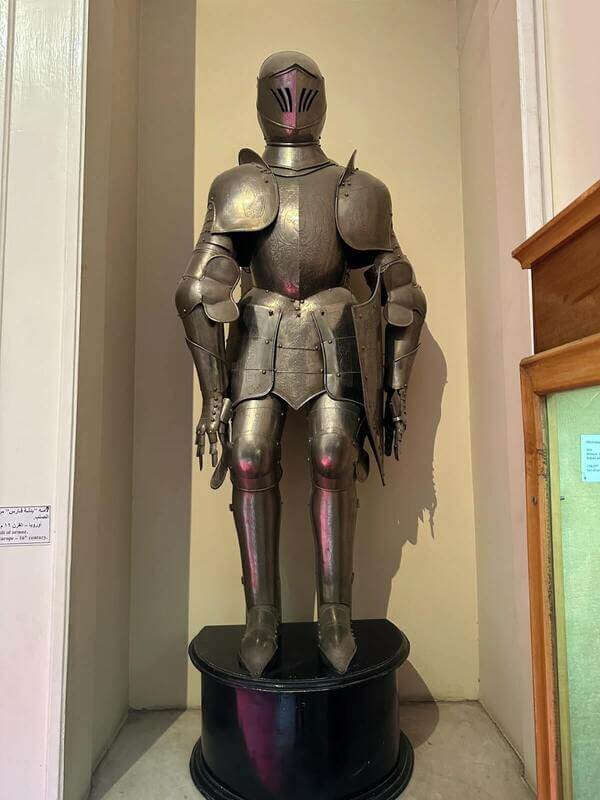
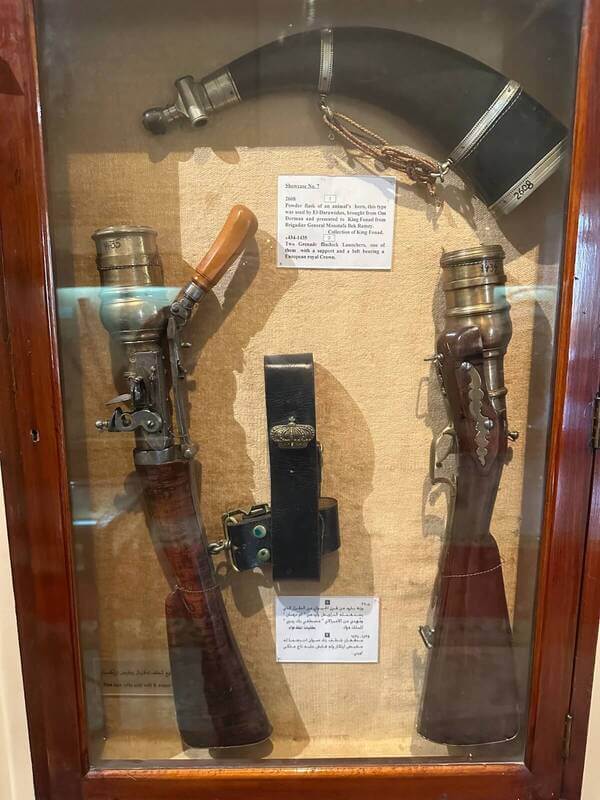
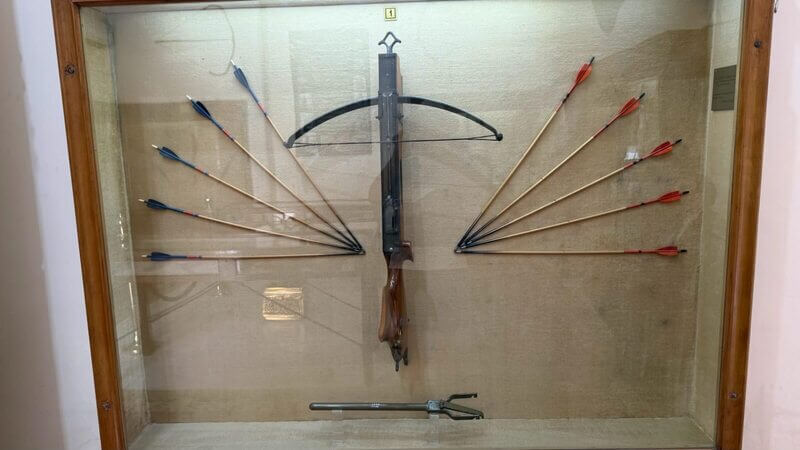
The Arms Museum is a highlight for history enthusiasts, showcasing centuries of weapons, armor, and military craftsmanship. More than a display of objects, it narrates Egypt’s long and complex military evolution — from ancient empires to the modern era.
Step next into the Presidential Gifts Museum, and the experience shifts dramatically. Here, lavish diplomatic gifts exchanged between Egyptian leaders and international dignitaries reveal a fascinating window into global politics and cultural exchange. Every object carries a story of alliance, respect, and history made behind closed doors.
Together, these museums elevate Abdeen Palace far beyond a historic site. They transform it into an immersive journey — one that connects visitors directly to the people, decisions, and moments that shaped a nation.
Heritage Protection
Preserving the Legacy — Abdeen Palace as Egypt's Cultural Guardian
A treasure this extraordinary demands extraordinary care. Recognizing the palace’s irreplaceable value, the Egyptian government has launched extensive restoration and conservation programs to safeguard both its architectural splendor and its priceless collections.
These ongoing efforts ensure that Abdeen Palace remains exactly what it has always been: a living landmark at the heart of Cairo’s cultural identity — not a relic behind glass, but a breathing piece of history fully accessible to the public.
Yet preservation here goes beyond stone and mortar. Abdeen Palace serves as a vital bridge between Egypt’s royal past and its modern national identity. For locals, it is a source of pride and memory. For international visitors, it is an essential key to understanding Egypt’s socio-political evolution across centuries.
As a public museum, the palace continues to educate, inspire, and captivate — reinforcing its place as one of Egypt’s most iconic and enduring symbols. To visit Abdeen Palace is not simply to see where history happened. It is to feel it.
Explore the Wonders of Ancient Egypt
Book your visit to the Abdeen Palace and explore one of the world’s most iconic ancient landmarks.
What Makes It Extraordinary
4 Reasons Abdeen Palace Will Astonish You
01
Architectural Fusion
A seamless marriage of European Neoclassical grandeur with Ottoman and Moorish ornamentation — an aesthetic found nowhere else on Earth.
02
Lavish Royal Interiors
Sumptuous tapestries, crystal chandeliers, hand-carved woodwork, and imported European furnishings that reveal the personal taste of Egypt's royal family.
03
World-Class Clock Collection
A remarkable assembly of 19th-century timepieces dispersed through the halls — considered among the finest horological collections in the entire Middle East.
04
Living Diplomatic History
Rare artifacts, royal gifts, and signed documents that chart Egypt's international relationships across multiple eras of monarchy and modern governance.
Visitor Information
Everything You Need to Know Before You Visit
Where exactly is Abdeen Palace in Cairo?
Yes. Abdeen Palace operates as a public museum complex with several specialist collections open to visitors, including the Arms Museum, Presidential Gifts Museum, Silver Museum, and Historical Documents Museum. Check current opening hours before your visit as these can vary seasonally.
Is Abdeen Palace open to the public?
Yes. Abdeen Palace operates as a public museum complex with several specialist collections open to visitors, including the Arms Museum, Presidential Gifts Museum, Silver Museum, and Historical Documents Museum. Check current opening hours before your visit as these can vary seasonally.
How much time should I set aside for Abdeen Palace?
We recommend a minimum of 2–3 hours to explore the main halls and at least two museums. History enthusiasts and architecture lovers may wish to spend a full half-day exploring the complete complex and its landscaped gardens.
Is Abdeen Palace suitable for families with children?
Absolutely. The Arms Museum is particularly popular with younger visitors, and the palace’s beautiful gardens offer ample space to explore between museum visits. The sheer visual drama of the royal interiors captivates visitors of all ages.
Why is Abdeen Palace historically important?
Abdeen Palace served as Egypt’s official seat of government from 1874 until the 1952 revolution — meaning virtually every major political decision in modern Egyptian history was made within these walls. It represents the full arc of the nation’s transformation from khedivate to monarchy to republic.
Who built Abdeen Palace and why?
Abdeen Palace was commissioned by Khedive Ismail in 1863 as part of his ambitious programme to modernise Cairo and establish it as a world-class capital — the so-called “Paris on the Nile.” The palace was designed by French architect Léon Rousseau and decorated by Italian craftsmen, completing in 1874.
Plan Your Visit
Ready to Step Inside Egypt's Royal History?
Book your cruise or tour package to ensure seamless entry, expert guidance, and the most meaningful experience at the last surviving Wonder of the Ancient World.