
Egyptian Museum (Tahrir)
The Museum at a Glance
Home to the World's Greatest Collection of Ancient Egyptian Treasures
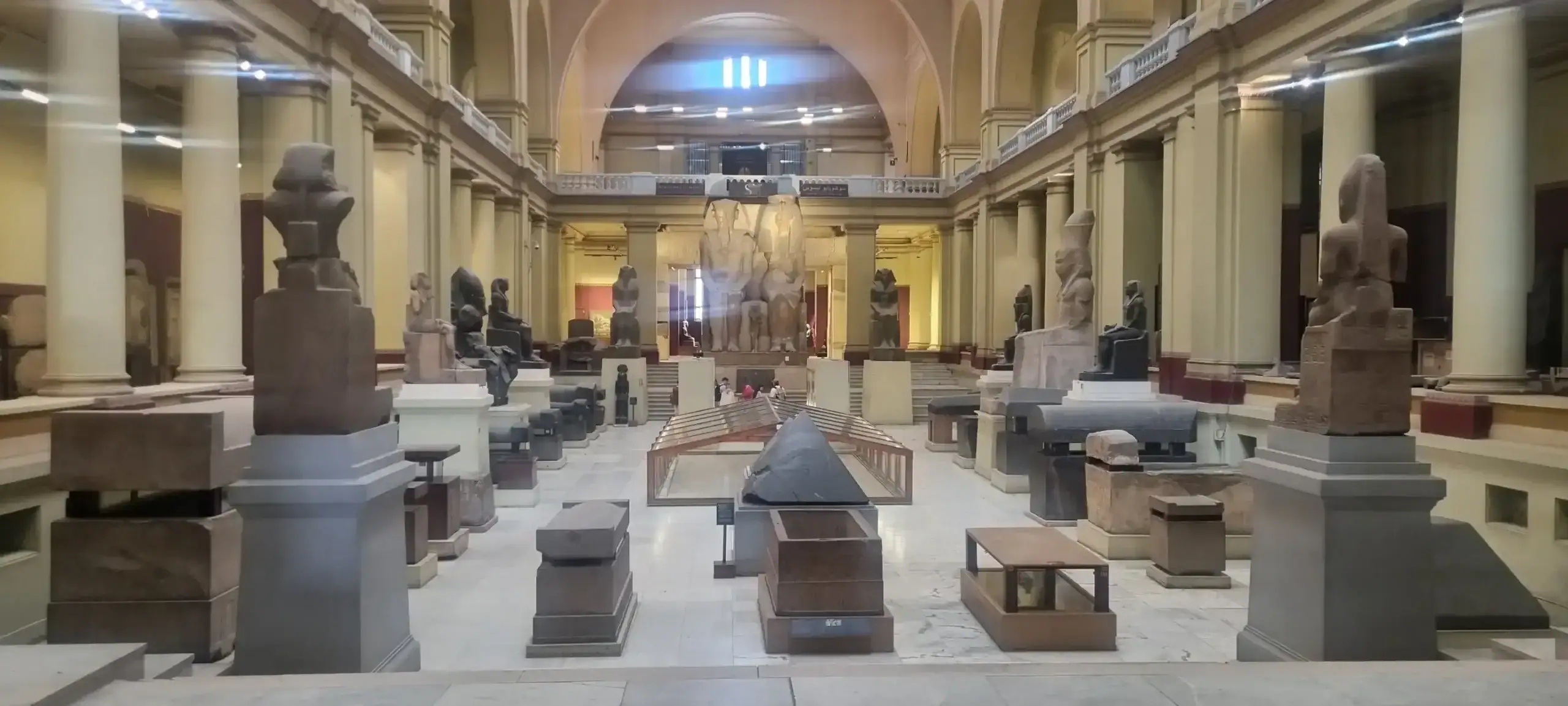
Standing in the heart of Downtown Cairo on Tahrir Square, the Egyptian Museum (Tahrir)—officially known as the Museum of Egyptian Antiquities—is a global cultural treasure and the birth land of modern Egyptology. Built at the turn of the 20th century to house the country’s rapidly accumulating archaeological discoveries, this iconic salmon-pink neoclassical building remains the world’s most famous sanctuary for pharaonic history.
With a massive collection exceeding 170,000 artifacts spanning more than 5,000 years—from the Predynastic Period through the Greco-Roman Era—the Cairo museum is much more than a display gallery; it is a living monument to human civilization. Even as companion institutions like the Grand Egyptian Museum (GEM) and the National Museum of Egyptian Civilization (NMEC) open their doors, the original Tahrir museum retains an irreplaceable, classic charm. Its grand naturally-lit halls, vaulted ceilings, and wooden display cases offer an authentic 19th-century atmosphere found nowhere else in the world.
| Detail | Information |
| Official Name | The Museum of Egyptian Antiquities (Al-Matḥaf al-Miṣrī) |
| Common Names | Egyptian Museum (Tahrir), Cairo Museum, Tahrir Museum |
| Location | Tahrir Square, Downtown Cairo, Egypt |
| Established / Opened | Founded 1835; Tahrir museum building opened November 15, 1902 |
| Architectural Style | Neoclassical (Designed by Marcel Dourgnon) |
| Total Artifacts | 170,000+ items on display and in storage |
| Site Hours | 9:00 AM – 5:00 PM (Daily; ticketing counter closes at 4:00 PM) |
| Best Time to Visit | October – April (Mornings or late afternoons) |
| Significance | First national museum in the Middle East; largest pharaonic collection worldwide |
Historical Timeline
1835 — First Antiquities Department
1858 — Boulaq Museum Opens
1889 — Relocation to Giza Palace
1897 — Foundation Stone at Tahrir
1902 — Grand Opening
1922 — Tutankhamun Discovery
2011 — Revolution Protection & Restoration
2021– Present — Modern Transformation
Historical Background
Historical Background & Timeline
The history of the Egyptian Museum (Tahrir) spans nearly two centuries and reflects Egypt’s commitment to preserving its ancient heritage. The country’s first antiquities museum was established near Ezbekieh Garden in 1835, but political instability and artifact losses led to several relocations.
In 1858, French Egyptologist Auguste Mariette founded the Boulaq Museum, which became the center of Egypt’s growing antiquities collection. After the museum was damaged by a major Nile flood in 1878 and quickly became overcrowded, the collection was temporarily moved to Khedive Ismail’s Giza Palace in 1889.
To create a permanent home, construction of the current museum on Tahrir Square began in 1897. Designed by French architect Marcel Dourgnon, the elegant Neoclassical building officially opened on 15 November 1902 after thousands of artifacts were transported from Giza in one of the largest museum relocations in history. Today, the Egyptian Museum Tahrir remains one of the world’s most important museums dedicated to ancient Egyptian civilization.

Explore the Wonders of Ancient Egypt
Book your visit to the Egyptian Museum (Tahrir) and explore one of the world’s most iconic ancient landmarks.
What Makes It Extraordinary
What Makes the Egyptian Museum (Tahrir) Extraordinary
01
Unrivaled Collection of Ancient Egyptian Treasures
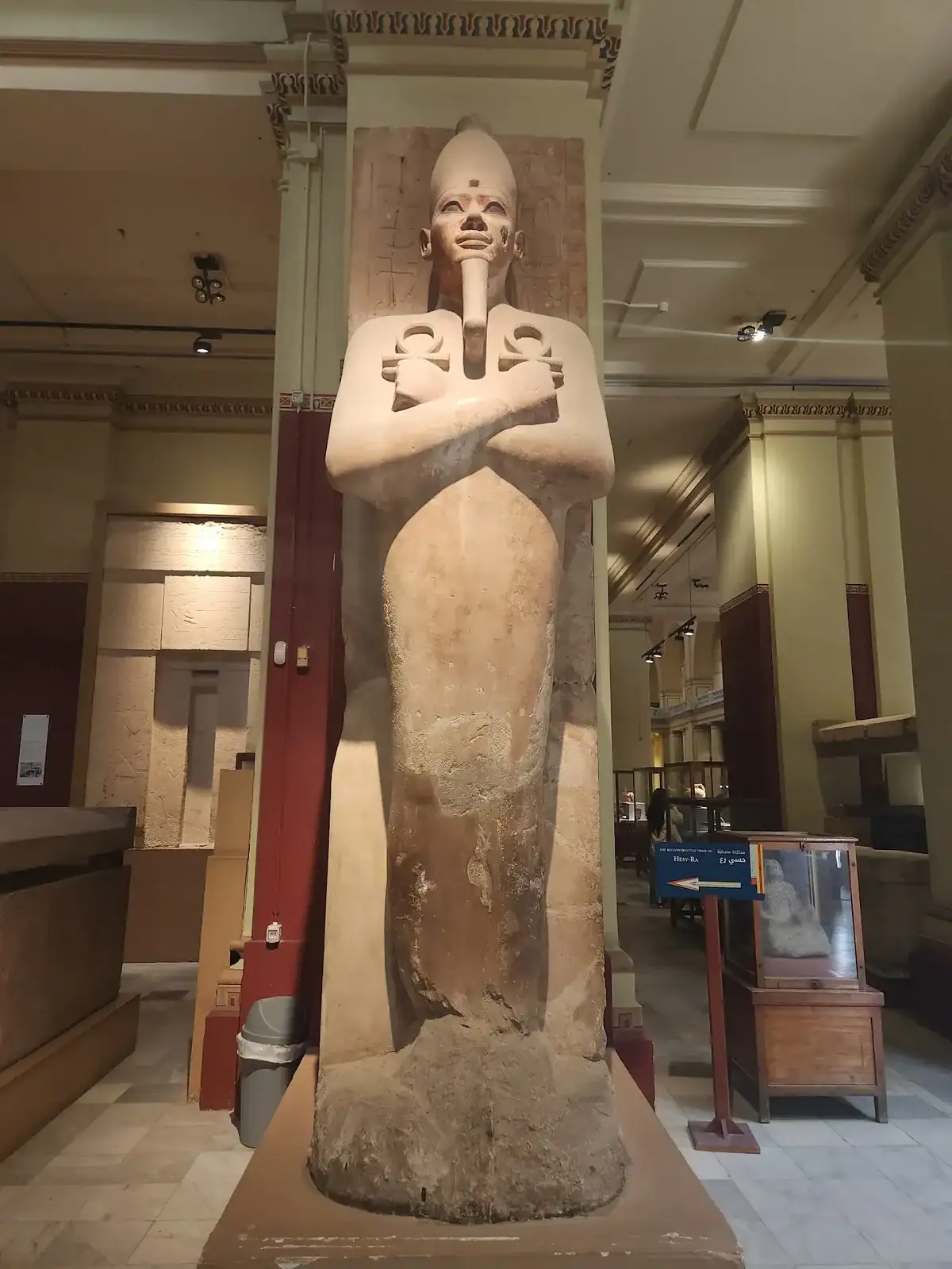
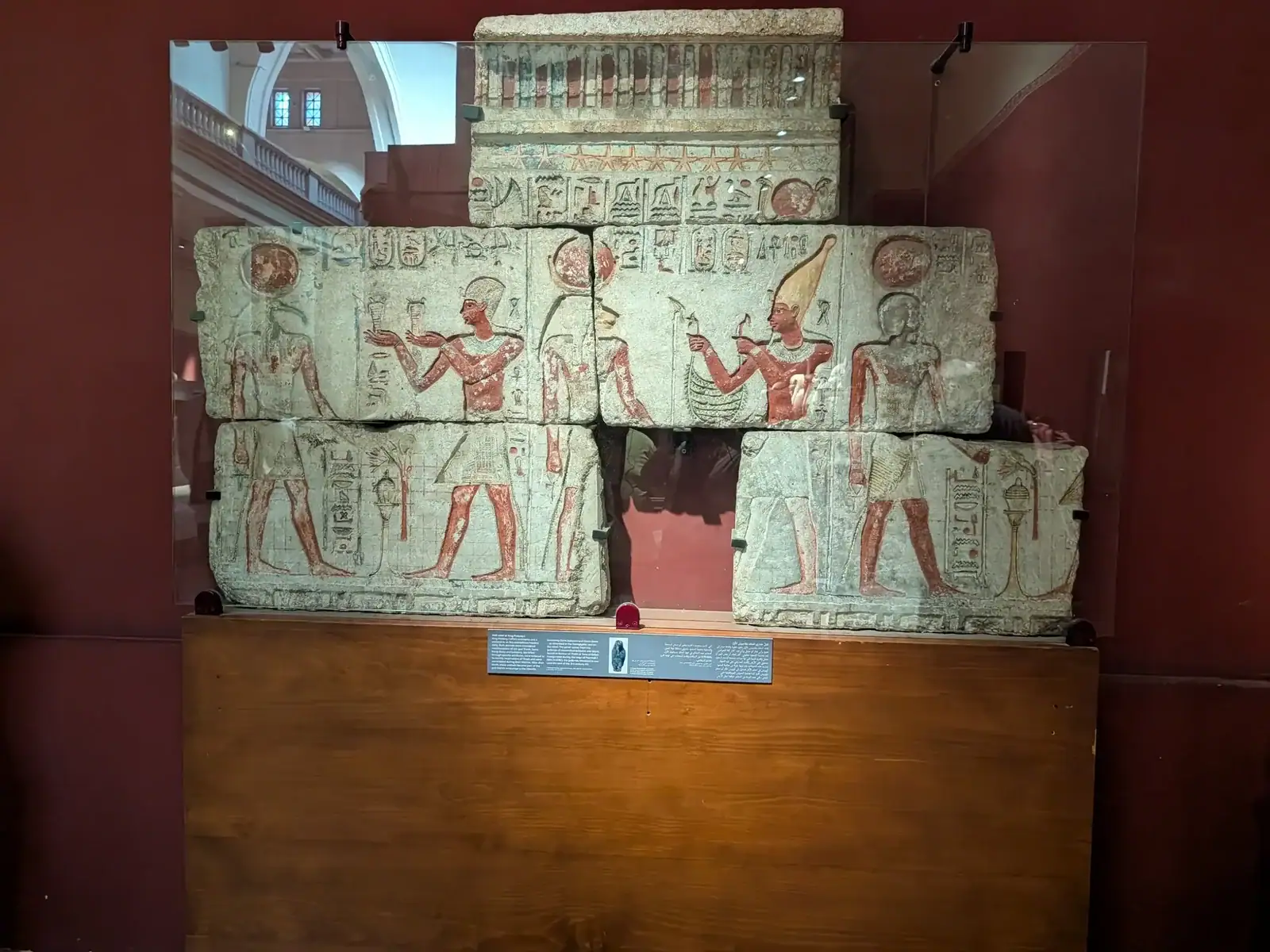
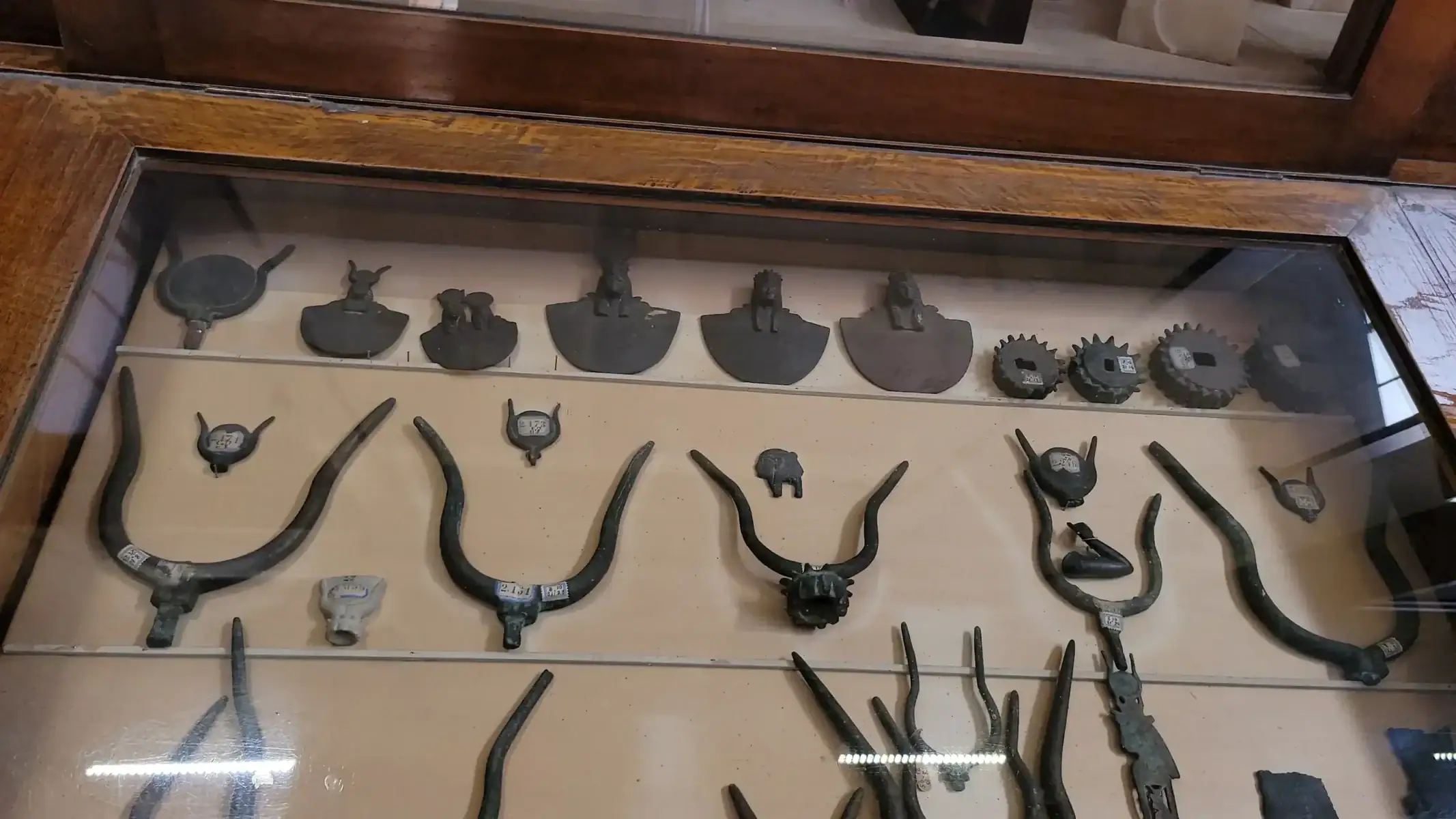
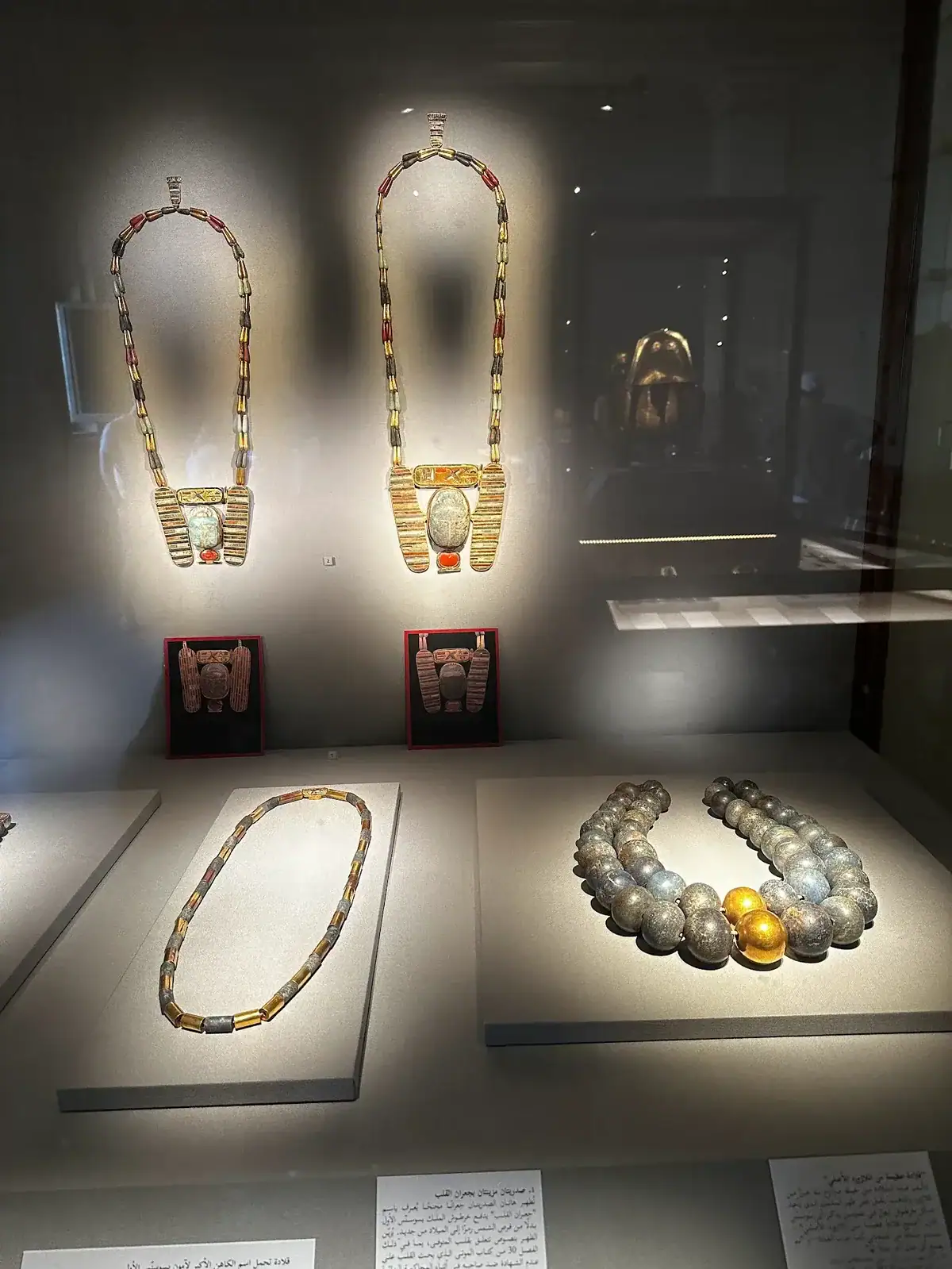
The Egyptian Museum (Tahrir) houses one of the world's largest collections of authentic Egyptian antiquities. From colossal pharaoh statues and richly decorated sarcophagi to gold jewelry, papyri, and everyday objects, its galleries offer an unmatched concentration of ancient treasures.
02
Historic Museum Architecture
Opened in 1902, the museum's elegant Neoclassical building is a landmark in its own right. Original wooden display cases, vaulted ceilings, and grand halls preserve the atmosphere of the early days of Egyptology.
03
Journey Through 5,000 Years of History
The museum's galleries are arranged chronologically, allowing visitors to trace the evolution of ancient Egyptian civilization from the Old Kingdom through the Greco-Roman period, showcasing changes in art, religion, and royal culture.
04
Home to Legendary Archaeological Discoveries
For more than a century, the museum has safeguarded many of Egypt's greatest excavation finds, including treasures from the Valley of the Kings, royal tombs, and temples, making it one of the world's most significant centers of Egyptology.


What to See & Experience
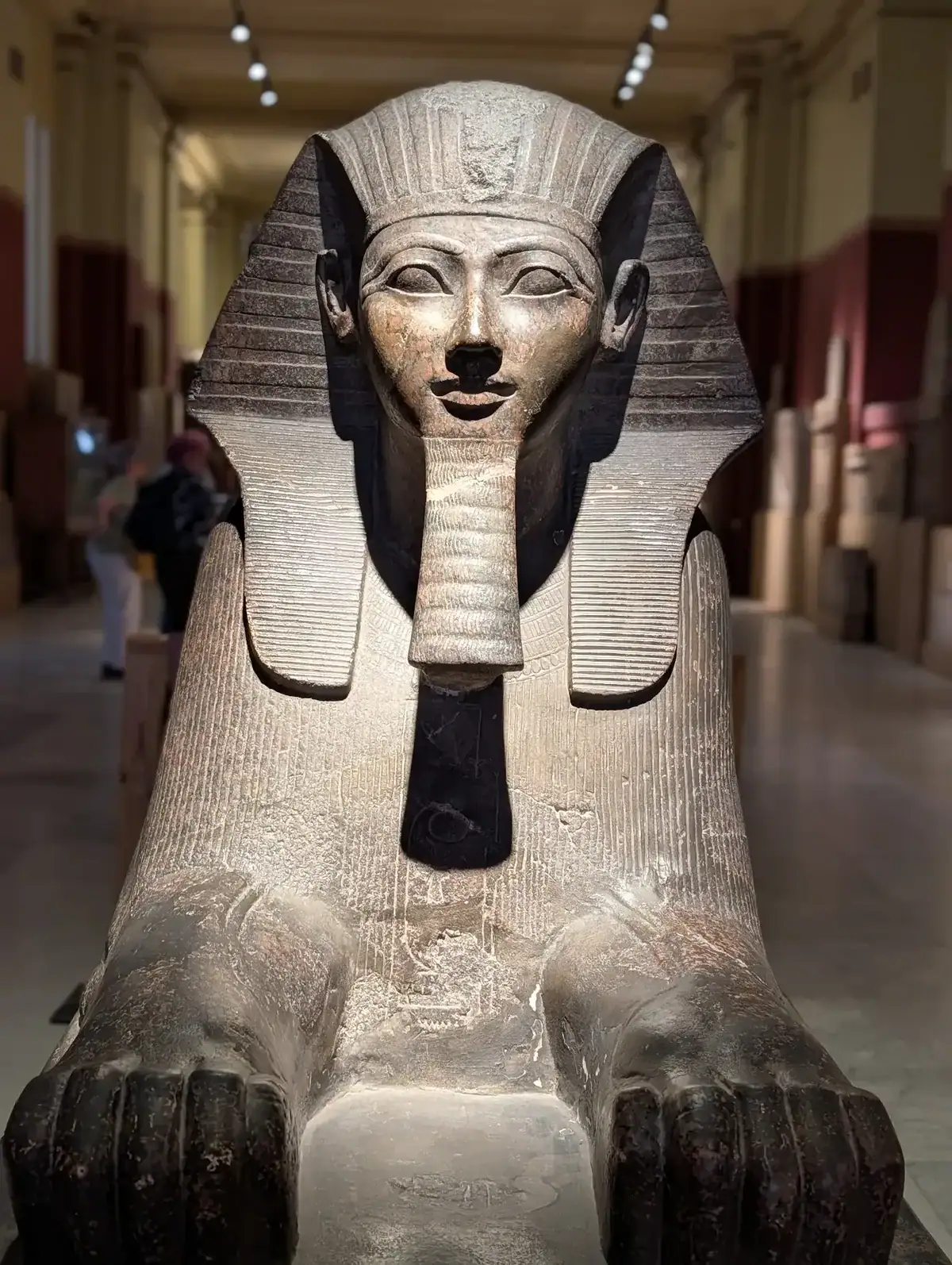
Explore the Great Sphinx Experience
The Egyptian Museum (Tahrir) houses thousands of artifacts, so focus on these must-see highlights during your visit.
- Narmer Palette – One of Egypt’s oldest historical monuments, celebrating the unification of Upper and Lower Egypt around 3100 BCE.
- Statue of Khafre – An iconic diorite statue of the builder of the Second Pyramid, protected by the falcon god Horus.
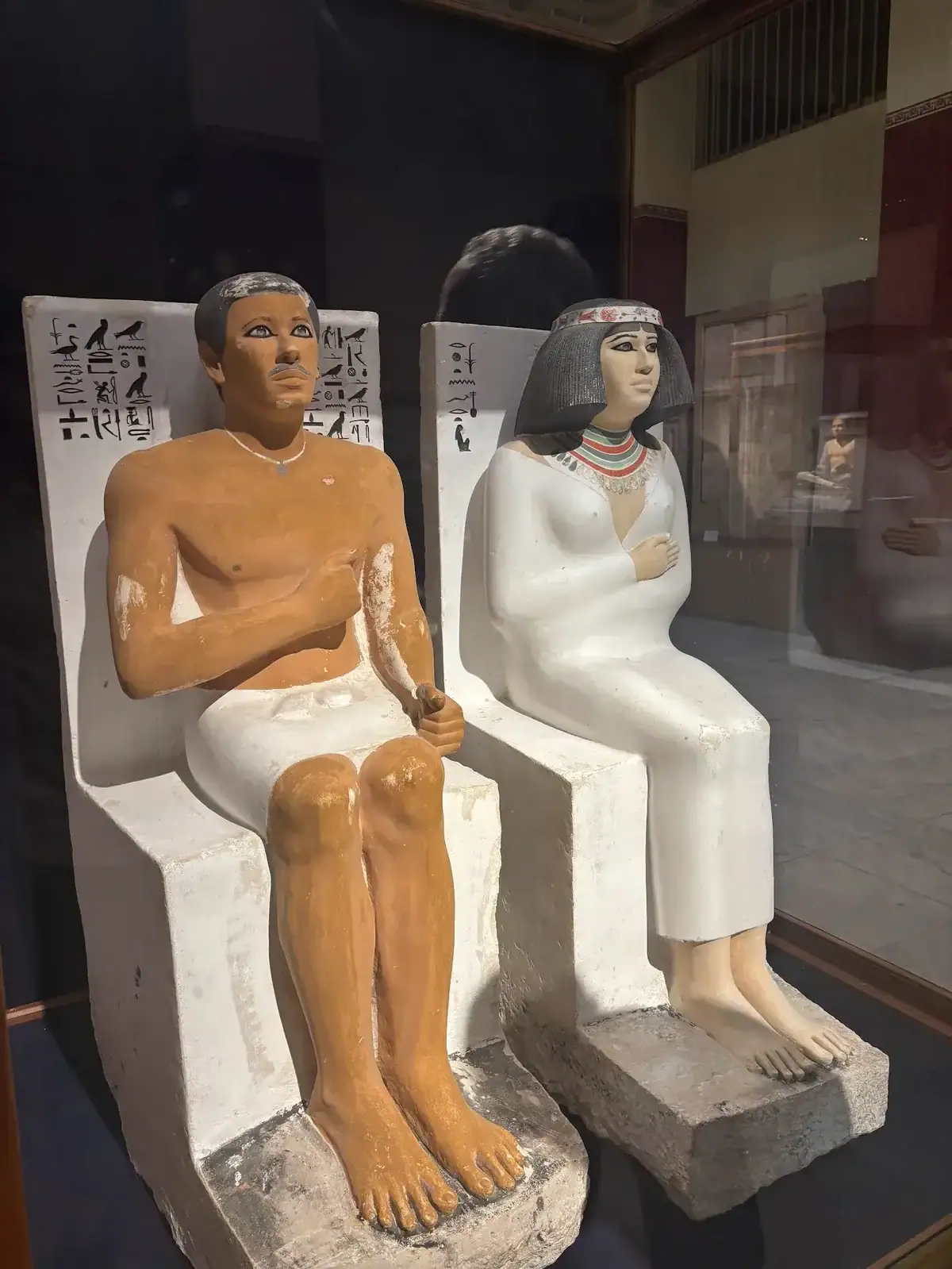
- Statue of Menkaure and Queen – A masterpiece of Old Kingdom royal sculpture with remarkably preserved detail.
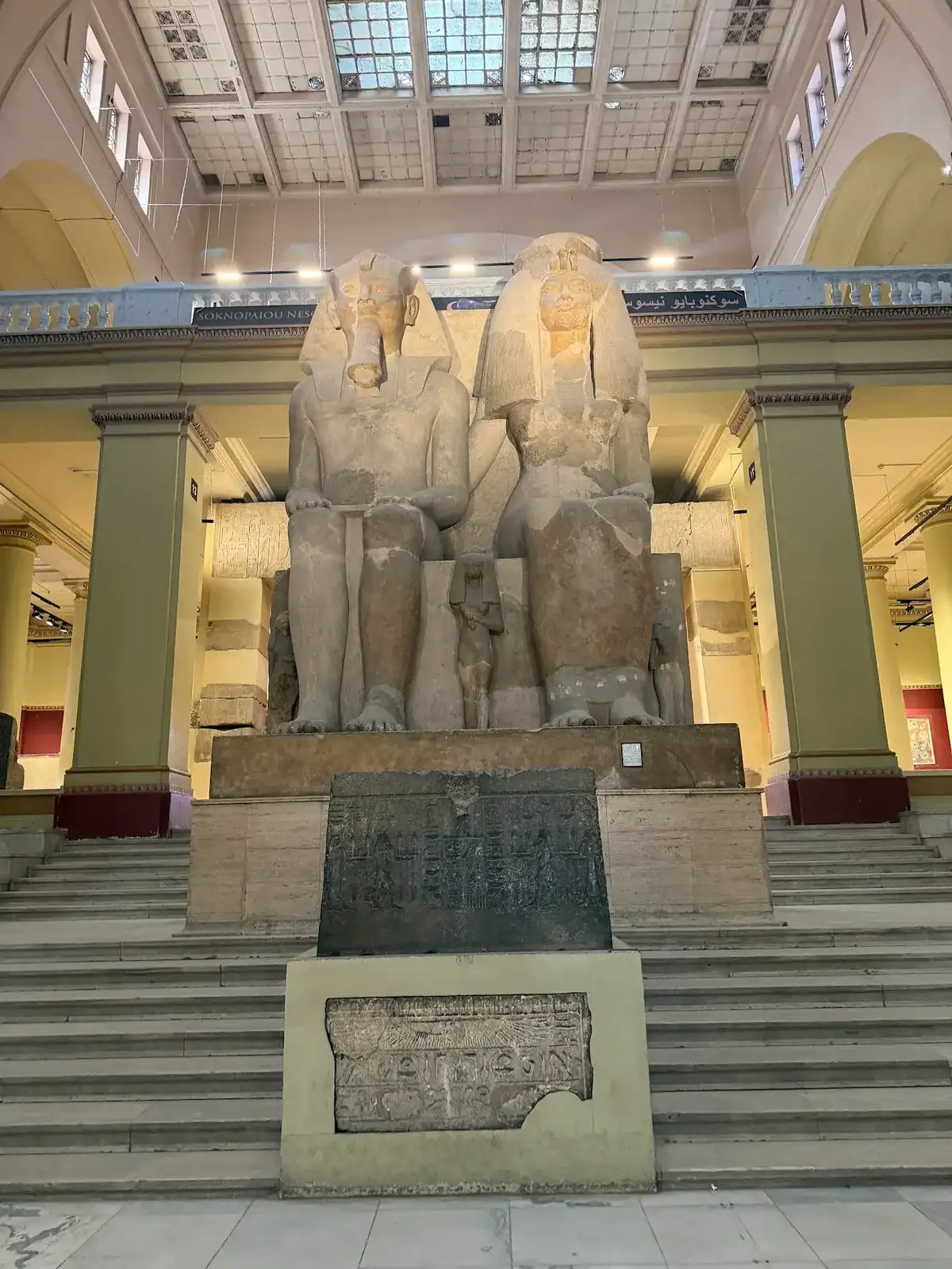
- Colossal Statues of Amenhotep III and Queen Tiye – Impressive limestone monuments dominating the museum’s central hall.
- Akhenaten Gallery – Discover distinctive Amarna-style statues of the revolutionary pharaoh Akhenaten.
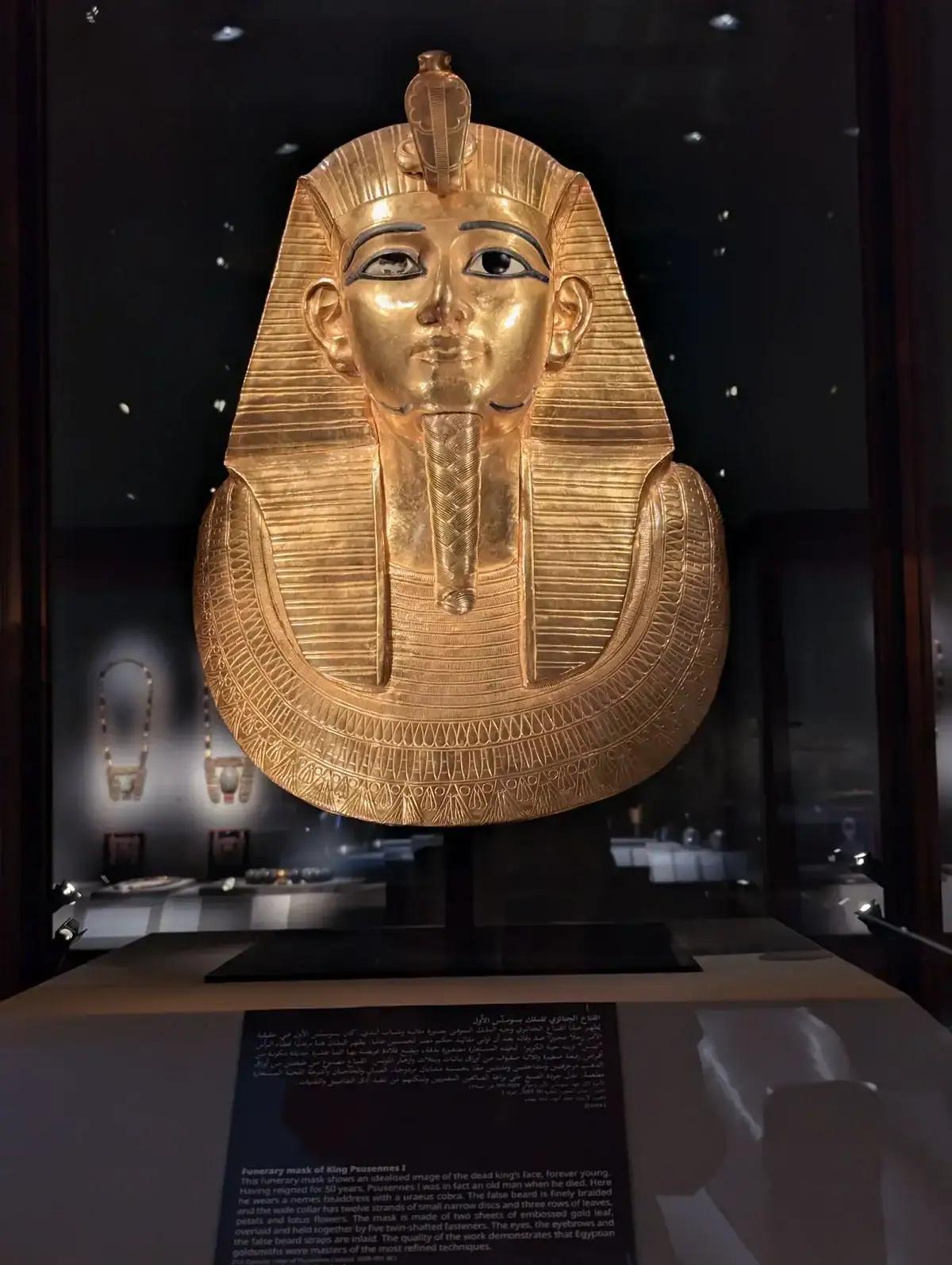
- Royal Treasures of Tanis – Gold masks, silver coffins, jewelry, and royal burial objects from Egypt’s Third Intermediate Period.
- Yuya and Thuya Collection – Beautifully preserved coffins, furniture, and funerary equipment belonging to Tutankhamun’s ancestors.
- Tutankhamun Collection – View famous treasures associated with the young king, with selected masterpieces remaining at the museum.
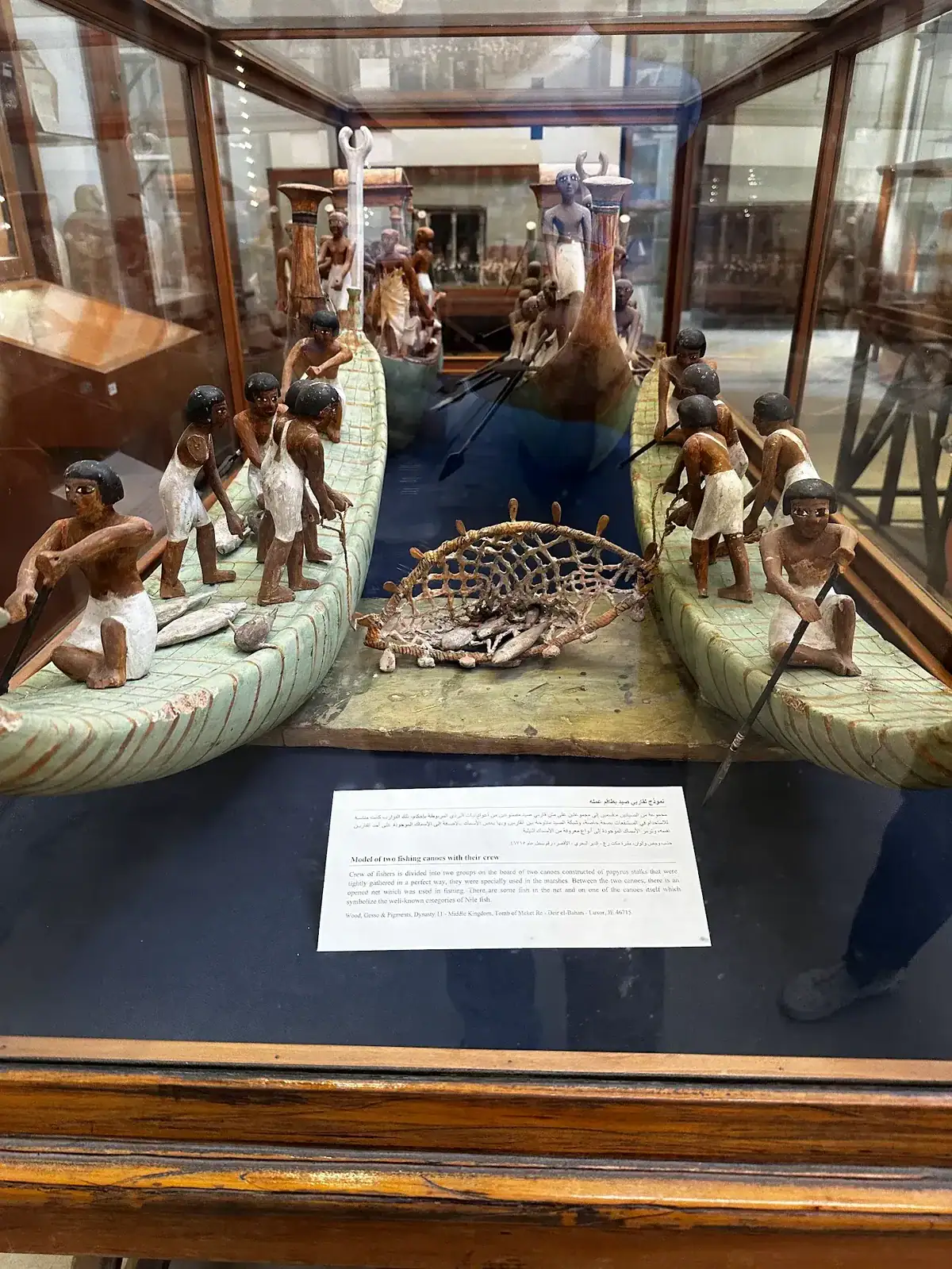
- Meketre Wooden Models – Detailed miniature scenes depicting daily life, farming, workshops, and Nile travel during the Middle Kingdom.
- Fayum Mummy Portraits – Remarkably realistic Greco-Roman portraits combining Roman artistic style with Egyptian burial traditions.
Why Visit
Cultural & Historical Significance
Visiting the Egyptian Museum Tahrir is essential for understanding the foundations of world history, art, and archaeology.
Why Tahrir Remains Unrivaled: While newer museums offer state-of-the-art interactive displays, the Tahrir museum represents the soul of Egyptology. Its walls have witnessed the birth of modern archaeology and the global fascination with ancient Egypt.
Anchor of Egyptian Identity: Located on Tahrir (“Liberation”) Square, the museum stands as a national symbol of pride and resilience, reflecting Egypt’s passage from an ancient civilization to a modern nation.
Evolution of Art & Writing: The artifacts housed here demonstrate the origin of written language (hieroglyphs, hieratic, demotic), formal artistic canons, advanced stonemasonry, metallurgy, and glassmaking.
Spiritual & Funerary Insight: By examining the coffins, amulets, and Canopic jars, visitors gain deep insight into how ancient Egyptians viewed life, death, morality, and the eternal afterlife.
Living Scientific Resource: The museum continues to house extensive research laboratories, conservation centers, and archives utilized by Egyptologists and scientists worldwide.

Explore the Wonders of Ancient Egypt
Book your visit to the Egyptian Museum (Tahrir) and explore one of the world’s most iconic ancient landmarks.
Visitor Information
Location & Access
Location & Access: Located on the northern side of Tahrir Square in Downtown Cairo, the museum is easily reached via Sadat Metro Station (Lines 1 & 2) or by taxi and ride-hailing services such as Uber and Careem.
Ticket Pricing
| Ticket Type | Foreign Adult | Foreign Student | Egyptian / Arab Adult |
| Standard Entry Ticket | EGP 450 (~$9 USD) | EGP 225 (~$4.50 USD) | EGP 30 |
| Photography Permit (Cameras) | Included (Mobile) / Fee for DSLR | Included (Mobile) | Free (Mobile) |
Essential Tips
- Visit in the morning to enjoy cooler temperatures and fewer crowds.
- Set aside enough time to explore the museum's main galleries.
- A licensed Egyptologist can help bring the exhibits and history to life.
- The museum covers two large floors with extensive galleries.
- Check current photography policies before taking pictures.
- Pair your visit with Tahrir Square, the Nile Corniche, or a Cairo city tour.
FAQs
Frequently Asked Questions About the Egyptian Museum (Tahrir)
Is the Tahrir Museum still open?
Yes. It remains fully open daily, housing over 100,000 pharaonic antiquities alongside new displays, even as companion museums open.
How long does a visit take?
2 to 3 hours is ideal for seeing both floors and all major highlights.
Do I need a tour guide?
Recommended. A guide helps you navigate thousands of items quickly and provides crucial historical context.
Is photography allowed?
Yes. Mobile photos are free and permitted throughout the museum. Flash and tripods are strictly prohibited.
When is the best time to visit?
At 9:00 AM opening or after 2:00 PM to avoid peak tour group crowds.
What should I wear?
Comfortable shoes and smart-casual clothing that covers shoulders and knees for comfort and respect.
Plan Your Visit
Ready to Step Inside Egypt's Royal History?
Book your cruise or tour package to ensure seamless entry, expert guidance, and the most meaningful experience at the last surviving Wonder of the Ancient World.