
Esna Lock
The Lock at a Glance
A Gateway on the Nile
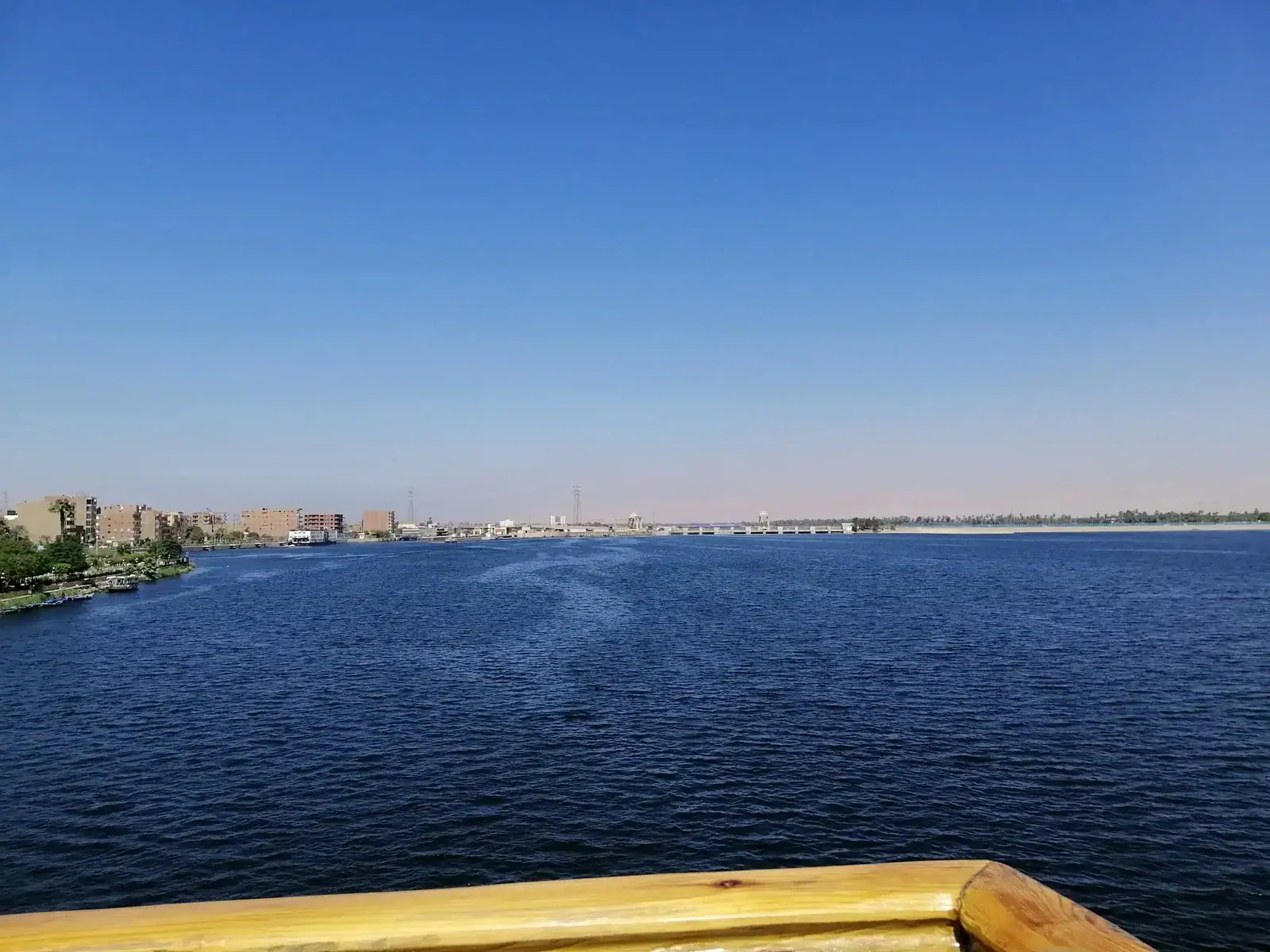
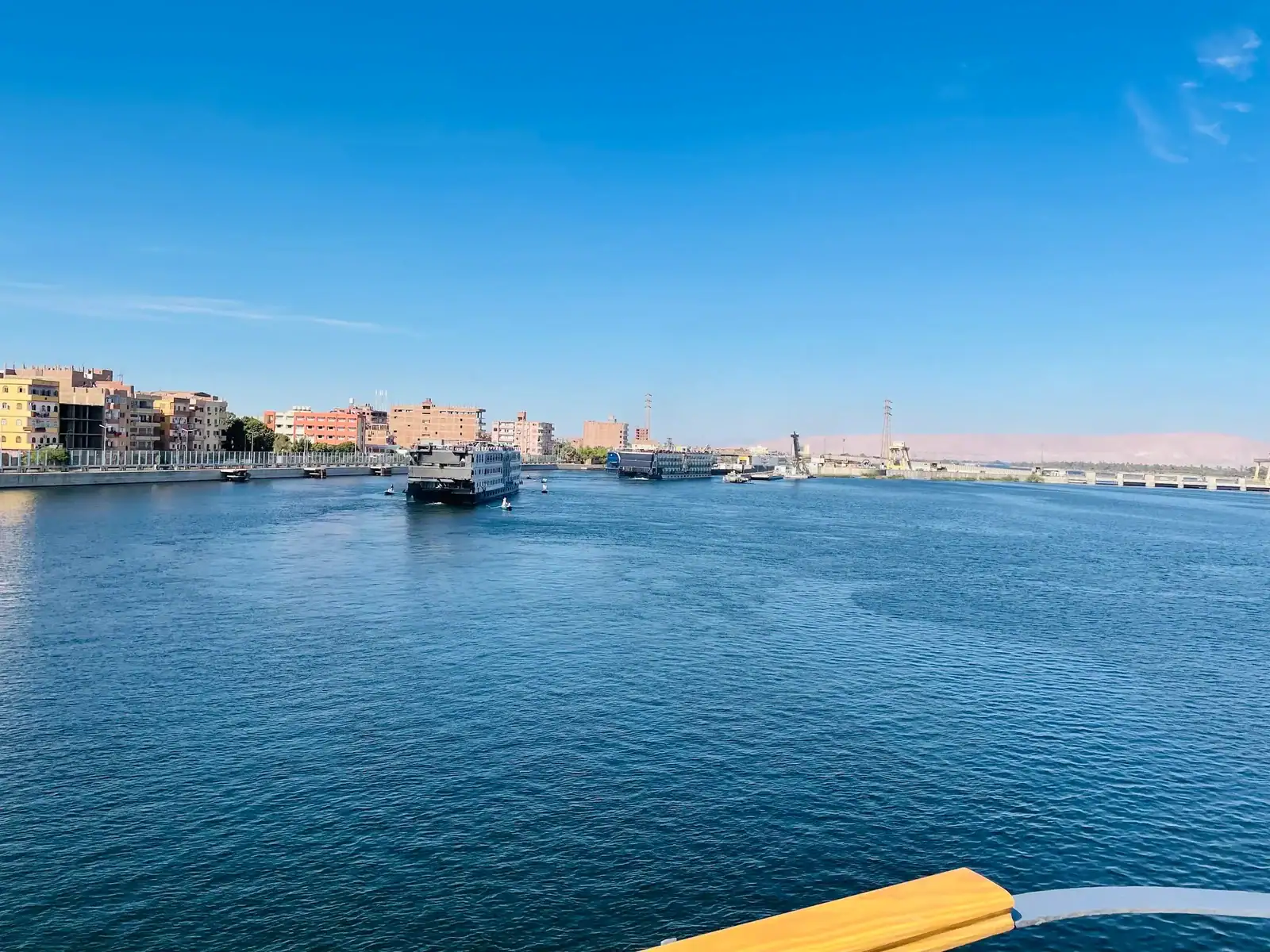
Positioned in Upper Egypt along the west bank of the Nile, Esna Lock serves as a critical hydraulic junction and navigation gateway connecting the historic cities of Luxor and Aswan. Every day, dozens of luxury cruisers, traditional dahabiyya sailboats, and cargo vessels maneuver through this vital system to reconcile the water elevation difference created by the Esna Barrage. Far more than a simple nautical checkpoint, crossing through the lock Esna is an unforgettable, interactive spectacle that combines hydraulic engineering with vibrant local Egyptian culture.
| Detail | Information |
| Official Name | Esna Lock & Barrage System (New Esna Lock) |
| Location | Esna, Luxor Governorate, Egypt (~55 km south of Luxor) |
| Primary Function | Nile River navigation, water level equalization, & irrigation control |
| Water Level Drop | ~8 to 10 meters (26–33 feet) |
| Lock Dimensions | 221 meters long, 17 meters wide, 14.6 meters deep |
| Operating Hours | 24 Hours (Subject to river control schedules) |
| Best Way to Experience | Nile cruise Esna lock passage (Luxor to Aswan or vice versa) |
| Key Attractions Nearby | Temple of Khnum, Wekalet Al-Geddawy, Al-Qisariyya Souq |
Historical Timeline
Ptolemaic/Roman Era — Esna operates as the strategic river town Latopolis.
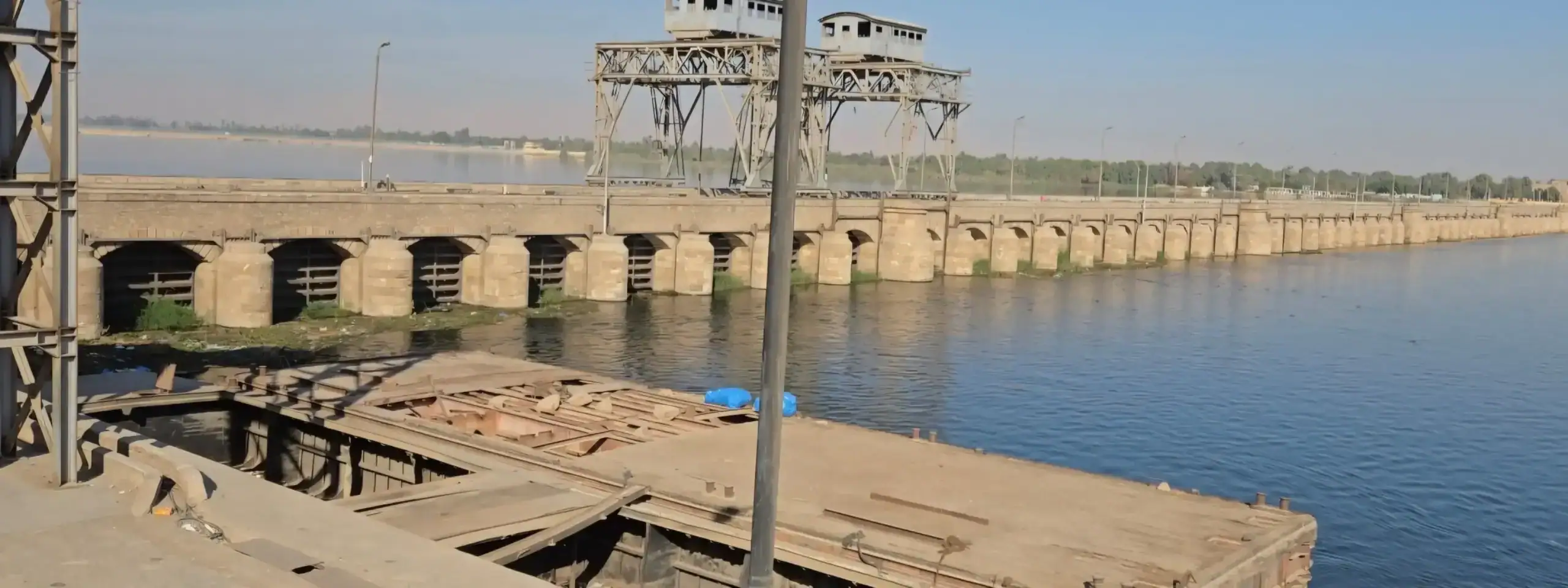
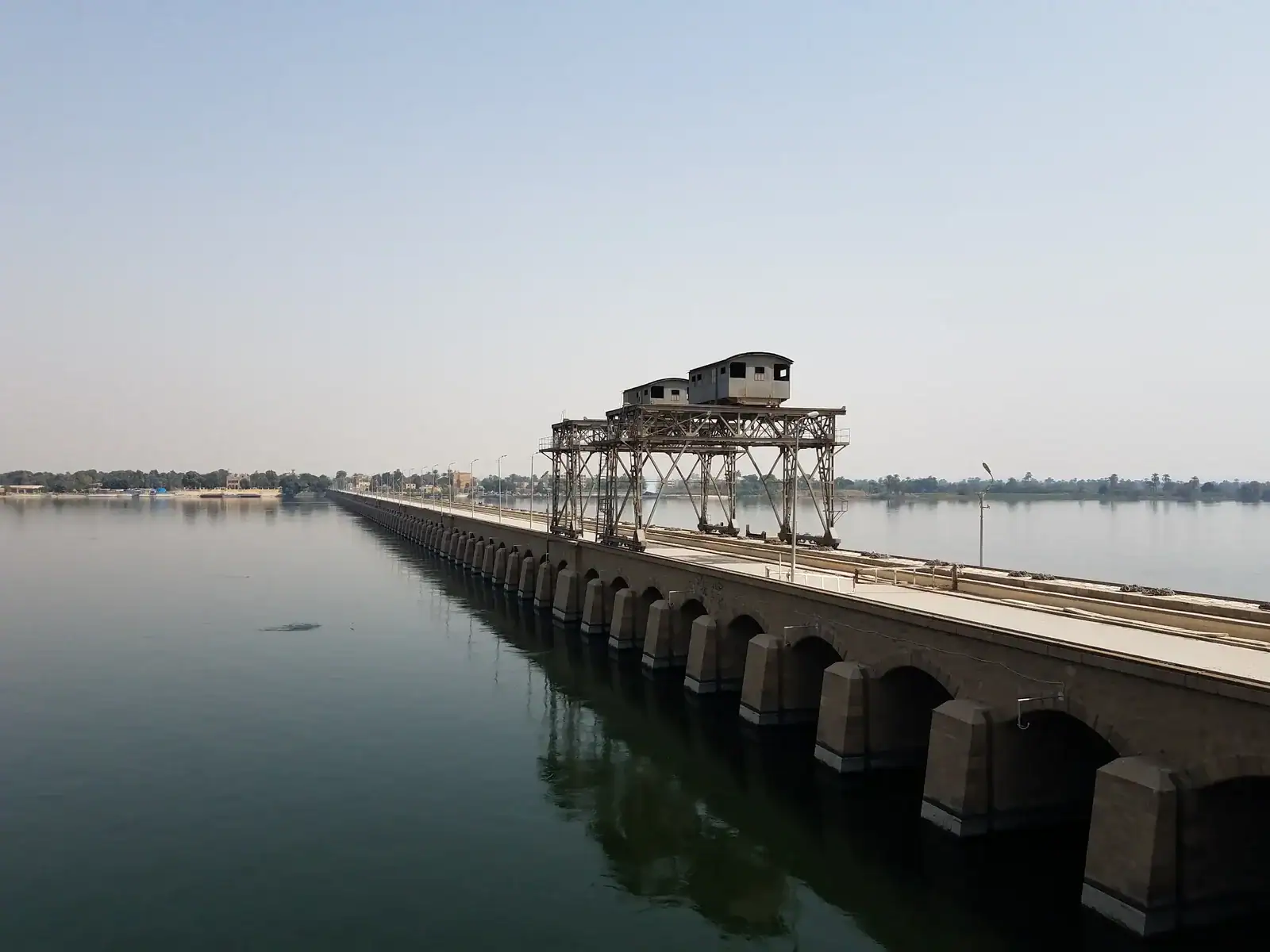
1906 – 1908 CE — Old Esna Lock and Barrage were built under Khedive Abbas Hilmi II to manage Nile floods and irrigation.
1989 – 1990 — Construction begins on the New Esna Barrage and modern hydraulic lock system.
January 1, 1996 — New Esna Lock officially opens, featuring double chambers and advanced hydraulic technology.
Present Day — Handles over 2,800 cruise and transport ships per year on the Luxor-Aswan route.
Historical Background
Historical Background & Timeline
The history of controlling the Nile’s flow near Esna lock Egypt dates back thousands of years. Historically known as Latopolis during the Ptolemaic era, Esna was a crucial trading hub where desert caravans met riverboats transporting goods throughout Nubia and Upper Egypt.
During the British colonial period in the early 20th century, engineers recognized the necessity of regulating the seasonal Nile floods to preserve agricultural water and stabilize river navigation. The original Low Dam and Old Esna Lock were constructed in 1908 under Khedive Abbas Hilmi II. However, as modern river transportation expanded and massive multi-deck luxury cruise ships were introduced, the old lock struggled to handle the traffic volume.
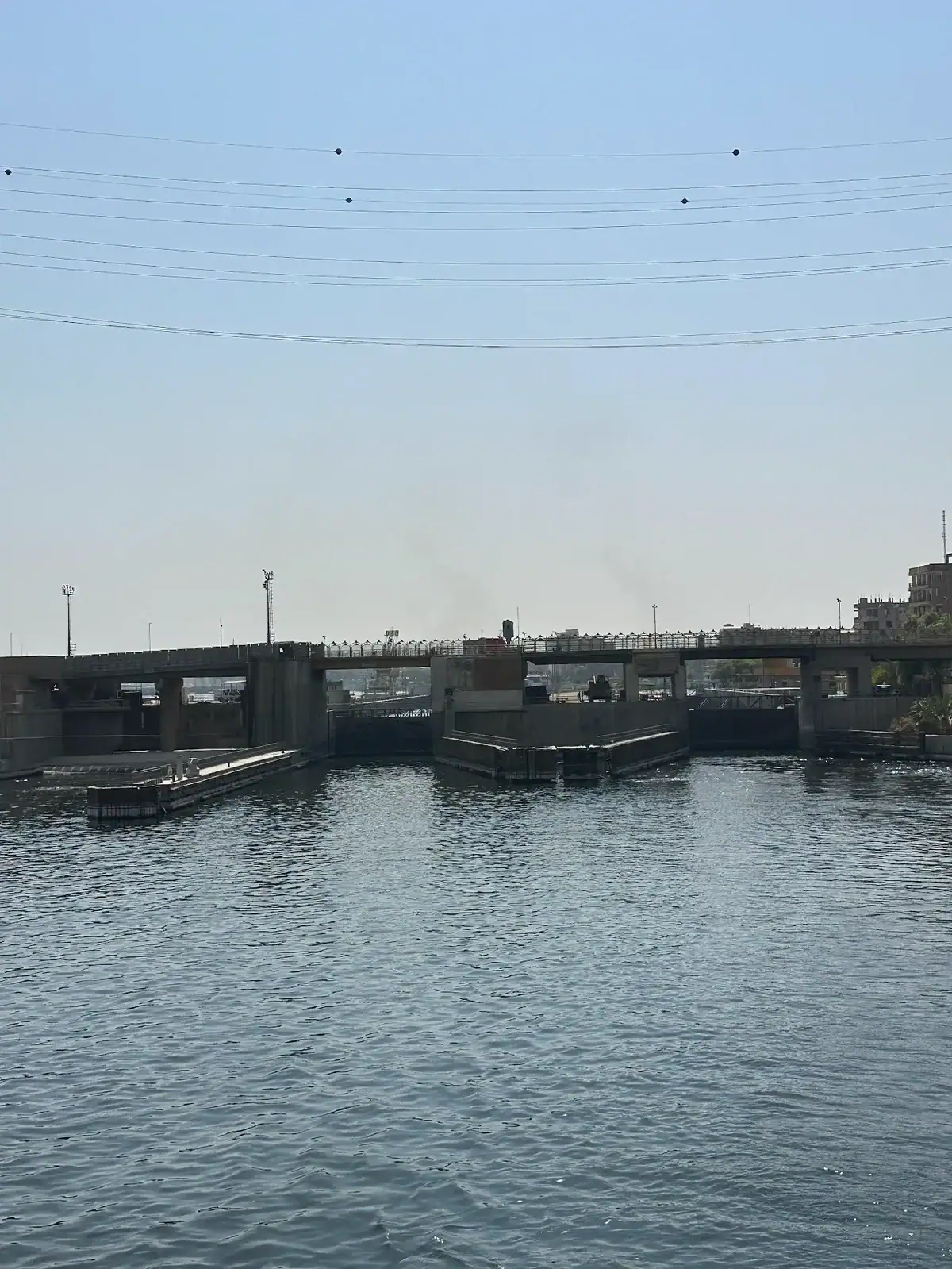
To resolve these bottlenecks and generate hydroelectric energy, the Egyptian government constructed the New Esna Barrage and double-chamber lock system, which was officially completed and reopened in 1996.

Explore the Wonders of Ancient Egypt
Book your visit to the Esna Lock and explore one of the world’s most iconic ancient landmarks.
What Makes It Extraordinary
WWhat Makes Esna Lock Extraordinary
01
Hydraulic Engineering Marvel
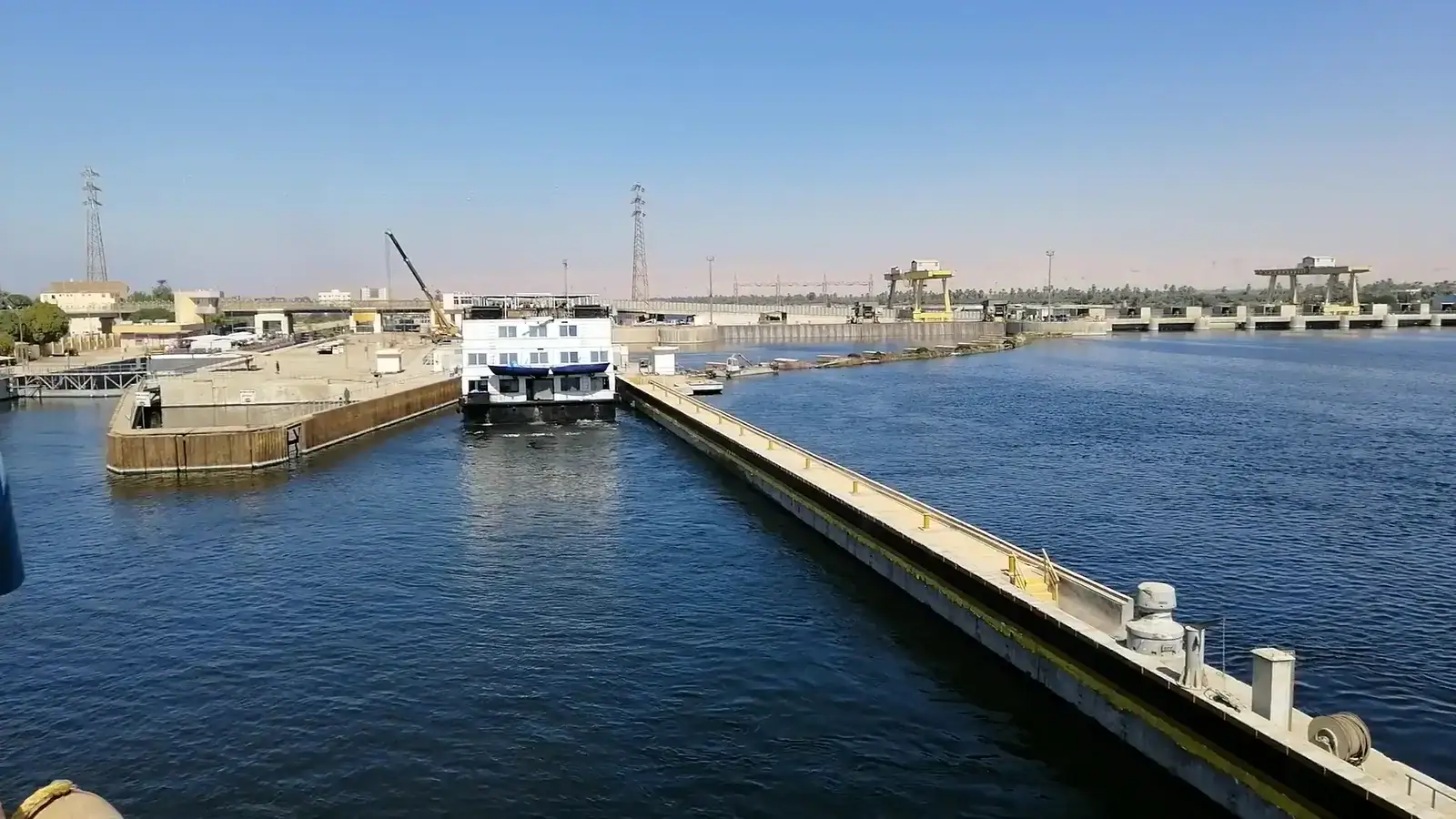
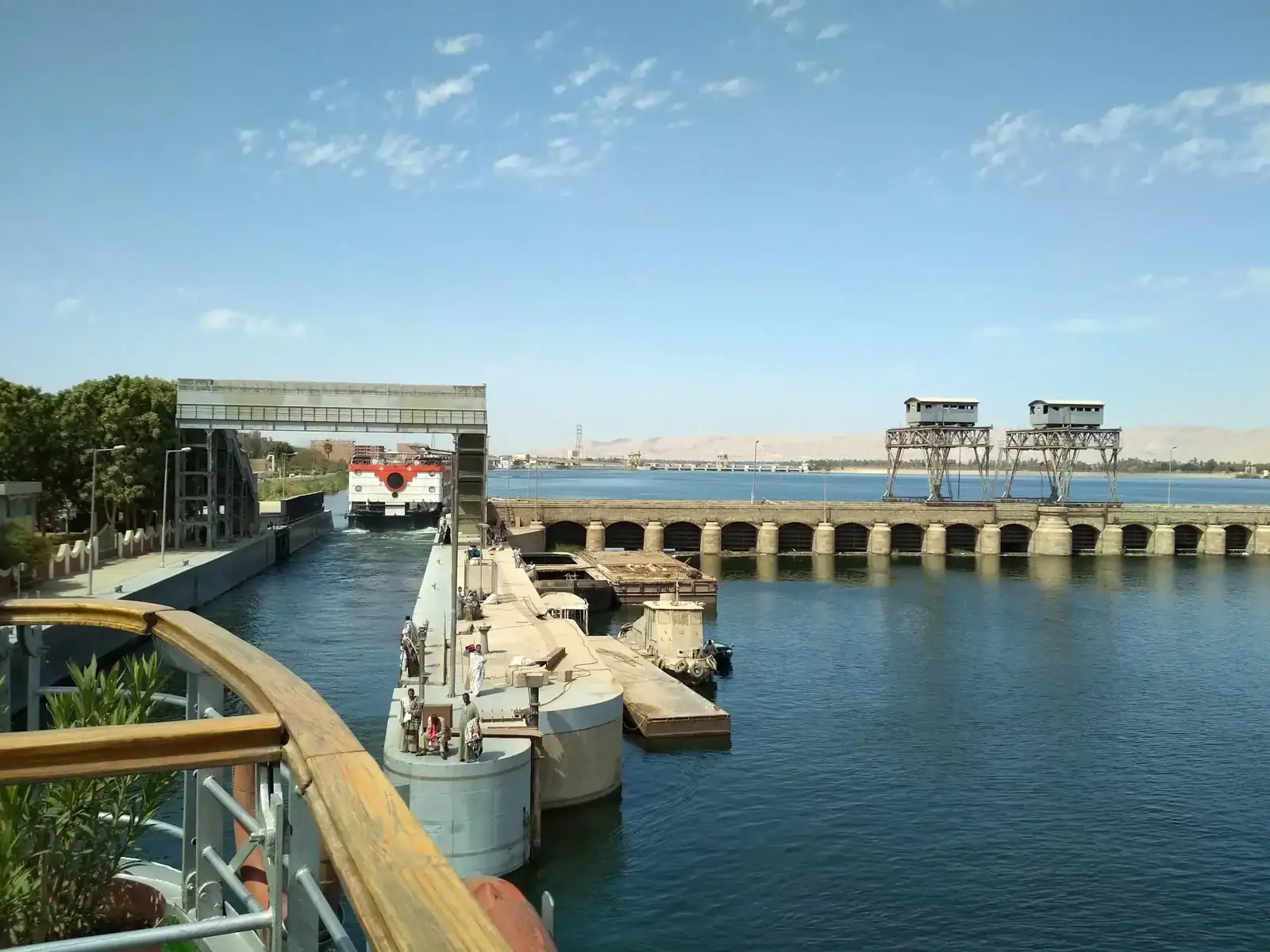
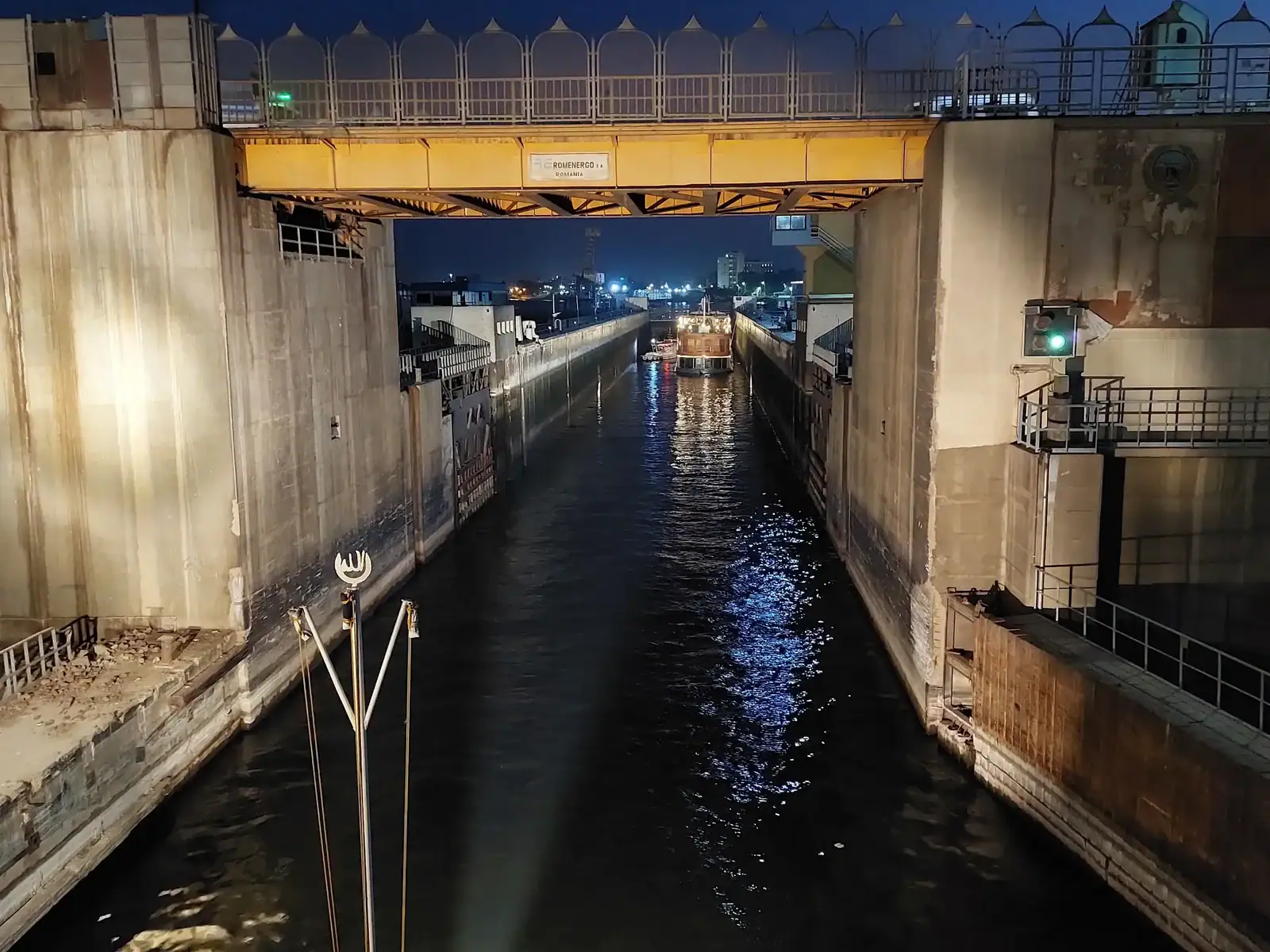
The Esna lock Egypt system acts as a massive mechanical water elevator. Utilizing diaphragm walls sunk 40 meters deep, it seamlessly offsets an 8-to-10-meter water drop. Ships enter a 221-meter concrete chamber, automatic sluice gates seal the perimeter, and millions of gallons of water are flooded or drained in approximately 6 to 15 minutes to match the river level ahead.
02
The Floating Market of the Nile
Unlike quiet industrial lock gates across the globe, Esna lock Nile features one of the most animated trade encounters on Earth. Local merchants row small wooden boats right up to moving cruise ships, pitching scarves, table runners, and traditional Egyptian galabeyas. They throw wrapped goods up three or four deck levels with incredible accuracy, negotiating prices with passengers shouting down from above.
03
Crucial Lifeline of Nile Navigation
Without this structure, modern river cruising between Luxor and Aswan would be impossible. The lock bridges two geographic realms of Upper Egypt, balancing agricultural water storage, electrical generation via the barrage, and smooth passage for over 2,800 commercial and tourist vessels every year.
04
Unmatched Up-Close Perspective
Watching a huge 4-story luxury cruise vessel glide into a lock chamber only 17 meters wide requires surgical nautical precision. Standing on the top sundeck offers an intimate vantage point where passengers can practically touch the concrete walls, watch the heavy iron gates swing shut, and feel the physical rise or drop of the ship beneath their feet.

What to See & Experience
Explore the Esna Lock Experience
Passing through or visiting lock Esna delivers an engaging blend of scenic relaxation, cultural entertainment, and historic sightseeing.
Sundeck Lock Watching: Position yourself on the top deck of your ship as it enters the lock. Watching the water level rapidly shift inside the concrete canyon while captain and crew coordinate navigation offers fantastic photography and video opportunities.
Interactive Vendor Haggling: Engage with the boat vendors below. If a vendor tosses a bag up to you, you can inspect the handicraft, barter for a price, toss the money down in the same bag, or simply throw the bag back if you choose not to buy.
Temple of Khnum: Located just a short distance from the riverbank, this ancient Greco-Roman temple sits in an excavated pit 9 meters below modern street level. Famous for its vibrant astronomical ceilings and soaring hypostyle hall columns, it is dedicated to the ram-headed creator god Khnum.
Wekalet Al-Geddawy: Explore a beautifully preserved 18th-century Ottoman caravanserai near the temple, historical evidence of Esna’s role as a major regional trade hub for African caravans.
Al-Qisariyya Traditional Souq: Stroll through Esna’s historic market street stretching parallel to the Nile, lined with local spices, textiles, hand-woven fabrics, and traditional wooden mashrabiya lattice architecture.
Why Visit
Cultural & Historical Significance
Living Cultural Exchange: The interaction between passengers on cruise decks and merchants in rowboats at Esna Lock is a celebrated piece of modern Nile folklore. It keeps traditional merchant culture alive while offering travelers an authentic, energetic taste of Egyptian hospitality and humor.
Architectural Continuity: Esna represents a rare continuum of Egyptian history. Within a 1-mile radius, visitors can experience Ptolemaic-Roman religious architecture at the Temple of Khnum, 18th-century Ottoman commercial trade centers at Wekalet Al-Geddawy, early 20th-century British-era irrigation works, and late 20th-century engineering at the modern barrage.
Modern Infrastructure Marvel: The lock system illustrates how modern Egypt manages its most vital natural resource—the Nile River. By regulating flow levels for agriculture and enabling steady, eco-friendly river transportation, it serves as a cornerstone of Upper Egypt’s economic and tourism vitality.

Explore the Wonders of Ancient Egypt
Book your visit to the Esna Lock and explore one of the world’s most iconic ancient landmarks.
Visitor Information
Location & Access
The Esna Lock is located in the city of Esna, Luxor Governorate, Upper Egypt. It lies approximately 55 km (34 miles) south of Luxor and 160 km (99 miles) north of Aswan.
Getting There
By Nile Cruise (Recommended): Included automatically on virtually all 3-, 4-, or 7-night Nile cruise Esna lock itineraries between Luxor and Aswan.
Ticket Pricing
| Category | Information |
| Lock Operating Hours | 24 Hours Daily (Traffic managed by river control tower) |
| Lock Ticket Price | Included in standard Nile Cruise passage (No separate ticket required for cruisers) |
| Temple of Khnum Ticket | ~EGP 200–300 (Subject to official Ministry changes) |
| Queue Duration | 20 minutes to several hours depending on river vessel traffic |
Essential Tips
- Arrive before entering the lock for the best views and photos.
- Keep small EGP, USD, or EUR notes for purchases from floating vendors.
- Wear a hat, sunglasses, and sunscreen during daytime crossings.
- Cruise ships may queue before entering, especially in peak season.
- Capture the lock operation, passing boats, and river scenery.
- Watch the ship rise or lower while taking in the lively Nile atmosphere.
FAQs
Frequently Asked Questions About the Esna Lock
Where is Esna Lock located?
It is in Esna, Egypt, about 55 km (34 miles) south of Luxor along the Nile River.
How long does the lock crossing take?
The lock process takes 20 to 60 minutes, though ships may wait a few hours in queue during peak travel seasons.
Do cruise passengers need a ticket?
No. Lock passage fees are included in your standard Nile cruise itinerary.
What is the floating market at Esna Lock?
Local vendors in rowboats tie up alongside cruise ships and toss scarves, clothing, and souvenirs up to passengers on the top deck to barter.
Why was the New Esna Lock built?
Opened in 1996, the dual-chamber lock replaced the smaller 1908 structure to handle larger modern cruise ships, manage river levels, and generate power.
When is the best time to cross?
Daytime crossings are best for photos and trading with boat vendors, though the lock operates 24/7.
Plan Your Visit
Ready to Step Inside Egypt's Royal History?
Book your cruise or tour package to ensure seamless entry, expert guidance, and the most meaningful experience at the last surviving Wonder of the Ancient World.