
Grand Egyptian Museum (GEM)
The Museum at a Glance
The World’s Largest Archaeological Museum
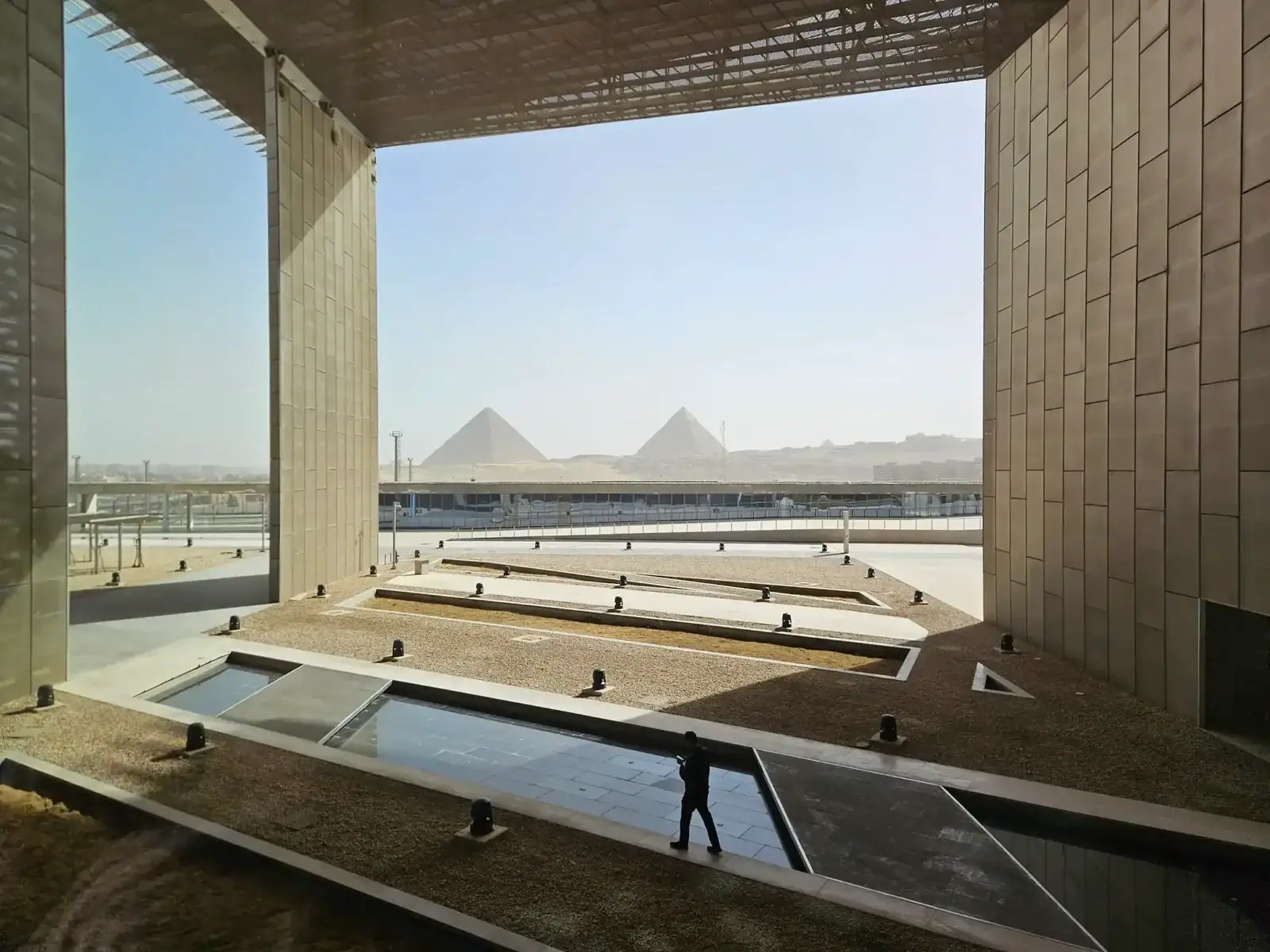
Rising dramatically from the desert landscape just two kilometers from the Giza Pyramids, the Grand Egyptian Museum (GEM)—also known as the new Egyptian museum or GEM Giza—is a structural marvel. Designed by Dublin-based Heneghan Peng Architects, this monumental complex covers 500,000 square meters, making it the largest museum in the world dedicated to a single human civilization.
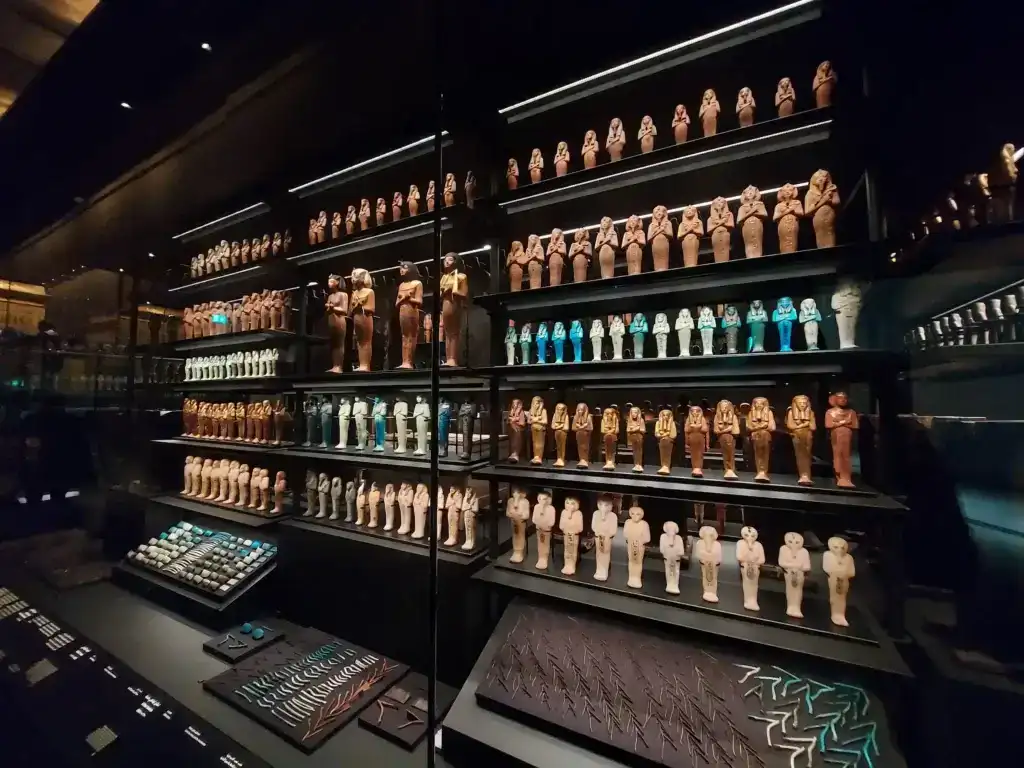
Housing over 100,000 priceless artifacts spanning 7,000 years of history, GEM Cairo serves as a crown jewel for global cultural heritage. From its towering translucent alabaster façade to its expansive view aligned directly with the Great Pyramids, the complex bridges ancient pharaonic ambition with state-of-the-art 21st-century architectural design. Most notably, it serves as the ultimate Tutankhamun museum, bringing together the legendary Boy King’s complete 5,000+ piece treasure collection under one roof for the very first time in human history.
| Detail | Information |
| Official Name | Grand Egyptian Museum (GEM; el-Matḥaf el-Maṣriyy el-Kebir) |
| Location | Kafr Nassar, Giza Governorate (~2 km from Giza Plateau, ~15 km from Tahrir Square) |
| Architectural Design | Heneghan Peng Architects (Ulster/Ireland) |
| Total Area | 500,000 m² (50 hectares) site; 167,000 m² built-up floor area |
| Key Attraction | Complete King Tutankhamun Collection (5,398 pieces in 7,500 m² gallery space) |
| Exhibit Count | 100,000+ artifacts spanning Predynastic to Greco-Roman eras |
| Site Hours | Daily: 9:00 AM – 6:00 PM (Extended until 9:00 PM Wed & Sat) |
| Best Time to Visit | October – April (early morning at 9:00 AM or evening sessions) |
Historical Timeline
1992: Government officially announces plans to construct a comprehensive new archaeological museum in Giza.
2002 (Feb): Foundation stone is laid at the Giza site; international UNESCO design competition launched.
2003: Heneghan Peng Architects selected as the winning architectural design team.
2005: Phase I & II site groundwork and infrastructure construction officially begin.
2010: State-of-the-art Conservation Center (GEM-CC) opens to treat, restore, and preserve fragile treasures.
2016: Transfer of major heavy artifacts begins, including the 83-ton Colossus of Ramses II and King Tutankhamun’s golden treasures from Tahrir Square.
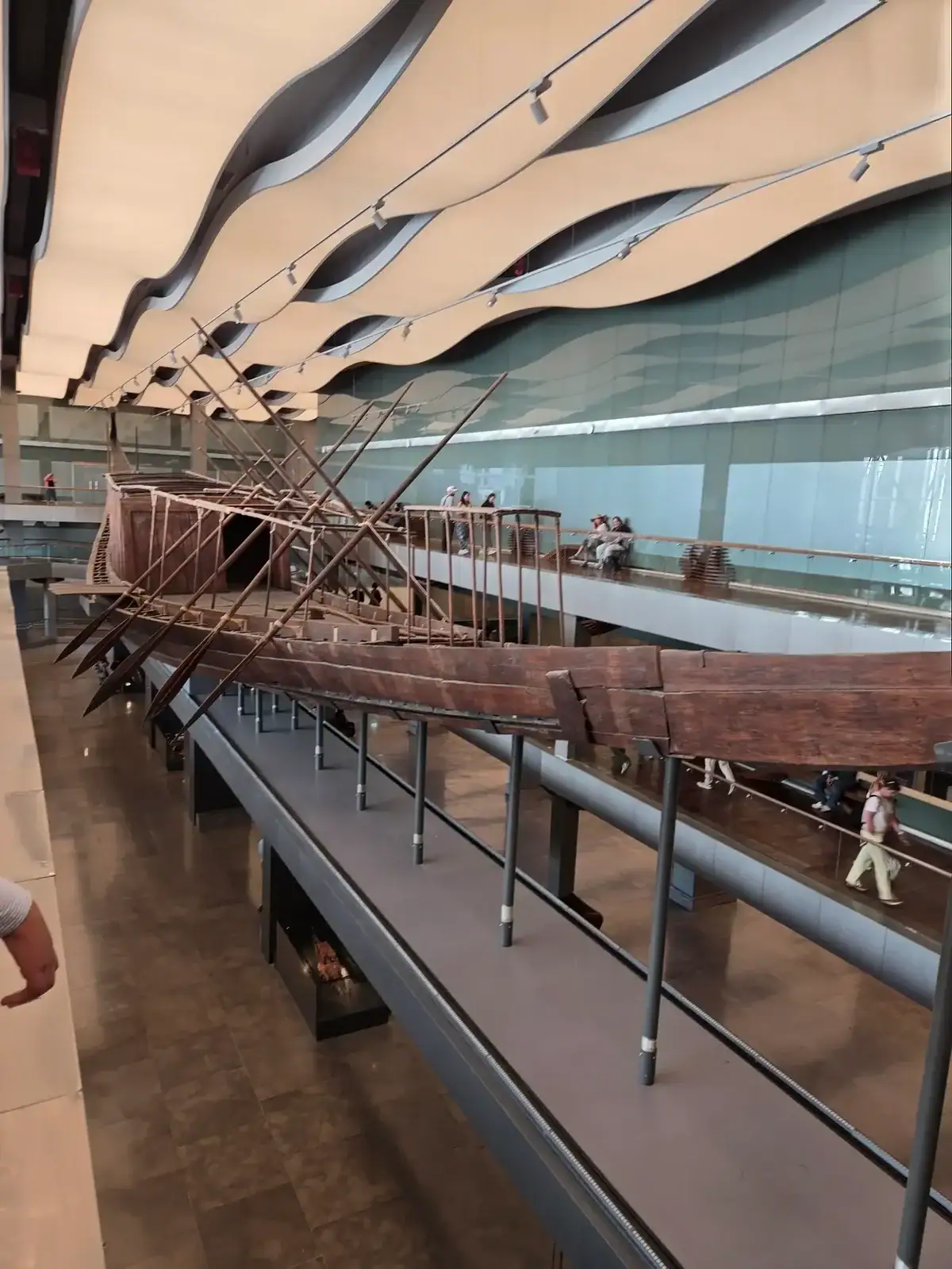
2021: Khufu’s second solar boat successfully relocated from the Giza Plateau to its dedicated GEM exhibition hall.
2023: Construction and interior exhibit mounting fully completed.
October 2024: Trial opening begins, welcoming up to 4,000 visitors daily across select main galleries.
November 1, 2025: Official Grand Inauguration ceremony attended by world leaders and international royalty.
November 4, 2025 – Present: Fully open to the public on the 103rd anniversary of the discovery of Tutankhamun’s tomb.
Historical Background
Historical Background & Timeline
For over a century, the historic Egyptian Museum in Cairo’s Tahrir Square served as the primary home for pharaonic antiquity. However, as archaeological digs continued across Luxor, Saqqara, and the Nile Delta, Tahrir’s classic 1902 building became heavily overcrowded, storing tens of thousands of relics in dark basements away from public view.
The vision for the Grand Egyptian Museum was conceived in 1992 under Minister of Culture Farouk Hosni and President Hosni Mubarak, aiming to create a state-of-the-art facility capable of housing Egypt’s expanding national collection while utilizing modern conservation techniques. An international architectural design competition was launched in 2002 under the patronage of UNESCO, drawing 1,557 entries from 83 countries—one of the largest architectural competitions in history.
Construction began in 2005 under an engineering joint venture of Orascom Construction and the BESIX Group. Despite monumental logistical feats, budget expansion to $1.2 billion, and postponements due to geopolitical shifts and global events, construction wrapped up smoothly, paving the way for full operations.

Explore the Wonders of Ancient Egypt
Book your visit to the Grand Egyptian Museum and explore one of the world’s most iconic ancient landmarks.
What Makes It Extraordinary
What Makes the Grand Egyptian Museum Extraordinary
01
The Complete Tutankhamun Collection Reunited
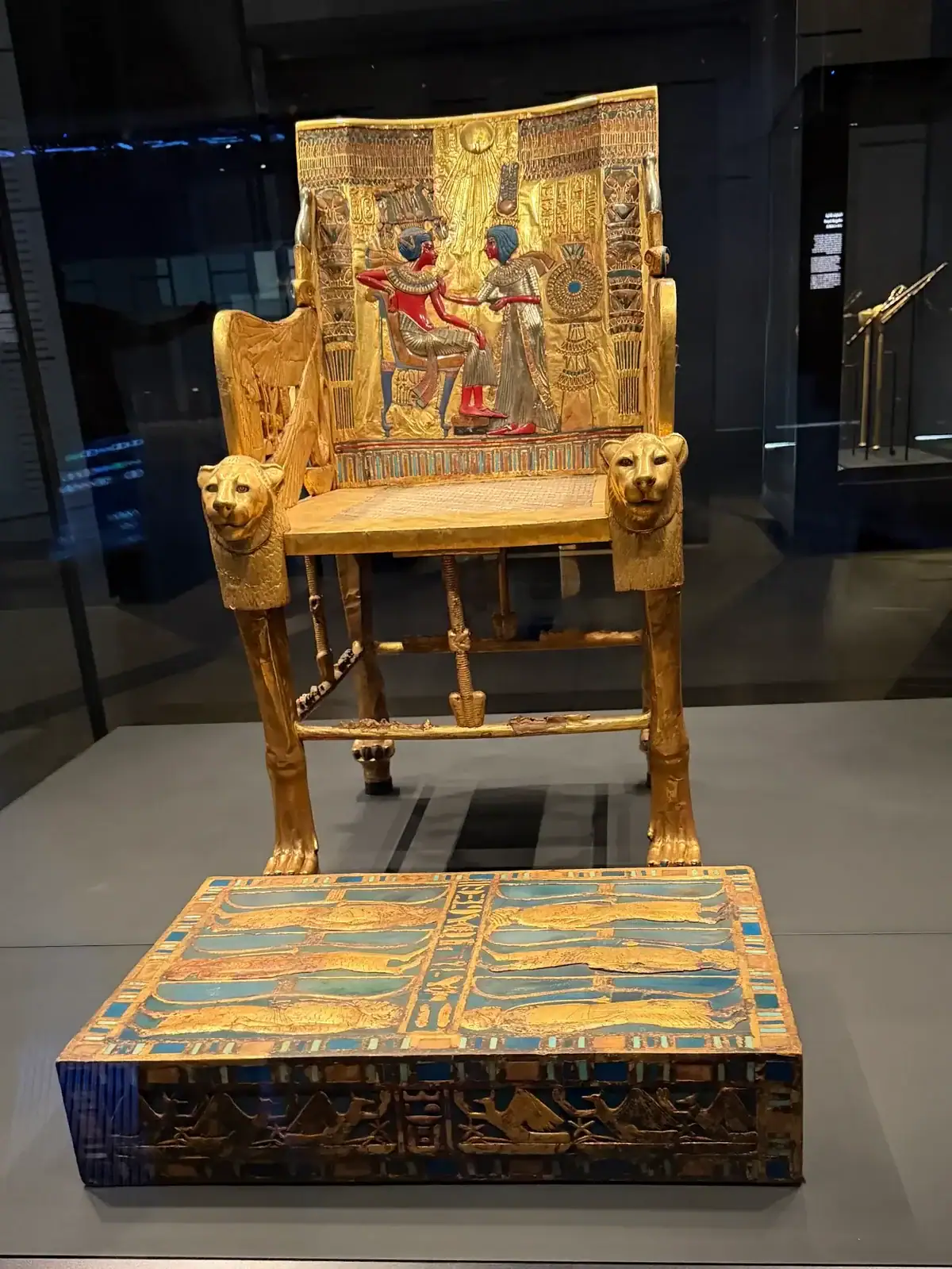
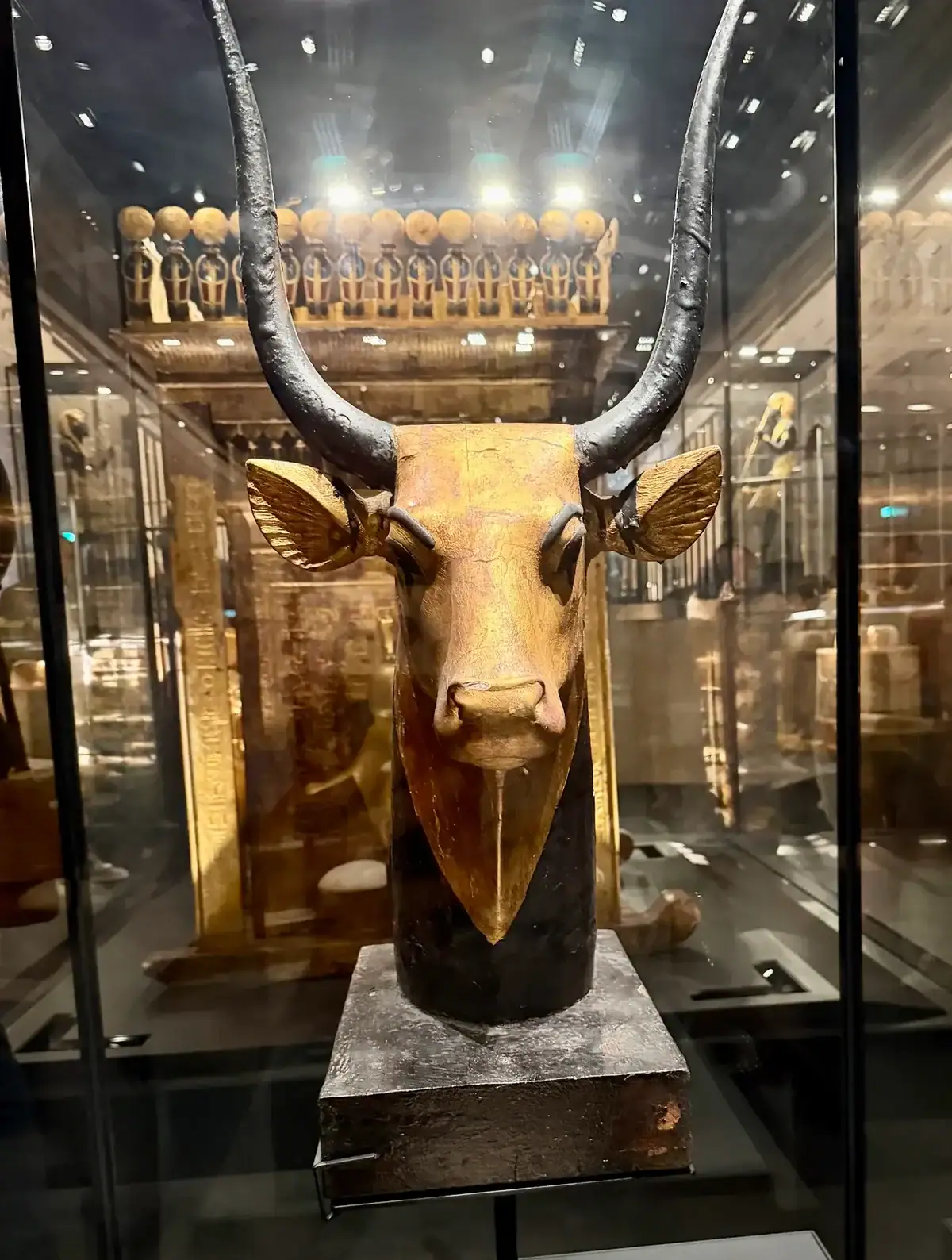
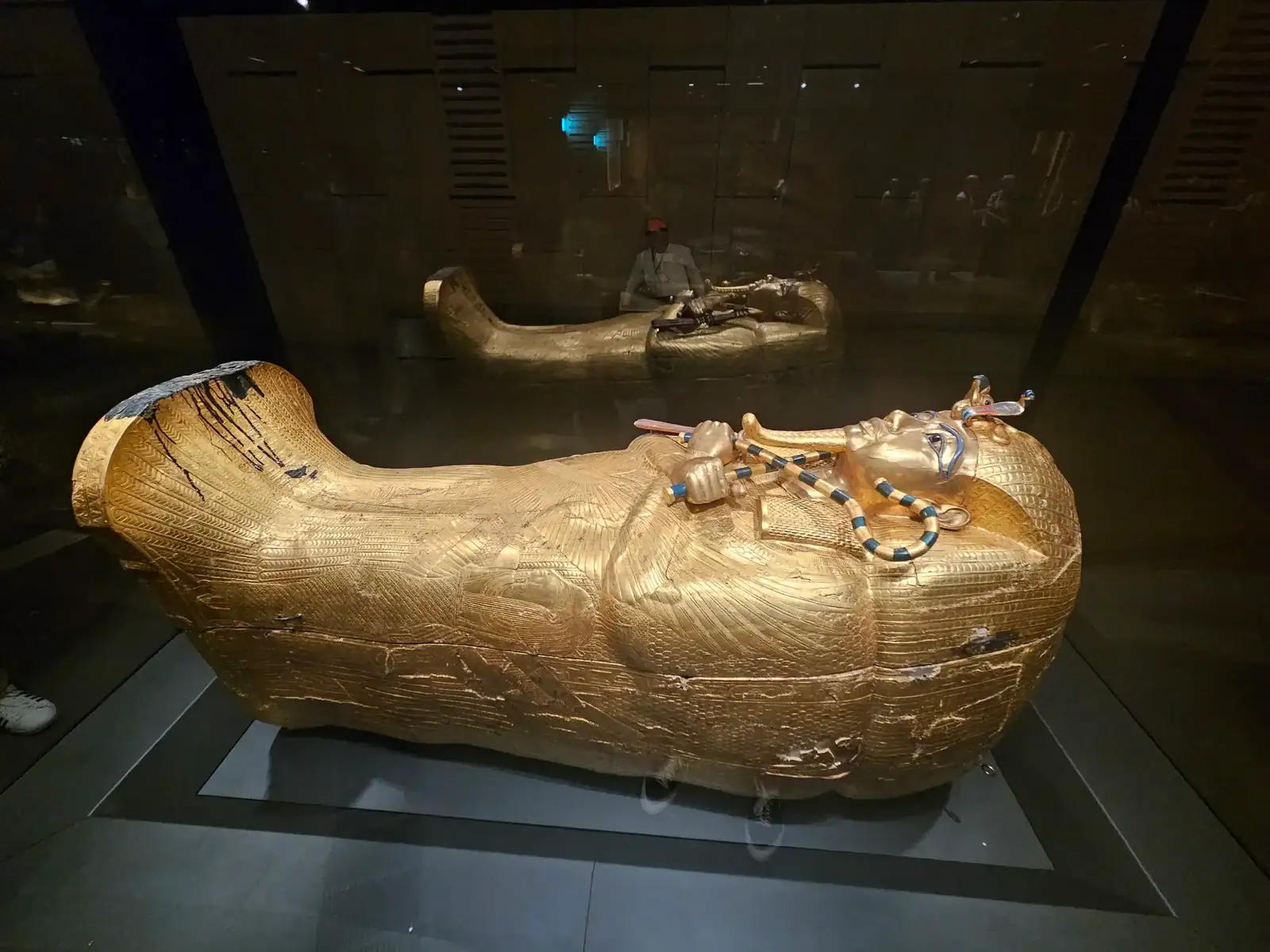
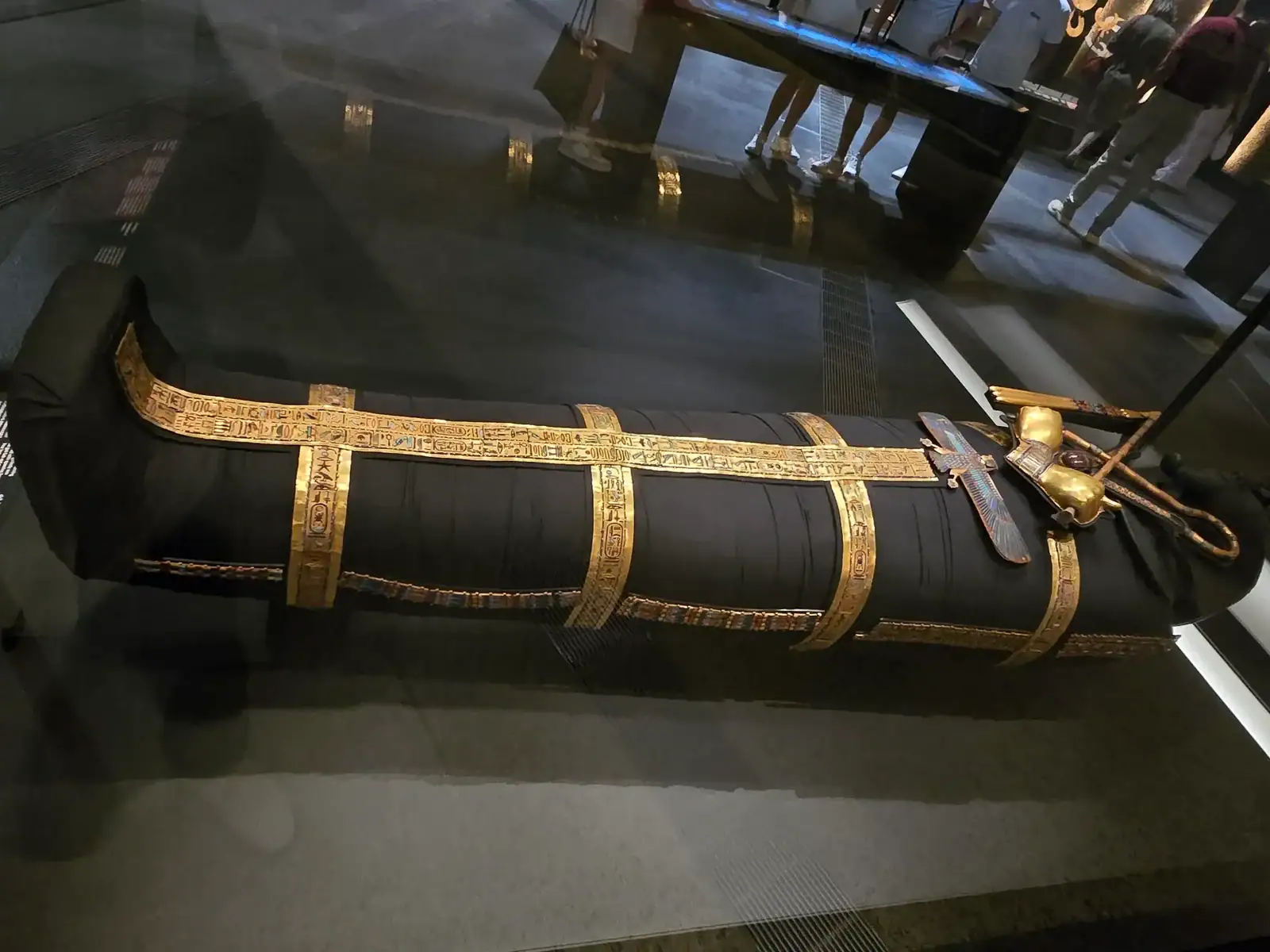
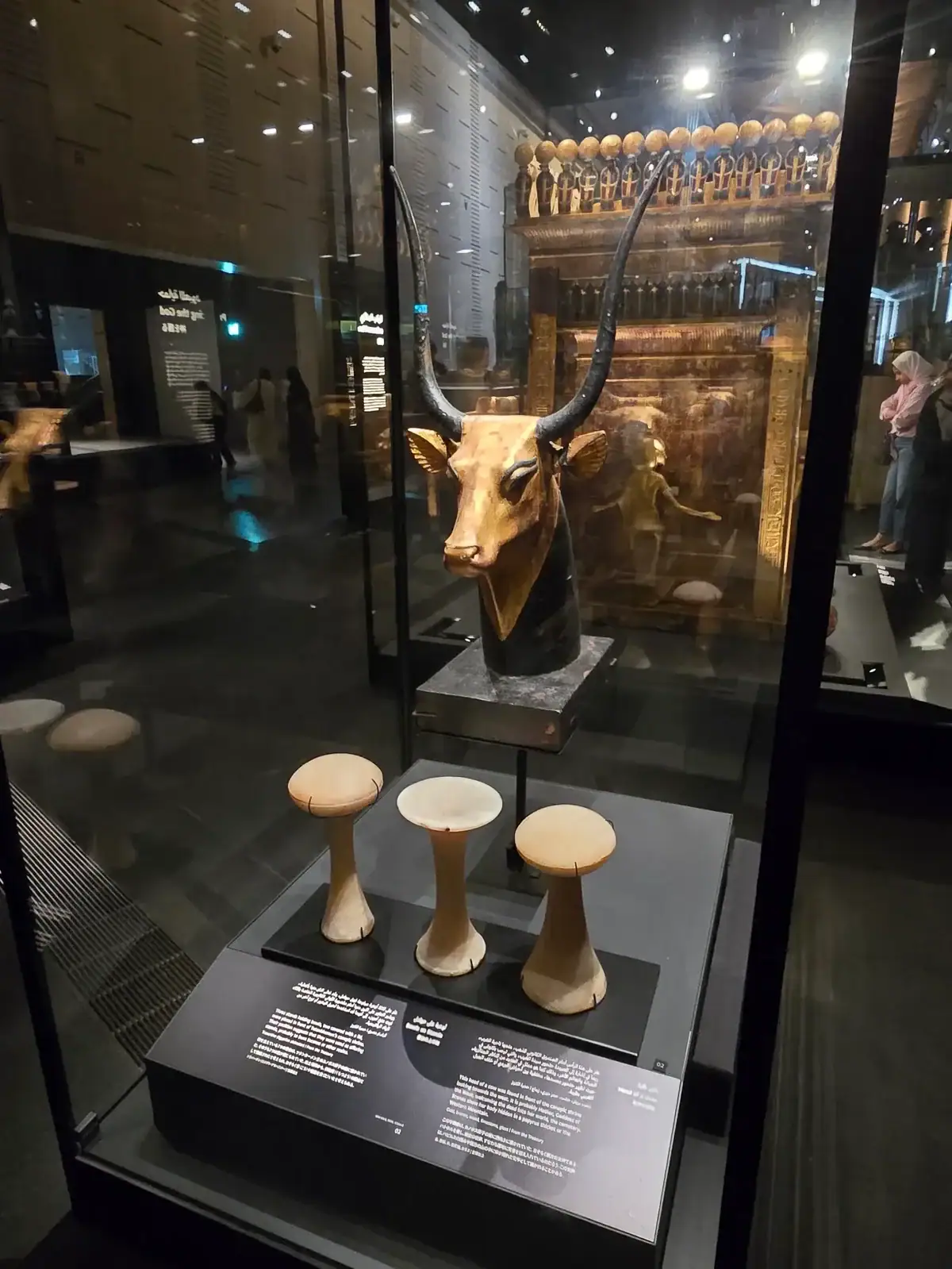
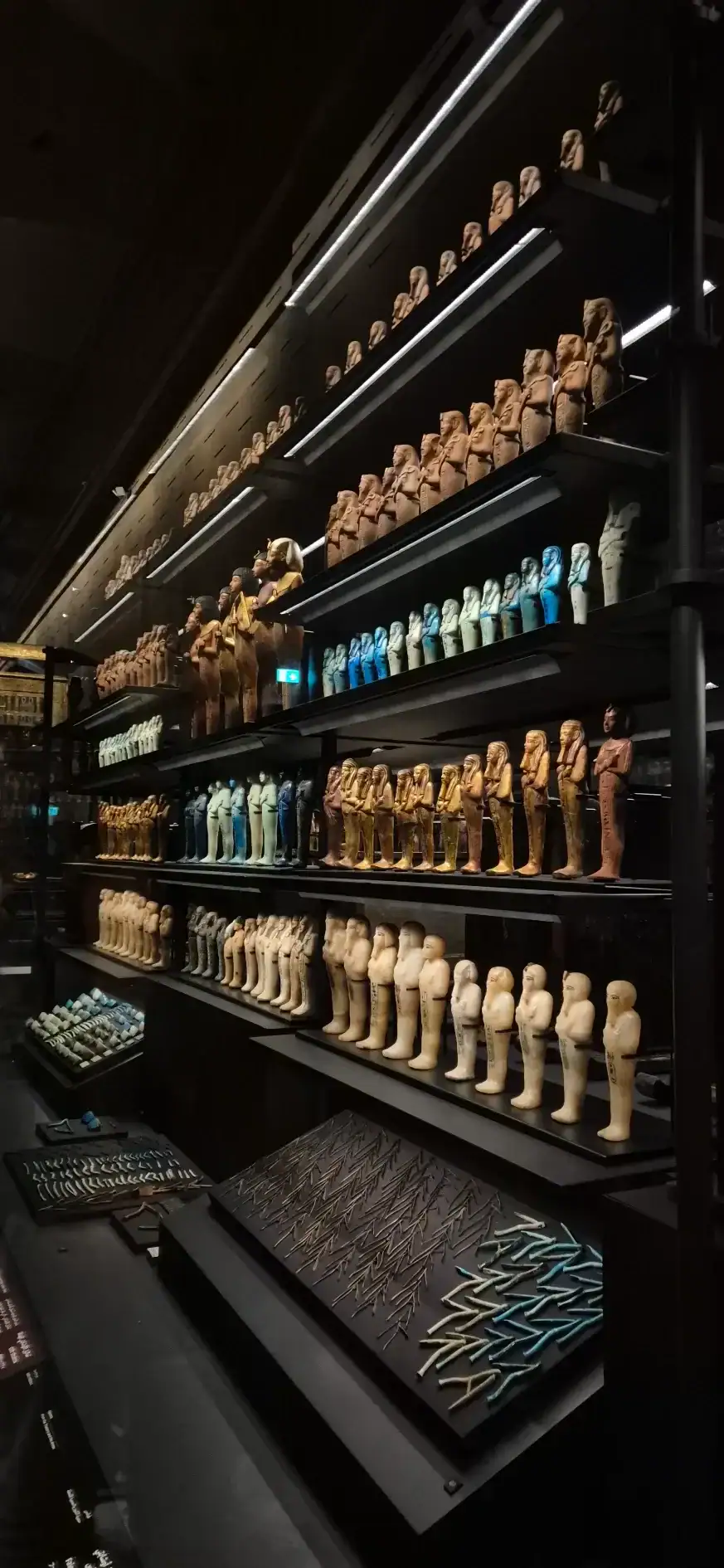
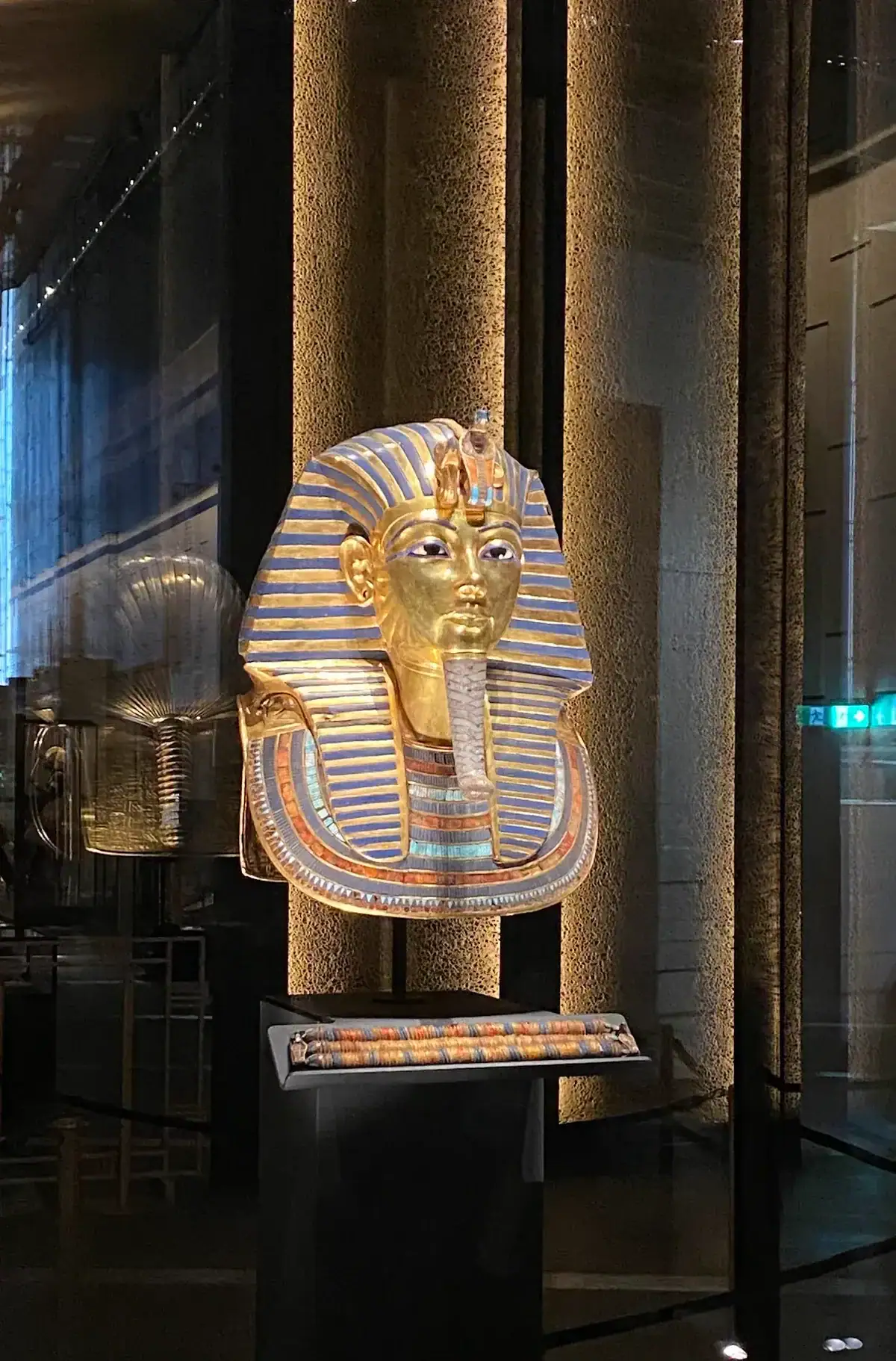
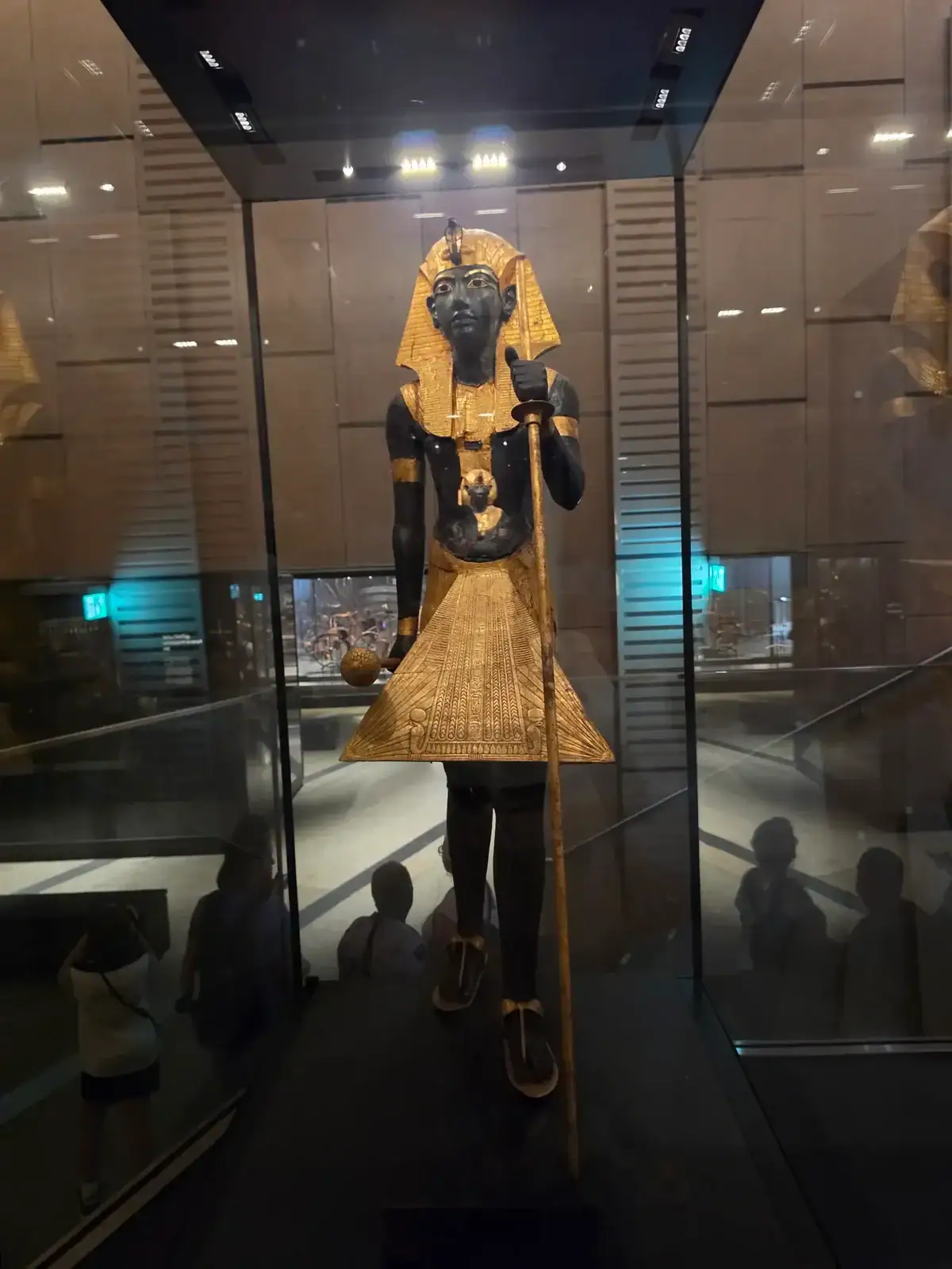
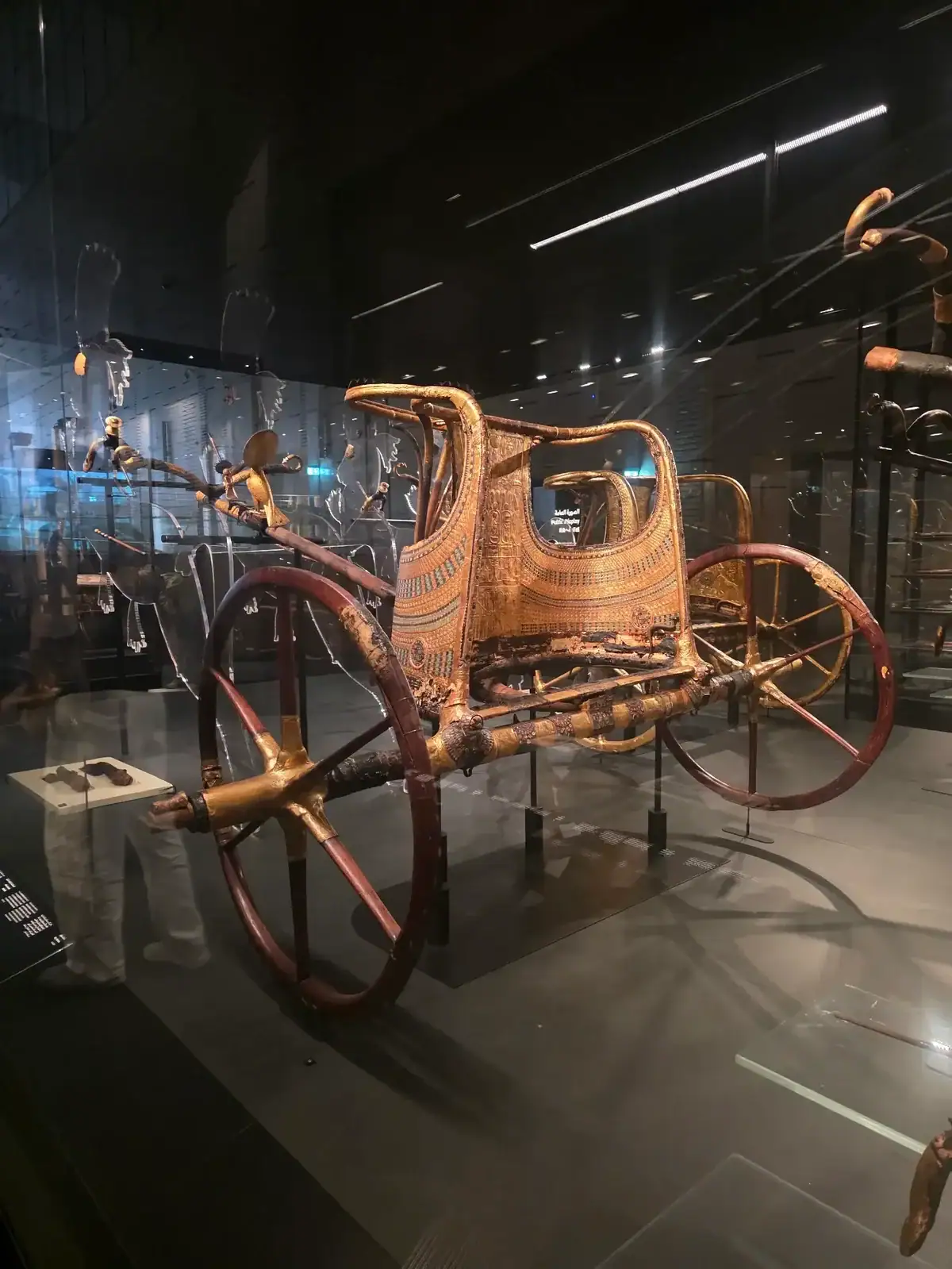
For the first time since King Tutankhamun's tomb was discovered in 1922, all 5,398 artifacts from his burial are displayed together in one place. Dedicated galleries showcase his famous gold mask, nested coffins, royal chariots, jewelry, furniture, and other priceless treasures.
02
Architectural Alignment with the Giza Pyramids
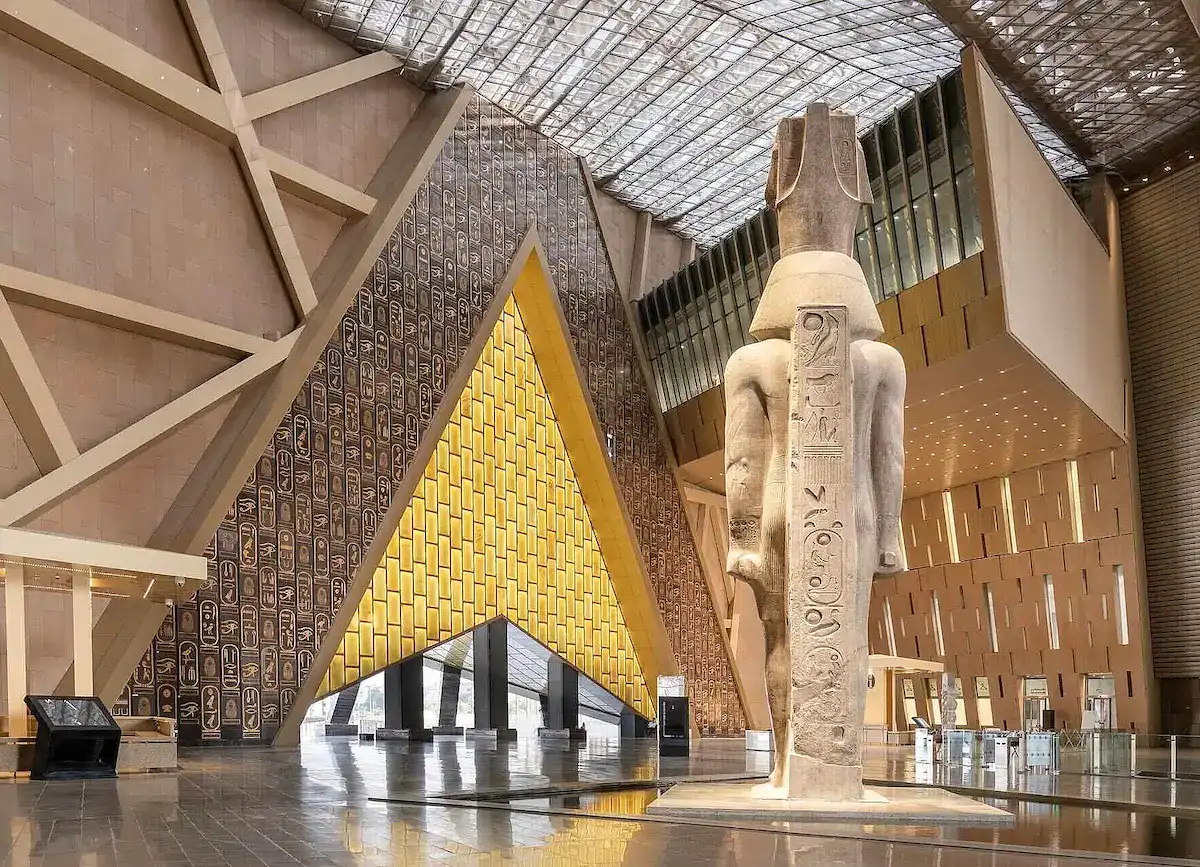
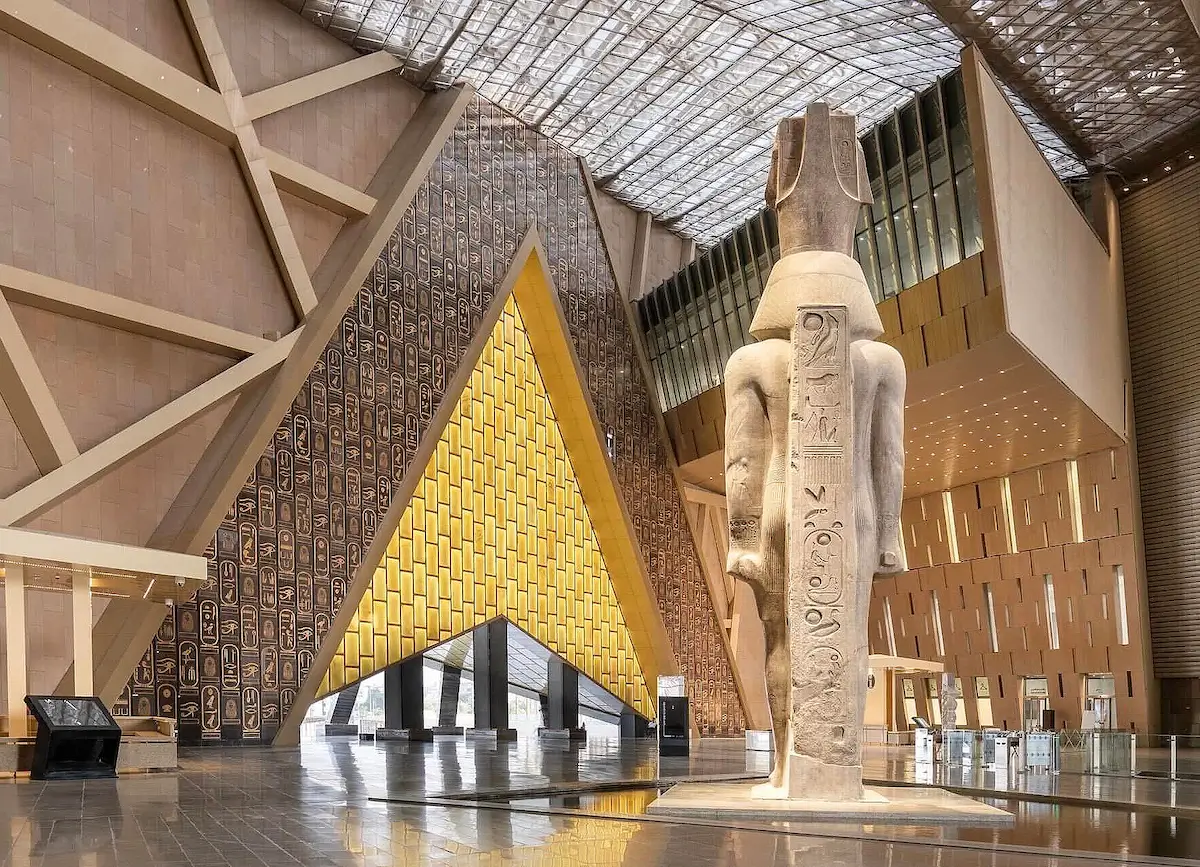
The museum's striking triangular design complements the nearby Pyramids of Giza. Its alabaster stone façade filters natural light into the Grand Hall while creating a dramatic visual connection between the museum and Egypt's most iconic monuments.
03
State-of-the-Art Conservation Center
The Grand Egyptian Museum is home to one of the world's largest archaeological conservation centers. Experts use advanced technology to restore and preserve ancient statues, mummies, papyri, textiles, and other priceless artifacts for future generations.
04
World's First Hanging Obelisk
One of GEM's most unique features is the Hanging Obelisk of Ramses II. Elevated on specially engineered supports, it allows visitors to walk beneath the monument and view the royal cartouche carved on its base—something never possible before.


What to See & Experience
Explore the Great Sphinx Experience
Exploring the Grand Egyptian Museum (GEM) is a multi-sensory journey through seven thousand years of history. To help you structure your itinerary, here are the essential highlights:
The Suspended Hanging Obelisk: Located at the entrance courtyard, offering a unique perspective from beneath Ramses II’s ancient royal monolith.
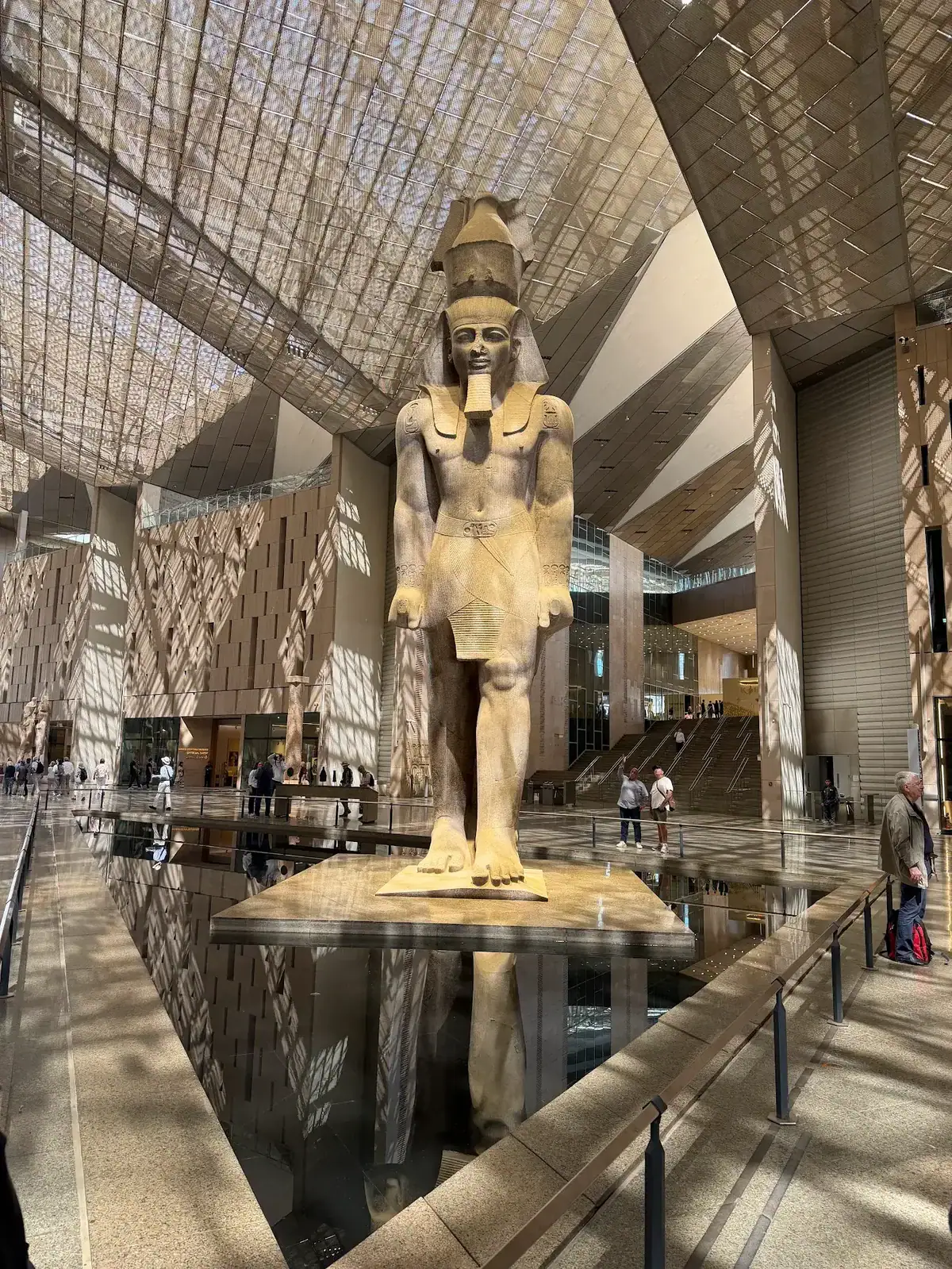
The Atrium & Colossal Ramses II Statue: Step inside the towering main atrium to stand face-to-face with an 83-ton, 11-meter-tall red granite colossus of Pharaoh Ramses II, sculpted 3,200 years ago.
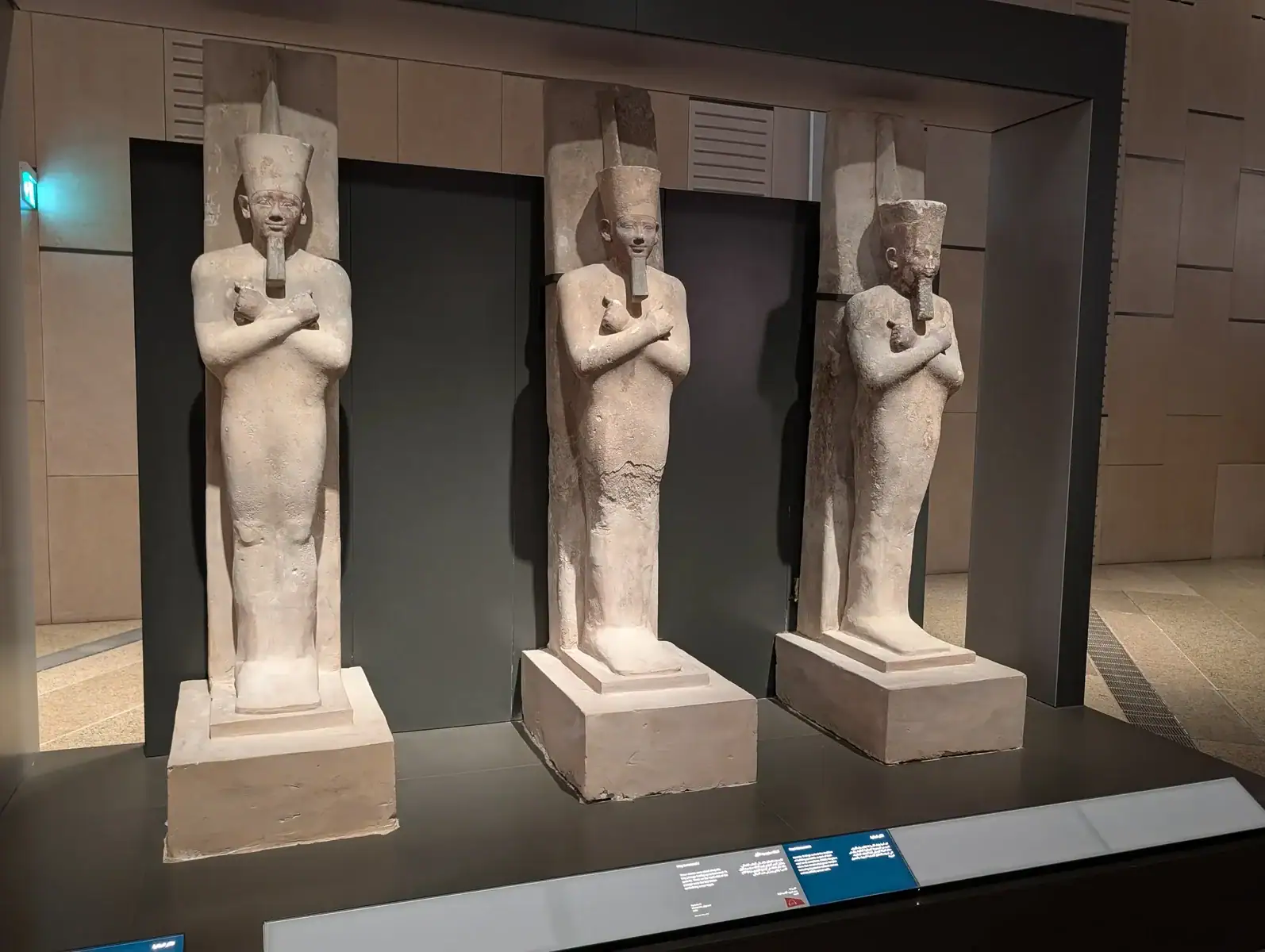
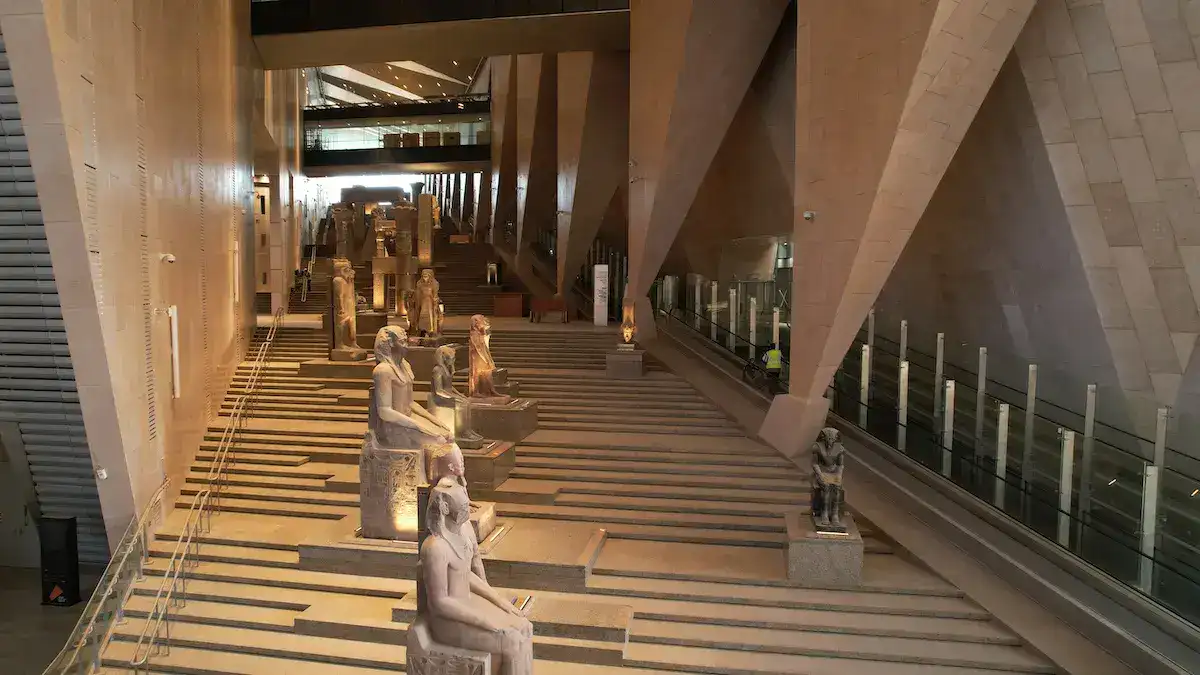
The Grand Staircase: A monumental six-story visual cascade featuring 60 magnificent royal statues, stelae, sarcophagi, and architectural columns sorted chronologically. As you ascend toward the top atrium level, vast glass windows frame panoramic views of the Giza Pyramids.
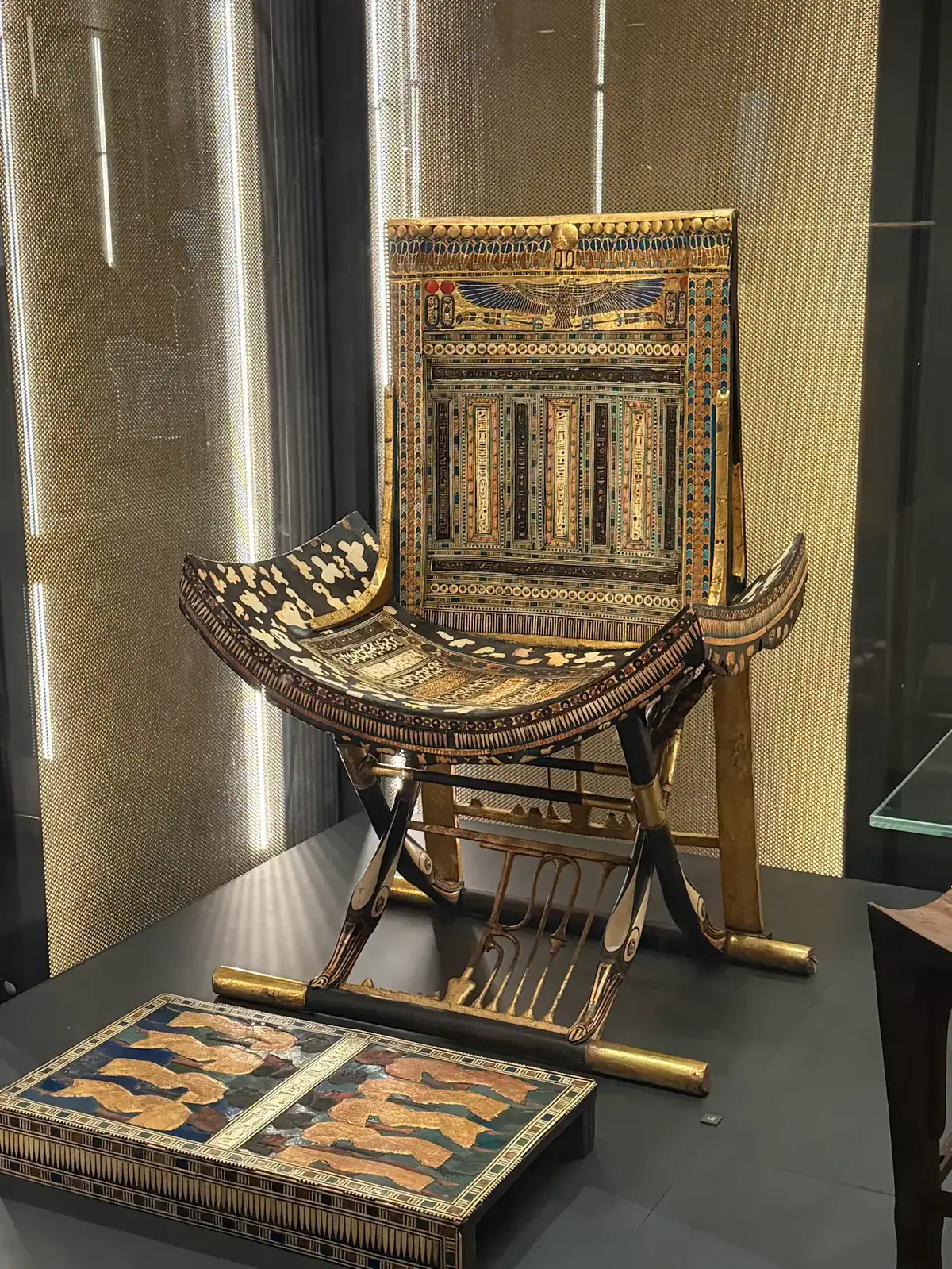
The King Tutankhamun Galleries: The star feature of the new Egyptian museum, housing thousands of gold treasures, ceremonial thrones, games (Senet), organic garments, and the famous golden burial mask.
Khufu’s Solar Boat Hall: A custom climate-controlled pavilion exhibiting Khufu’s reconstructed 4,500-year-old cedarwood boat (relocated intact from the Giza Plateau), designed to carry the pharaoh across the heavens in the afterlife.
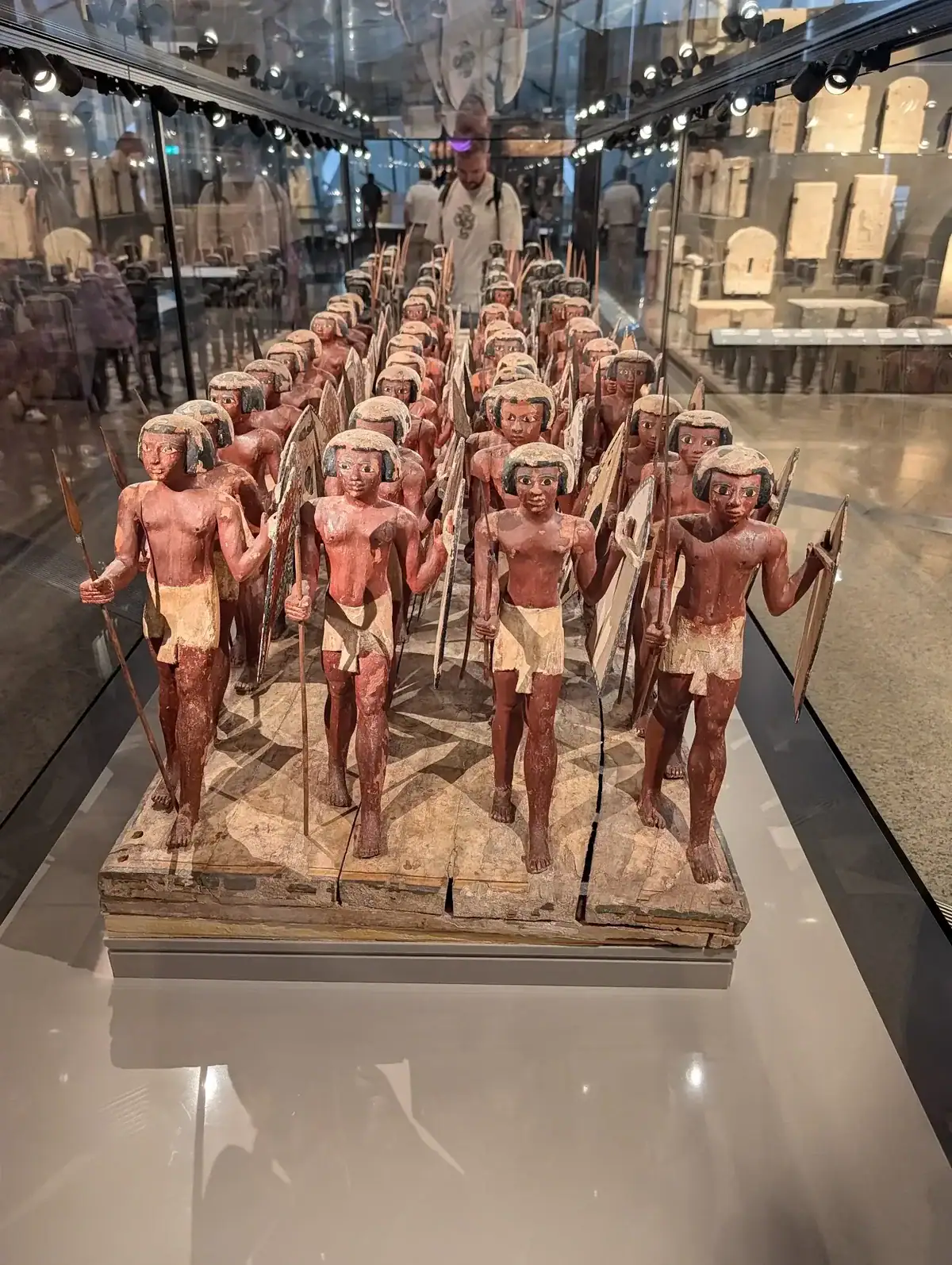
The 12 Main Exhibition Galleries: Organized by chronological eras and thematic topics—covering Social Identity, Royalty, Beliefs, and Mortuary Practices from the Pre-Dynastic era through the Old Kingdom, Middle Kingdom, New Kingdom, and Greco-Roman period.
Queen Hetepheres & Yuya/Thuya Collections: Displaying exquisite silver jewelry, gilded chairs, and personal burial furnishings of Queen Hetepheres (King Khufu’s mother) and Yuya and Thuya (great-grandparents of Tutankhamun).
GEM Children’s Museum & Interactive AR Exhibits: Featuring hands-on archaeological discovery zones, virtual reality walkthroughs of ancient temples, and mixed-reality storytelling experiences designed for younger visitors and families.
Why Visit
Cultural & Historical Significance
A Landmark for Humanity: The Grand Egyptian Museum represents more than an architectural feat; it stands as a testament to human curiosity, scientific conservation, and the preservation of global heritage.
Living Bridge to Ancient Egypt: Rather than presenting artifacts as isolated objects behind glass, GEM Giza integrates spatial context, ancient belief systems, and modern digital storytelling. Visitors do not merely view history; they observe how geography, cosmic religion, and engineering converged along the Nile Valley to shape early human civilization.
Preservation and Scientific Breakthroughs: The museum’s advanced climate-controlled environment ensures that delicate organic artifacts—such as 4,000-year-old linen garments, wooden funerary beds, and floral wreaths from Tutankhamun’s tomb—remain preserved against humidity, urban pollution, and light degradation.
A New Chapter for Egyptian Tourism: By uniting world-class museum facilities with proximity to the Giza Necropolis, GEM Cairo serves as the centerpiece of Egypt’s cultural tourism infrastructure, providing a seamless cultural hub for global travelers, scholars, and historians alike.

Explore the Wonders of Ancient Egypt
Book your visit to the Grand Egyptian Museum and explore one of the world’s most iconic ancient landmarks.
Visitor Information
Location & Access
The Grand Egyptian Museum (GEM) is located in Kafr Nassar, Giza, about 2 km from the Pyramids of Giza.
Getting There
It is easily reached by Uber, taxi, or private tour transfers, while the drive from Cairo International Airport takes approximately 45–60 minutes, depending on traffic.
Ticket Pricing
| Ticket Type | Foreign Adult | Foreign Student/Child (6–25 yrs) | Egyptian Adult |
| All-Inclusive Entry Ticket (Main Galleries, Tutankhamun, Grand Staircase, Boat Hall) | ~1,450 EGP (~$30 USD) | ~730 EGP (~$15 USD) | EGP 200 |
| Guided Official Tour Add-On | +500 EGP | +250 EGP | +150 EGP |
| Children Under 6 Years | Free | Free | Free |
Essential Tips
- Visit in the morning to enjoy cooler temperatures and fewer crowds.
- Plan enough time to explore the galleries and outdoor spaces comfortably.
- Reserve tickets in advance to avoid queues, especially during peak seasons.
- The museum is vast, with long walking distances between exhibits.
- Personal photography is generally allowed, but some galleries may have restrictions.
- Pair your visit with the nearby Pyramids of Giza and Great Sphinx for a full day of exploring Egypt's greatest landmarks.


FAQs
Frequently Asked Questions About the Grand Egyptian Museum (GEM)
Where is the Grand Egyptian Museum located?
It is located in Giza, Egypt, along the Cairo-Alexandria Desert Road—just 2 km (~1.2 miles) from the Giza Pyramids Complex.
What are the top highlights to see inside?
Major highlights include the complete King Tutankhamun collection, the 83-ton Ramses II colossus, the suspended hanging obelisk, Khufu’s solar boats, and the Grand Staircase.
Is King Tutankhamun’s golden mask at GEM?
Yes. All 5,398 items from King Tutankhamun’s tomb—including his solid gold mask, chariots, and coffins—are permanently housed together in GEM’s dedicated wing.
How do I buy tickets, and is advance booking required?
Foreign visitors must book timed-entry tickets online in advance via the official platform (tickets.gem.eg). General admission for foreign adults is approximately ~1,450 EGP ($30 USD).
What are the opening hours?
Galleries are open daily from 9:00 AM to 6:00 PM, with extended hours until 9:00 PM on Wednesdays and Saturdays.
Is photography allowed?
Yes, personal photography on mobile phones is allowed. However, flash photography, tripods, selfie sticks, and live streaming are strictly prohibited.
Plan Your Visit
Ready to Step Inside Egypt's Royal History?
Book your cruise or tour package to ensure seamless entry, expert guidance, and the most meaningful experience at the last surviving Wonder of the Ancient World.