
Great Sphinx of Giza
The Sphinx at a Glance
The Timeless Guardian of Ancient Egypt
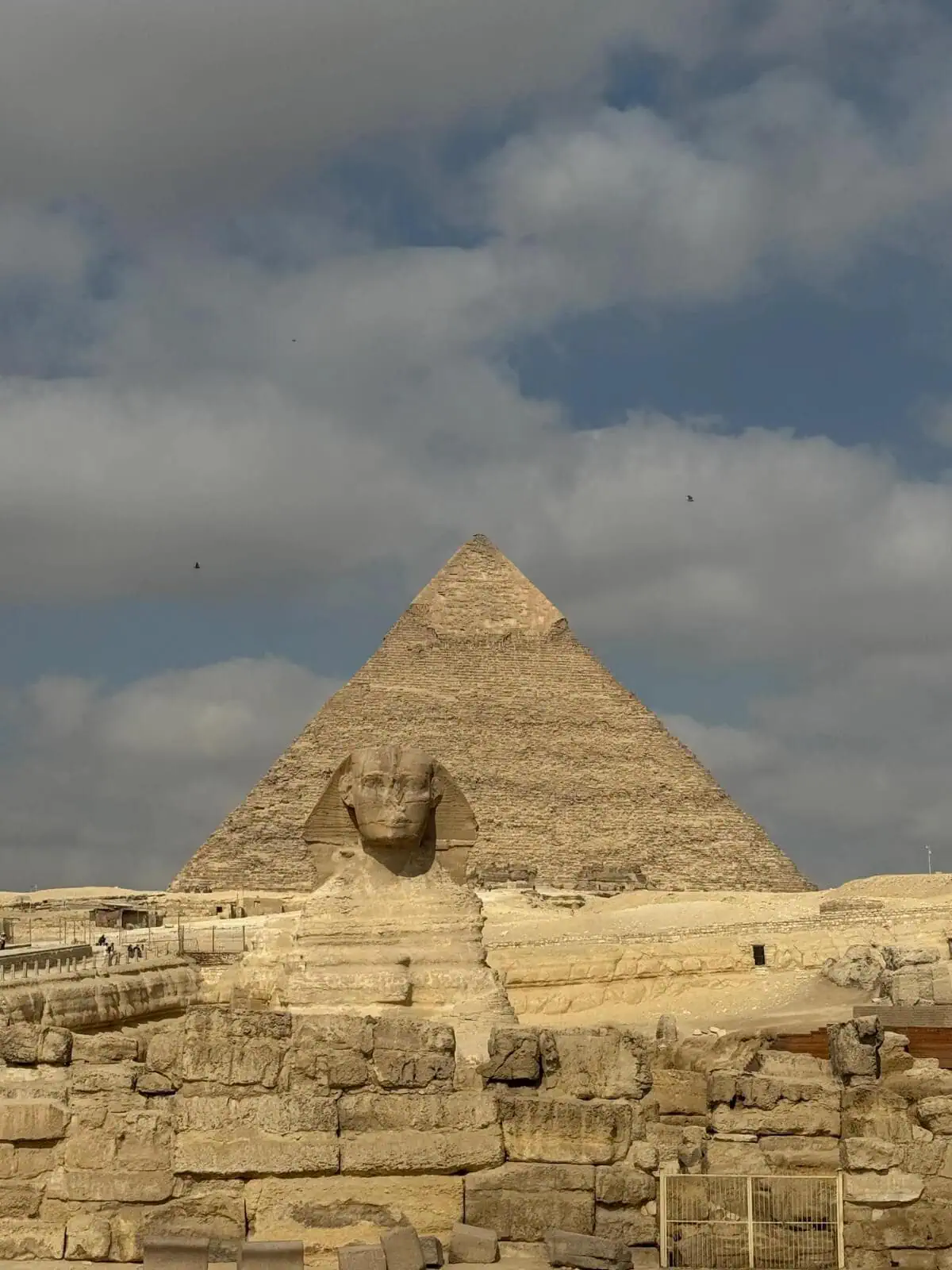
Rising from the sands of the Giza Plateau, the Great Sphinx of Giza is one of the most iconic monuments ever created by human civilization. With the body of a lion and the face of a king, this colossal limestone statue has stood watch over the pyramids for more than 4,500 years. The monument represents royal power, divine protection, and the enduring legacy of ancient Egypt.
Located beside the Pyramid of Khafre, the Great Sphinx remains one of the greatest mysteries of the ancient world. Despite centuries of research, archaeologists continue to debate aspects of its construction, symbolism, and hidden secrets buried beneath the plateau.
| Official Name | Great Sphinx of Giza |
|---|---|
| Location | Giza Plateau, Egypt |
| Built | c. 2558–2532 BCE |
| Commissioned By | Commonly attributed to Pharaoh Khafre |
| Length | ~73 meters (240 ft) |
| Height | ~20 meters (66 ft) |
| Material | Natural limestone bedrock |
| Site Hours | 7:00 AM – 5:00 PM (Daily) |
| Best Time to Visit | October – April |
Historical Timeline
c. 2558 BCE — Construction Begins
c. 1400 BCE — Dream Stele of Thutmose IV
Roman Period — Additional Restorations
1817 — First Modern Excavation
1925–1936 — Major Sand Removal
1979 — UNESCO Recognition
Modern Era — Ongoing Research
Historical Background
Historical Background & Timeline
The Great Sphinx of Giza was carved during Egypt’s Fourth Dynasty around 2558–2532 BCE, during the golden age of pyramid building on the Giza Plateau. It is widely attributed to Pharaoh Khafre (Chephren) and was created as part of his larger funerary complex, symbolizing royal power, divine protection, and eternal guardianship of the necropolis.
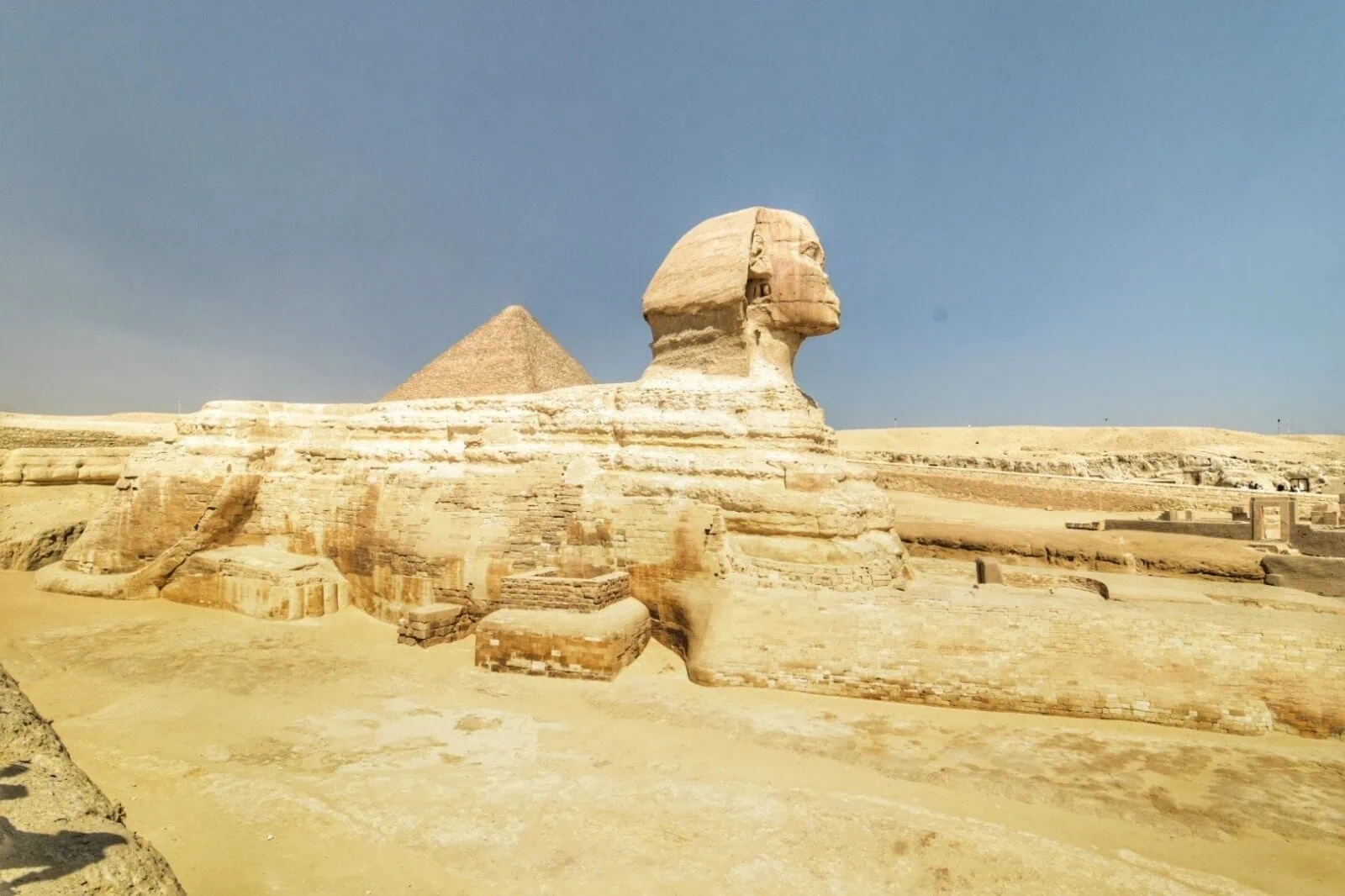
The monument was sculpted directly from a single limestone outcrop, making it one of the largest monolithic statues ever created in the ancient world. Ancient Egyptian artisans shaped the natural bedrock into a reclining lion with a human head, likely representing the pharaoh himself. The design reflects innovations in Old Kingdom architecture and religious symbolism established by earlier rulers such as Sneferu.
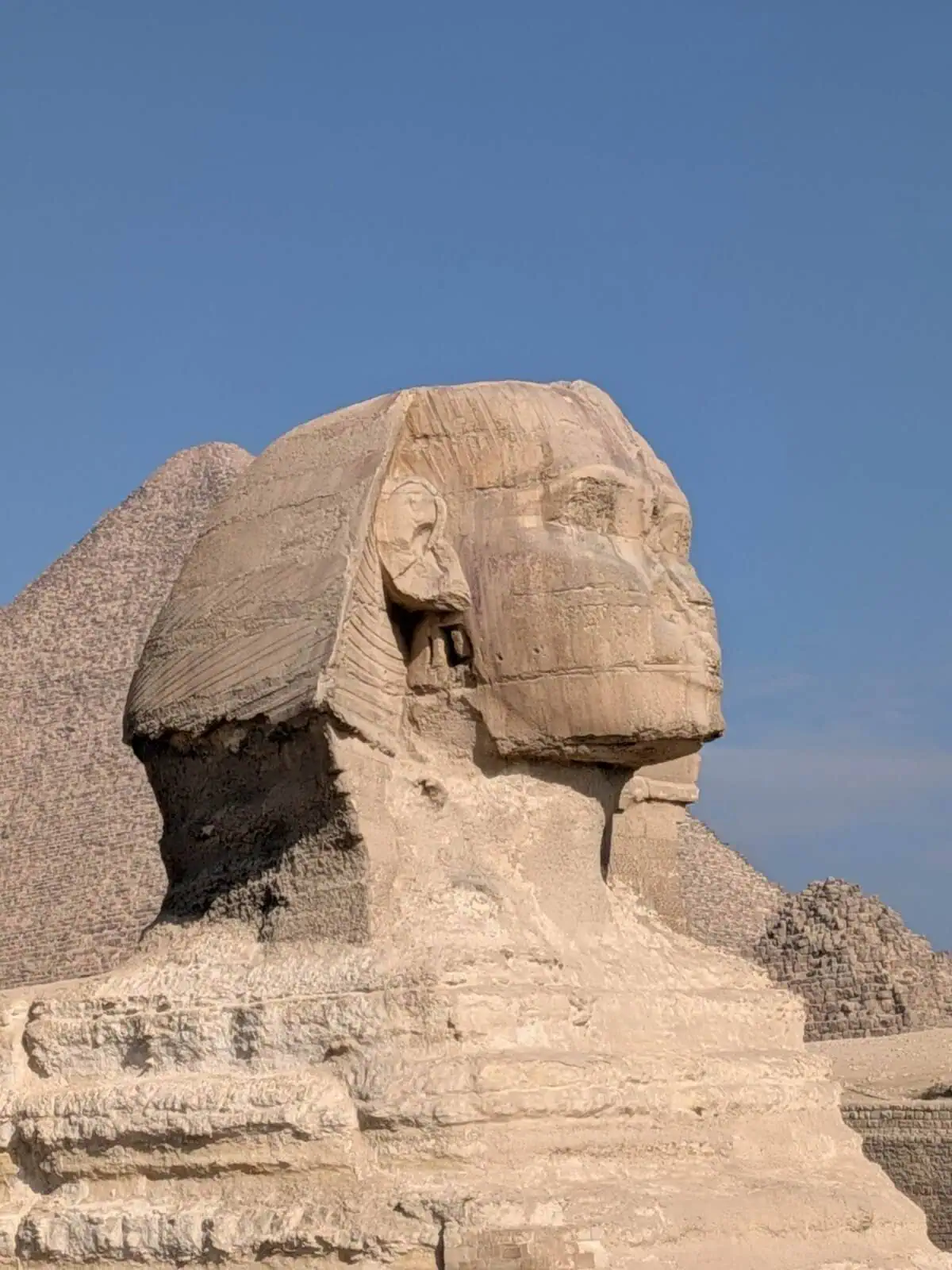
The Sphinx was originally part of a broader sacred landscape that included Khafre’s pyramid, valley temple, causeways, and associated burial structures for royalty and nobility. Over centuries, shifting desert sands buried the monument multiple times, while erosion and human damage altered its features—most notably its missing nose and weathered face.
Despite these changes, the core structure remains intact, making the Great Sphinx one of the most enduring symbols of ancient Egypt. In modern times, it has been extensively excavated and conserved, and the entire Giza Plateau was designated a UNESCO World Heritage Site in 1979 due to its exceptional historical and cultural significance.

Explore the Wonders of Ancient Egypt
Book your visit to the Great Sphinx of Giza and explore one of the world’s most iconic ancient landmarks.
What Makes It Extraordinary
What Makes the Great Sphinx of Giza Extraordinary
01
The Largest Ancient Sphinx Ever Created
The Great Sphinx of Giza is the largest and most famous sphinx in Egypt. Measuring approximately 73 meters long and 20 meters high, it remains one of the biggest monolithic statues of the ancient world. Its sheer scale becomes overwhelming when viewed up close beside the pyramids.
02
A Monument Carved from a Single Rock Formation
Unlike many ancient monuments assembled from separate stone blocks, the Sphinx was carved directly into the limestone bedrock of the Giza Plateau itself. Ancient Egyptian craftsmen shaped the body, paws, and surrounding enclosure from the natural stone formation, making it one of the most ambitious rock-cut sculptures in history.
03
The Mysterious Missing Nose
One of the most recognizable features of the ancient sphinx is its missing nose. Over the centuries, numerous legends emerged about how it disappeared. Historical evidence suggests the nose was likely destroyed long before Napoleon’s arrival in Egypt, contrary to popular myth. The exact cause remains uncertain and continues to intrigue historians today.
04
Guardian of the Pyramid Complex
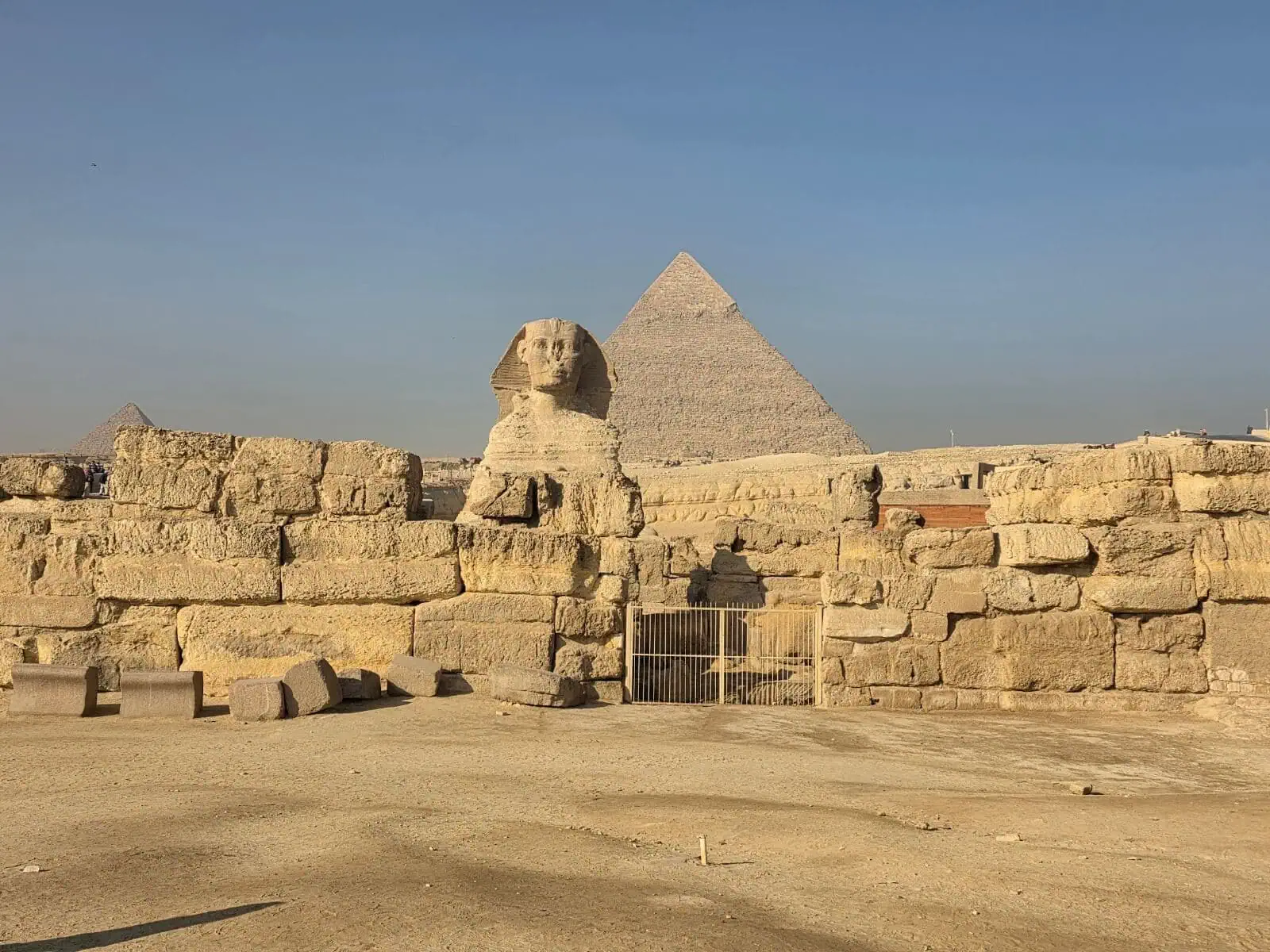
Positioned directly beside the Pyramid of Khafre, the sphinx Giza monument appears to guard the sacred necropolis. Facing east toward the rising sun, the statue symbolized divine kingship, solar worship, and eternal protection over the royal tombs of ancient Egypt.


What to See & Experience
Explore the Great Sphinx Experience
A visit to the Great Sphinx of Giza offers far more than a quick photo stop. The surrounding archaeological landscape creates one of the most unforgettable historical experiences in the world.
The Great Sphinx Viewing Area: Stand face-to-face with the legendary guardian of the Giza Plateau and admire the immense scale of the monument from the designated viewing terraces. From nearby, the weathered limestone details and royal facial features become far more impressive.
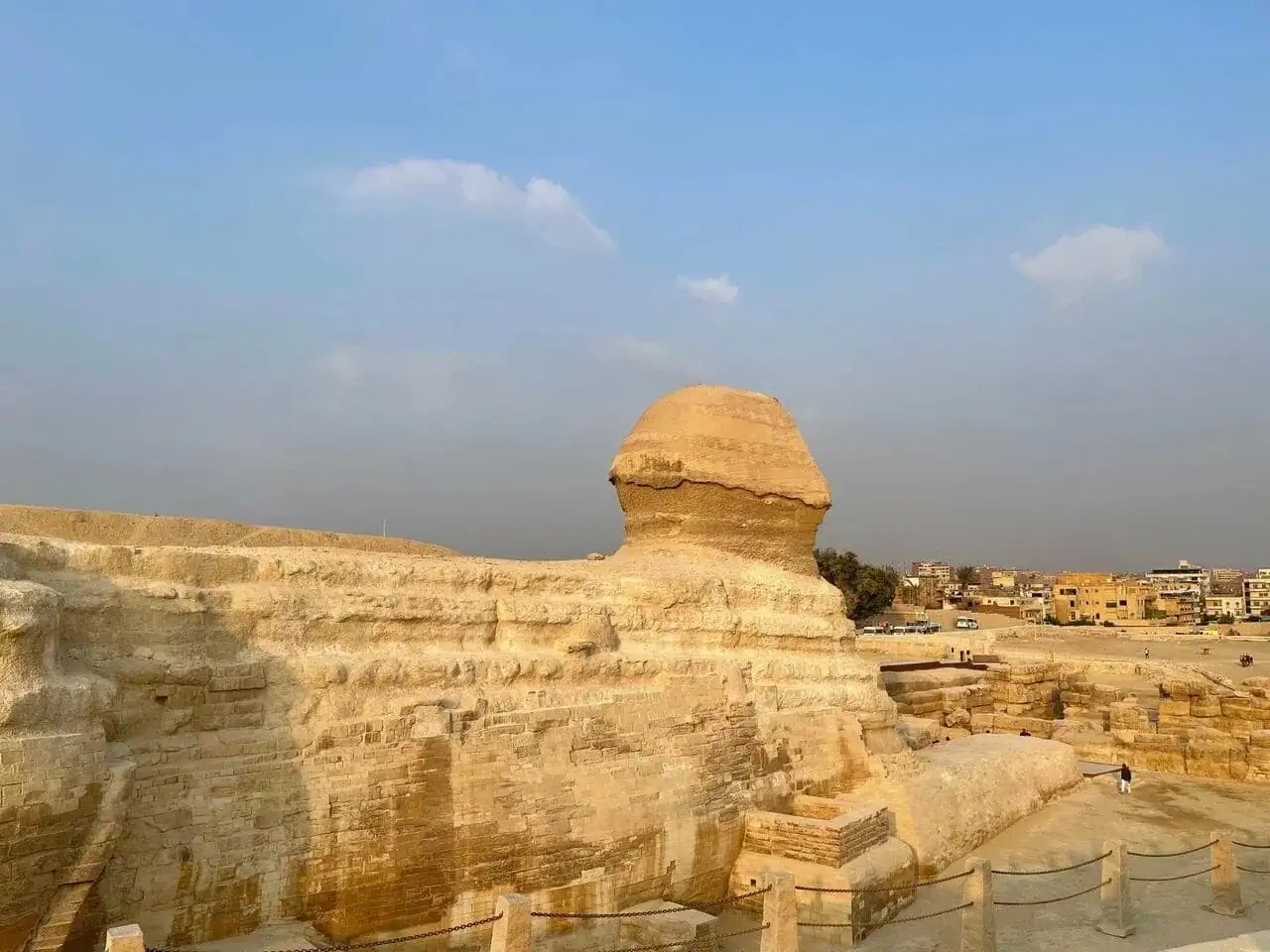
The Sphinx Enclosure: Walk around the massive carved enclosure surrounding the statue and observe the layers of limestone that reveal thousands of years of erosion, restoration, and ancient quarrying activity.
The Dream Stele: Located between the Sphinx’s paws, the granite Dream Stele of Thutmose IV tells the famous story of the prince who restored the monument after receiving a divine vision promising him the throne of Egypt.
The Pyramid of Khafre: The Great Sphinx sits directly beside the Pyramid of Khafre, creating one of the most recognizable archaeological scenes on Earth. Many historians believe the Sphinx’s face represents Khafre himself.
Panoramic Giza Plateau Views: Enjoy breathtaking desert views of the pyramids, temples, and surrounding necropolis. Sunrise and sunset provide especially dramatic lighting for photography across the plateau.
Sound & Light Shows: Evening sound and light performances bring the history of the sphinx Egypt complex to life through storytelling, music, and illuminated projections across the pyramids and Sphinx.
Camel & Horse Rides: Traditional camel and horseback rides remain popular ways to experience the desert atmosphere surrounding the ancient monuments.
Why Visit
Cultural & Historical Significance
Few monuments in history symbolize ancient civilization more powerfully than the Great Sphinx of Giza. It stands as a masterpiece of sculpture, royal ideology, religion, and engineering.
Symbol of Royal Power: The body of a lion combined with the face of a pharaoh represented absolute authority, divine kingship, and protection. In ancient Egypt, lions were associated with strength and solar power, making the Sphinx a sacred guardian of the royal necropolis.
Connection to Solar Worship: The sphinx pyramid alignment reflects the importance of the sun god Ra in ancient Egyptian religion. Facing east toward the sunrise, the monument likely played a ceremonial role linked to rebirth, resurrection, and eternal life.
One of Humanity’s Oldest Monumental Sculptures: The Great Sphinx remains among the oldest surviving colossal statues on Earth. Its survival across more than four millennia highlights the extraordinary craftsmanship and vision of ancient Egyptian civilization.
A Continuing Archaeological Mystery: Despite centuries of research, many mysteries surrounding the Sphinx remain unsolved. Scholars continue debating its exact construction methods, symbolic meaning, erosion patterns, and whether hidden chambers may exist beneath the monument.
Global Cultural Legacy: The image of the ancient sphinx has inspired literature, films, art, mythology, and architecture across countless cultures. Today, it remains one of the most recognizable symbols of Egypt and one of the world’s greatest archaeological treasures.

Explore the Wonders of Ancient Egypt
Book your visit to the Great Sphinx of Giza and explore one of the world’s most iconic ancient landmarks.
Visitor Information
Location & Access
Giza Plateau, Al Haram, Giza Governorate, Egypt (about 20 km from Cairo). Entry is via the main Giza Complex gates, including the newer Fayoum Desert Road access.
Getting There
30–45 minutes by taxi or Uber from Cairo. Guided tours are recommended for easier access and historical context.
Ticket Pricing
Plateau Entry
EGP 700 (~$14)
Additional site access
(pyramids interiors): extra fee required
Essential Tips
- Arrive early (around 7:00 AM) to avoid crowds and heat, and to get the best lighting for photography
- Wear comfortable, sturdy, closed-toe shoes due to uneven desert terrain
- Expect warm and humid conditions inside nearby pyramid interiors
- Dress modestly (cover shoulders and knees) as a sign of cultural respect
- Allocate 4–5 hours to explore the Sphinx, pyramids, and surrounding plateau properly
- Bring water, sunscreen, and sunglasses, especially in summer months
FAQs
Frequently Asked Questions About the Great Sphinx of Giza
Who built the Great Sphinx of Giza?
It is most commonly attributed to Pharaoh Khafre of Egypt’s Fourth Dynasty around 2558–2532 BCE.
How old is the Great Sphinx?
The Sphinx is approximately 4,500 years old, making it one of the oldest monumental sculptures in the world.
What does the Sphinx represent?
It symbolizes royal power and divine protection, combining a lion’s body (strength) with a pharaoh’s head (authority).
Can you go inside the Great Sphinx?
No, the Sphinx is not open for interior entry. Visitors can only view it from surrounding platforms.
Why is the Sphinx missing its nose?
The exact reason is unknown, but historical evidence suggests it was damaged centuries ago due to erosion or human activity.
What is the best time to visit the Sphinx?
The best time is October to April, with early morning visits recommended for cooler weather and fewer crowds.
Plan Your Visit
Ready to Step Inside Egypt's Royal History?
Book your cruise or tour package to ensure seamless entry, expert guidance, and the most meaningful experience at the last surviving Wonder of the Ancient World.