
Hatshepsut Temple (Deir el-Bahari)
The Palace at a Glance
Egypt’s Most Magnificent Temple Built by a Female Pharaoh
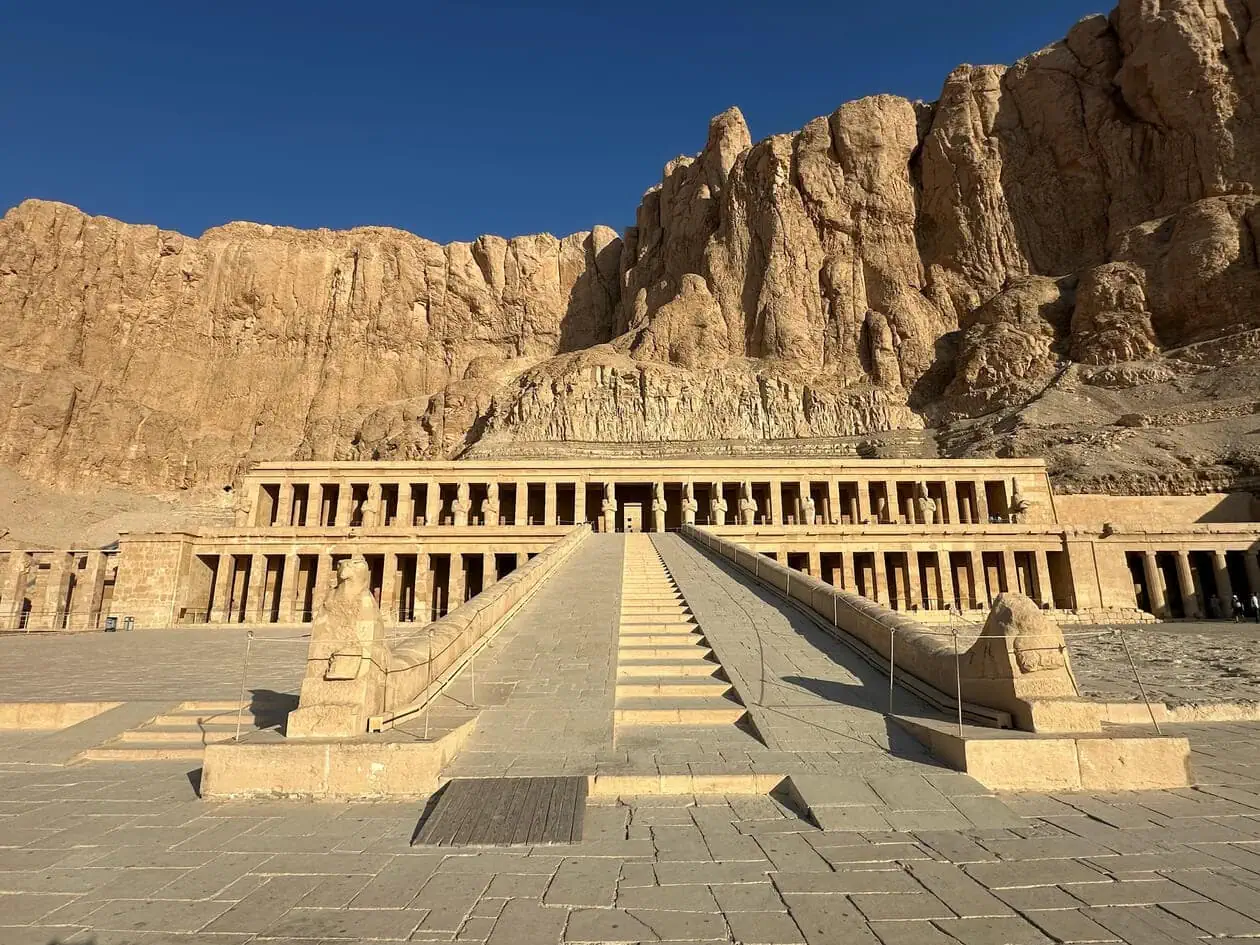
The Hatshepsut Temple at Deir el-Bahari is one of the most remarkable architectural masterpieces of ancient Egypt. Rising dramatically from the base of towering limestone cliffs on Luxor’s West Bank, the temple was built during the reign of Queen Hatshepsut, one of the most successful and influential rulers of the New Kingdom.
Officially known as Djeser-Djeseru (“Holy of Holies”), the temple served as both a sacred sanctuary dedicated to the god Amun and a grand mortuary temple designed to ensure Hatshepsut’s eternal legacy. Its elegant terraces, monumental ramps, and exquisite reliefs make it one of Egypt’s most photographed and admired archaeological sites.
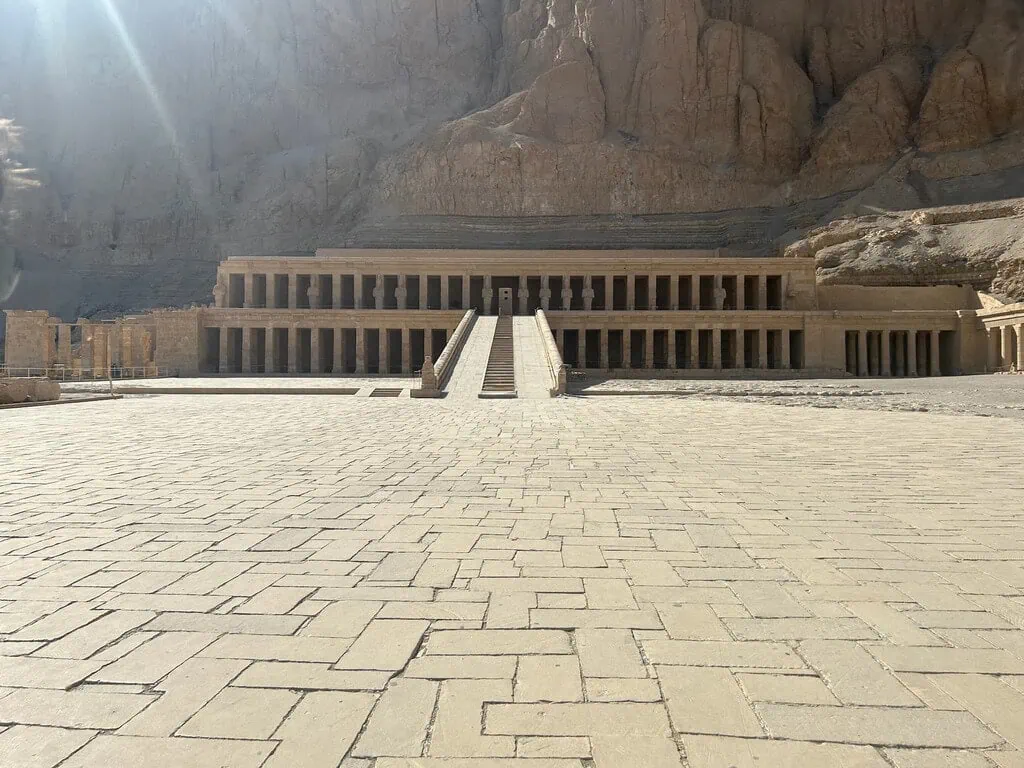
Unlike most Egyptian temples, which were constructed as standalone structures, the Queen Hatshepsut temple was carefully integrated into the surrounding cliffs of Deir el-Bahari, creating a harmonious blend of architecture and nature that remains breathtaking more than 3,400 years later. Today, it stands among the most important attractions in Luxor and forms part of the UNESCO-listed Theban Necropolis.
| Official Name | Mortuary Temple of Hatshepsut (Djeser-Djeseru) |
|---|---|
| Location | Deir el-Bahari, West Bank, Luxor, Egypt |
| Built | c. 1479–1458 BCE |
| Dynasty | 18th Dynasty (New Kingdom) |
| Builder | Pharaoh Hatshepsut |
| Architect | Senenmut |
| Function | Mortuary Temple & Sanctuary of Amun |
| UNESCO Site | Theban Necropolis (since 1979) |
| Site Hours | Daily, approximately 6:00 AM – 5:00 PM |
| Best Time to Visit | October – April |
Historical Timeline
c. 1479 BCE
Hatshepsut becomes regent for the young Thutmose III.
c. 1473 BCE
Hatshepsut declares herself Pharaoh and begins major building programs.
c. 1470–1458 BCE
Construction of the Temple of Hatshepsut at Deir el-Bahari.
c. 1458 BCE
Death of Hatshepsut.
c. 1425 BCE
Many statues and images of Hatshepsut are damaged or removed during later reigns.
7th Century CE
A Coptic monastery occupies the area, giving Deir el-Bahari its modern name.
19th Century
European archaeologists rediscover and excavate the temple.
20th–21st Century
Major restoration projects return much of the temple to its former appearance.
Historical Background
Historical Background & Timeline
The Hatshepsut Temple at Deir el-Bahari was built during Egypt’s Eighteenth Dynasty around 1470–1458 BCE as the grand mortuary temple of Pharaoh Hatshepsut, one of the most influential and successful rulers of the New Kingdom. The temple was dedicated to both her eternal cult and the worship of the god Amun.
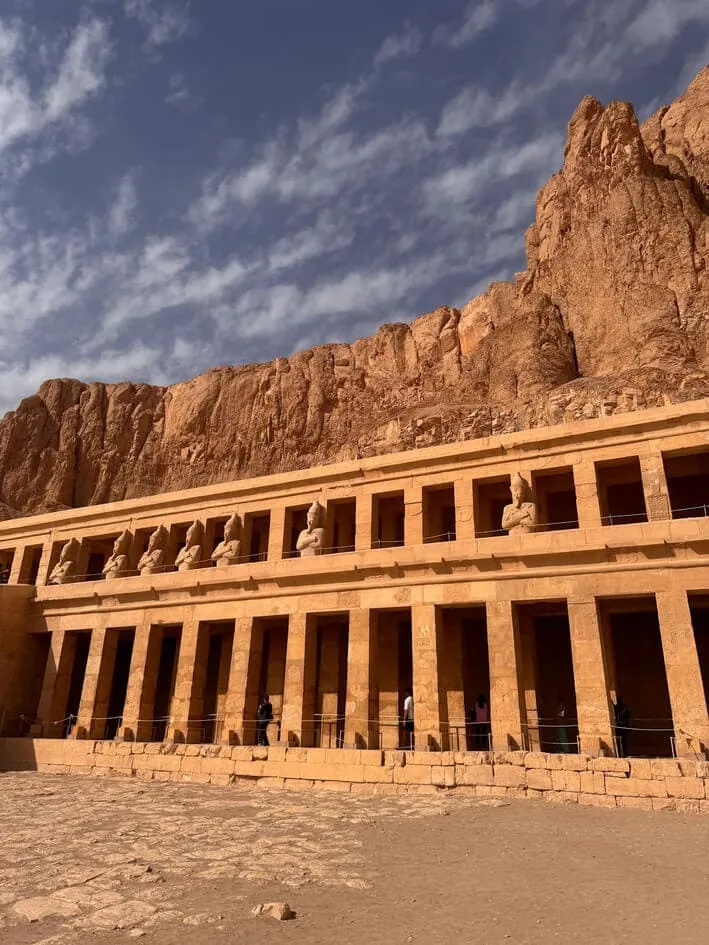
Designed by Hatshepsut’s trusted architect Senenmut, the temple was constructed against the dramatic limestone cliffs of Deir el-Bahari on Luxor’s West Bank. Its distinctive three-tiered terraces, connected by monumental ramps, represented a major innovation in ancient Egyptian architecture.
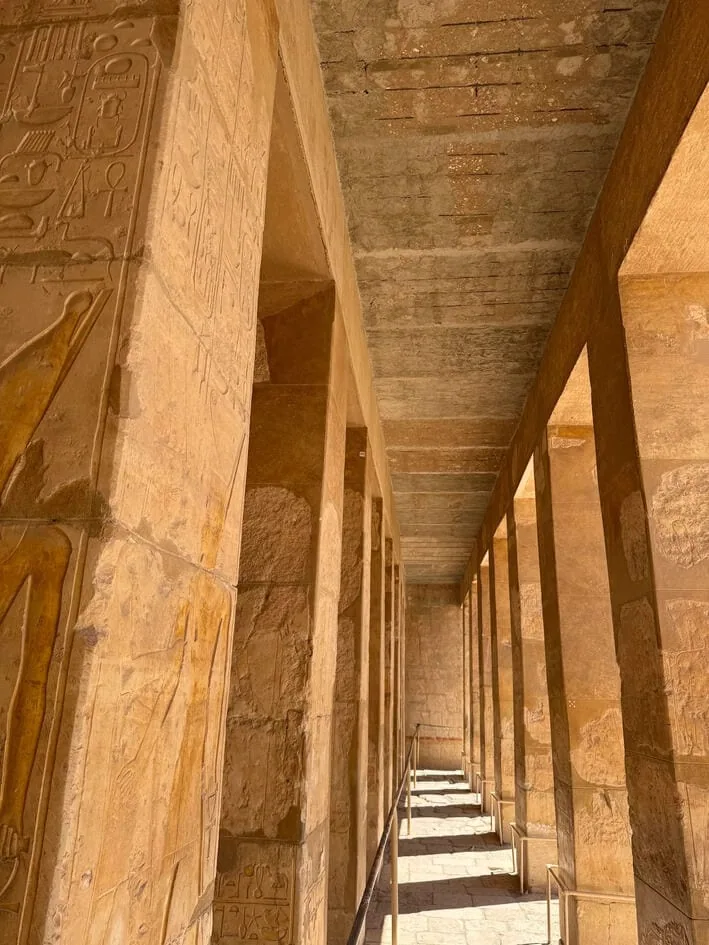
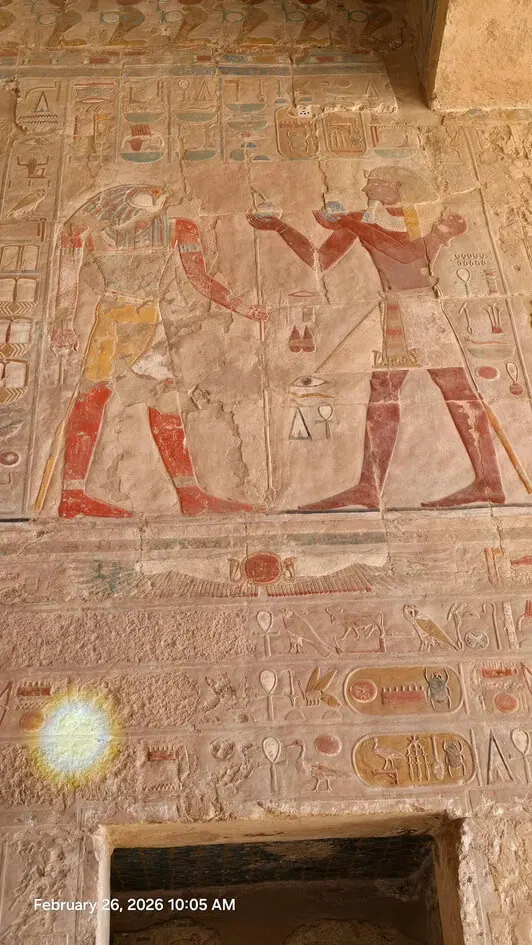
The temple formed part of the larger Theban Necropolis and served as an important religious center. Its beautifully carved reliefs depict Hatshepsut’s divine birth, coronation, and the famous expedition to the Land of Punt, offering valuable insights into ancient Egyptian trade, religion, and royal propaganda.
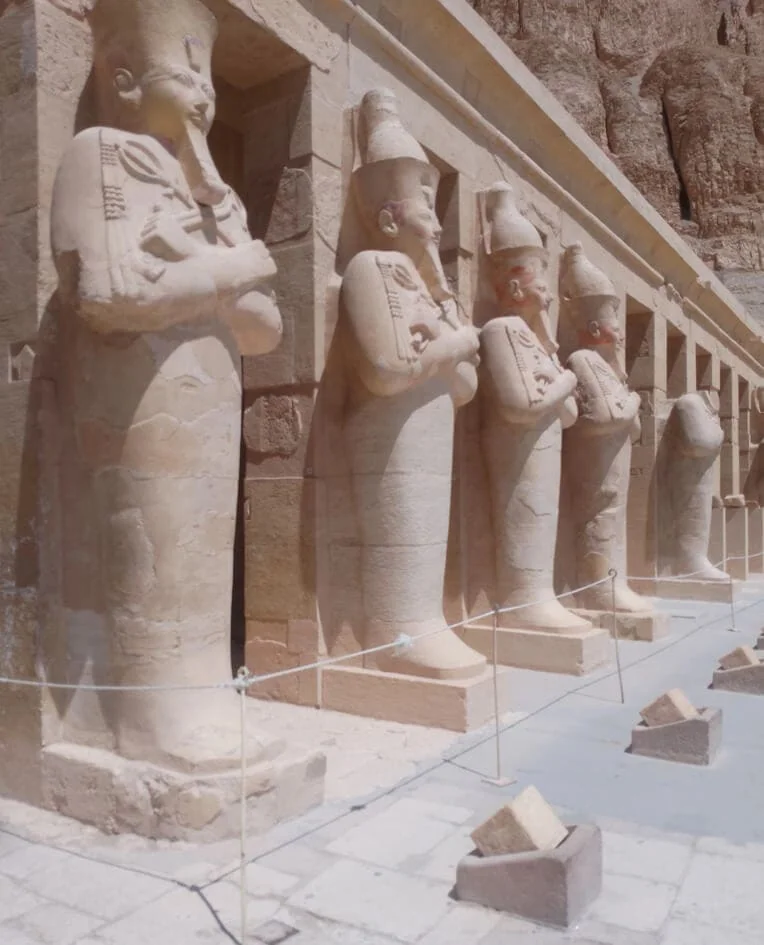
Following Hatshepsut’s death, many of her statues and inscriptions were deliberately damaged during later reigns, particularly under Thutmose III. Despite these efforts, the temple survived due to its religious significance and remarkable design, remaining one of the best-preserved monuments of ancient Egypt.
Today, the Temple of Hatshepsut is one of Luxor’s most visited archaeological attractions and a highlight of the UNESCO-listed Theban Necropolis. Its unique architecture, historical importance, and stunning cliffside setting continue to captivate visitors from around the world.

Explore the Wonders of Ancient Egypt
Book your visit to the Hatshepsut Temple and explore one of the world’s most iconic ancient landmarks.
What Makes It Extraordinary
What Makes Hatshepsut Temple Extraordinary
01
A Masterpiece Carved into the Cliffs
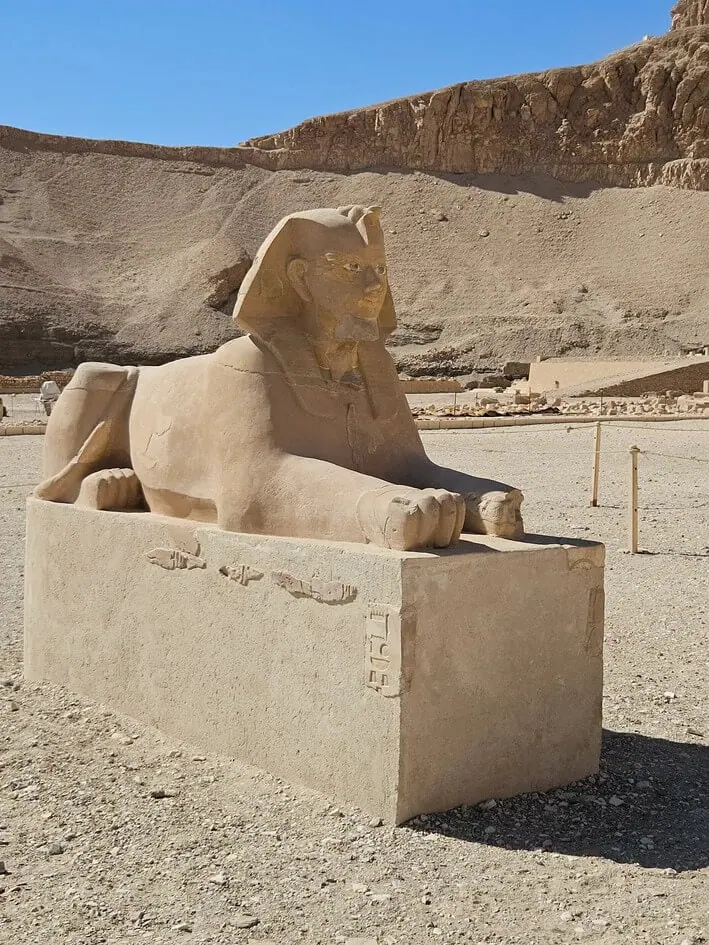
Few monuments in Egypt blend so perfectly with their natural surroundings. The temple appears to emerge directly from the towering limestone cliffs behind it, creating one of the most dramatic architectural landscapes in the ancient world.
02
Built by Egypt’s Greatest Female Pharaoh
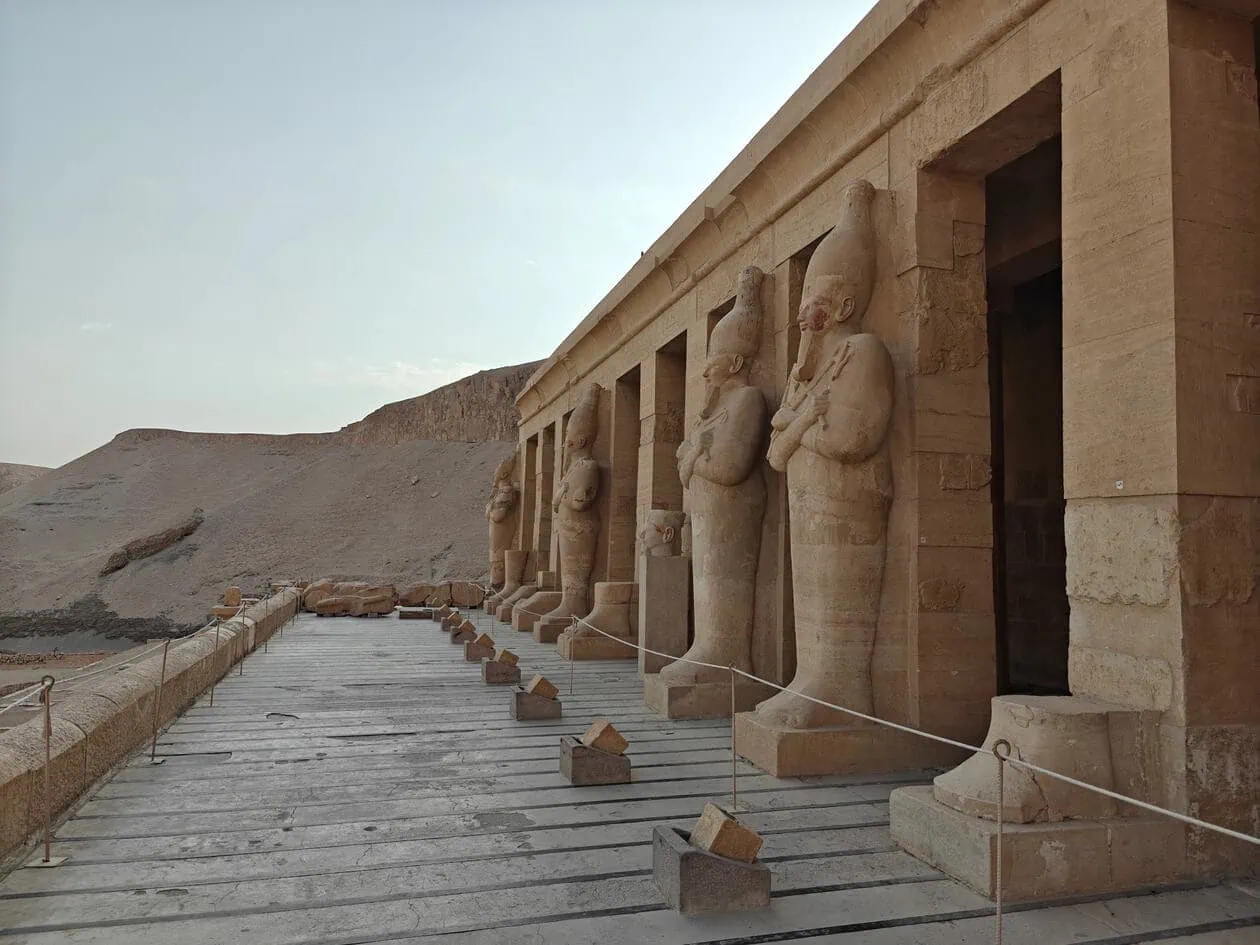
The temple celebrates the legacy of Hatshepsut, one of the very few women to rule Egypt as Pharaoh. Through its statues, inscriptions, and reliefs, the complex served as a political statement legitimizing her authority and divine right to rule.
03
Famous Reliefs of the Expedition to Punt
Among the temple’s most valuable treasures are the celebrated Punt Reliefs, which document an expedition to the mysterious Land of Punt. These scenes depict ships, exotic animals, incense trees, gold, and foreign rulers, providing one of the most detailed records of ancient international trade.
04
Revolutionary Temple Design
Unlike traditional Egyptian temples, the Queen Hatshepsut temple uses three expansive terraces connected by monumental ramps. This innovative design influenced later temple architecture and remains one of the finest examples of New Kingdom engineering.
What to See & Experience
Explore the Hatshepsut Temple
A visit to Hatshepsut Temple offers much more than beautiful architecture. Every terrace, chapel, and relief tells part of the story of Egypt’s most powerful female ruler.
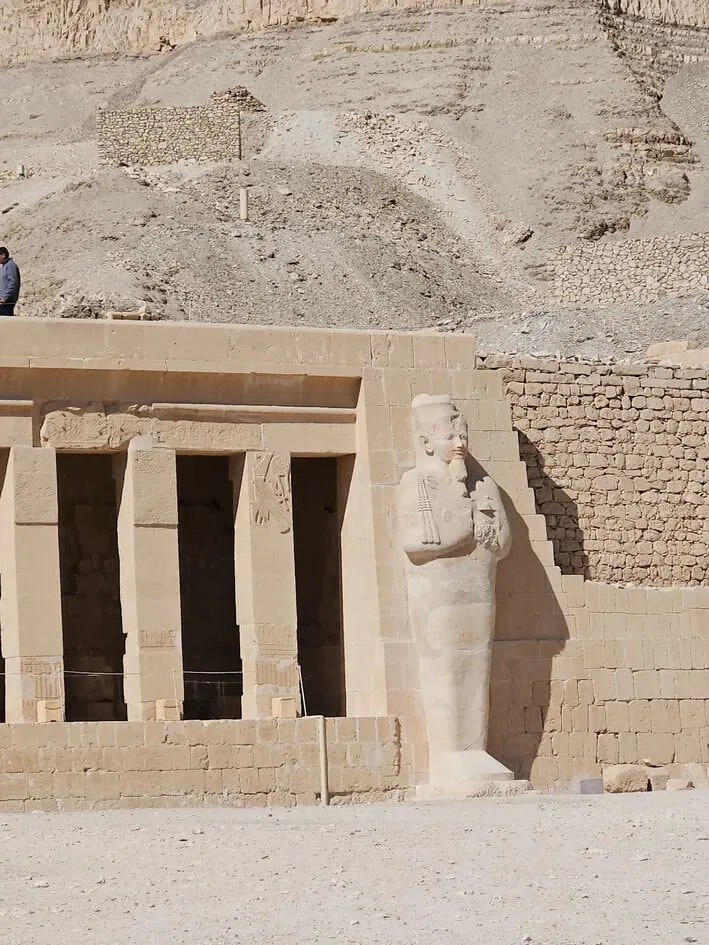
The Grand Terraces: The temple’s three magnificent terraces rise gradually toward the cliffs, connected by broad ceremonial ramps. From a distance, the structure appears perfectly symmetrical and remarkably modern despite being over 3,400 years old.
The Punt Expedition Reliefs: Located on the second terrace, these reliefs are among the most famous historical records in Egypt. They depict Hatshepsut’s successful trading expedition to Punt, showing ships, merchants, exotic goods, incense trees, and wildlife.
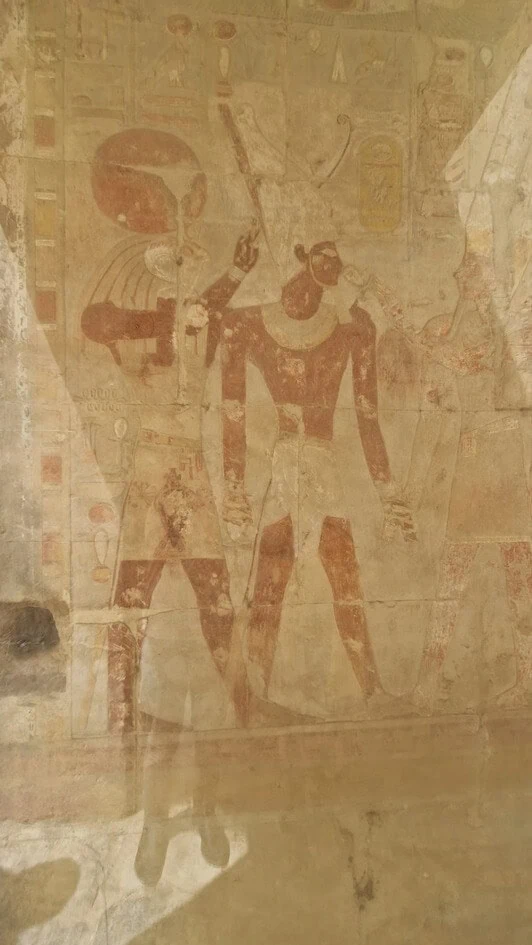
The Divine Birth Reliefs: These remarkable scenes portray Hatshepsut as the daughter of the god Amun, emphasizing her divine legitimacy as Pharaoh.
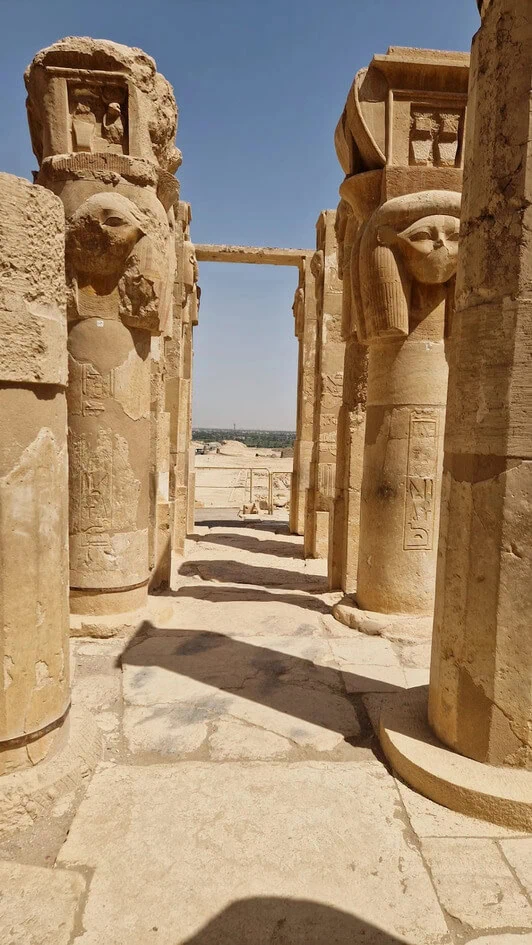
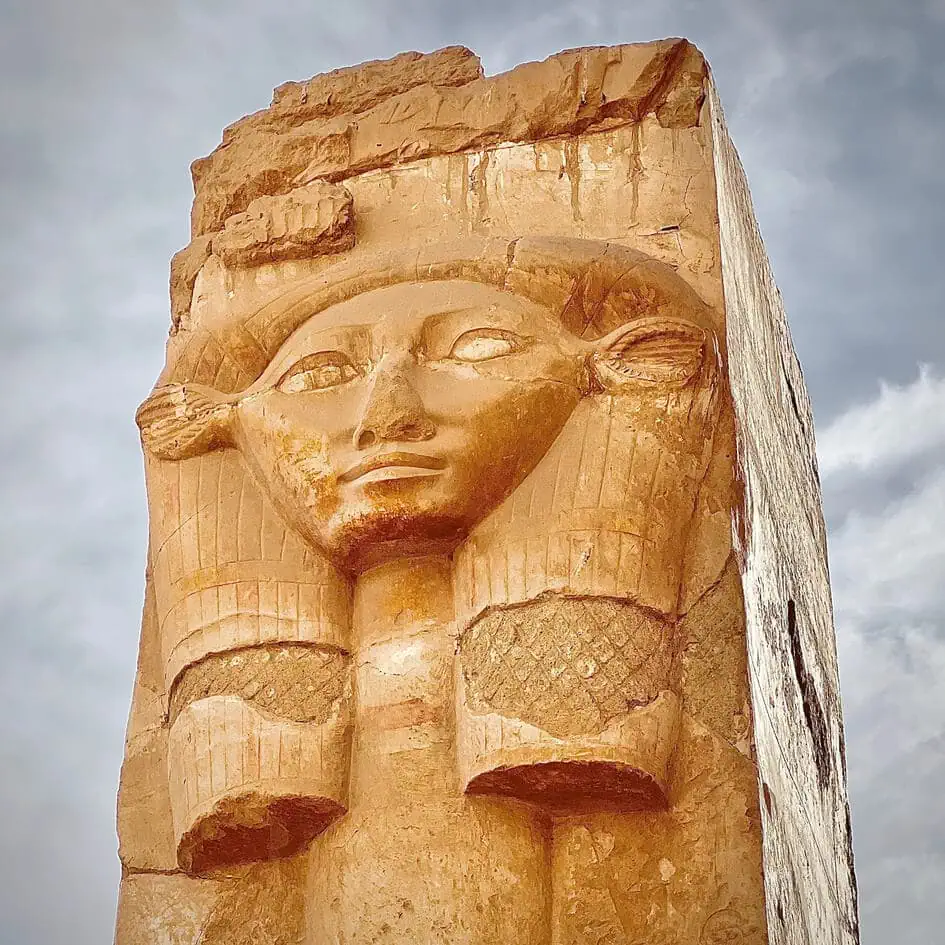
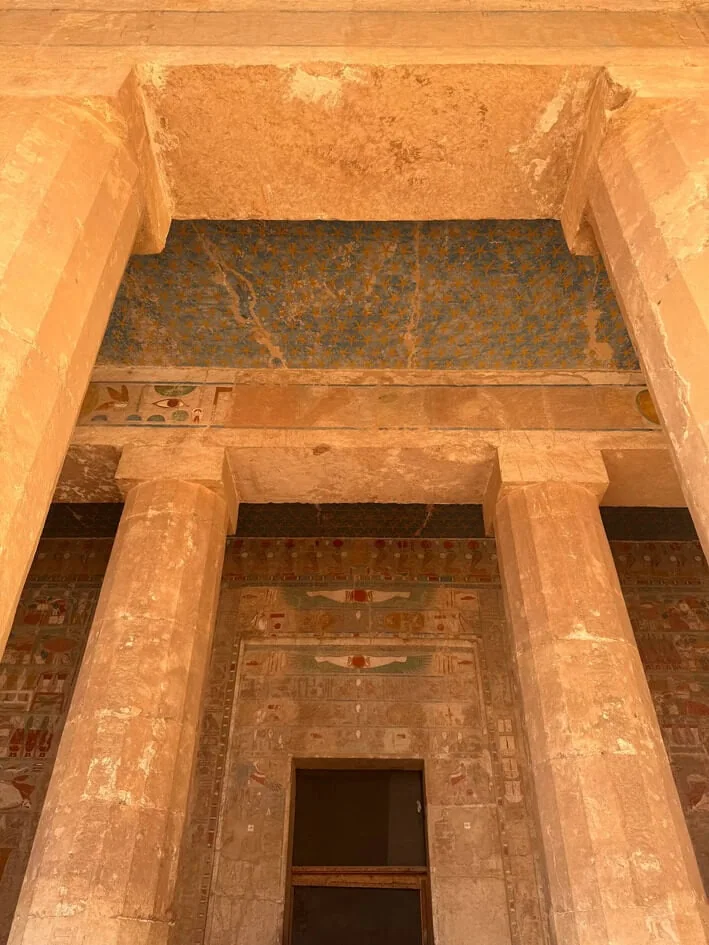
The Hathor Chapel: Dedicated to the goddess Hathor, this sanctuary contains beautiful Hathor-headed columns and religious scenes linking the queen to one of Egypt’s most revered deities.
The Anubis Chapel: This well-preserved chapel honors Anubis, the jackal-headed god associated with mummification and the afterlife.
The Upper Sanctuary of Amun: The innermost sanctuary formed the spiritual heart of the temple. During religious festivals, sacred processions would arrive here to honor Amun.
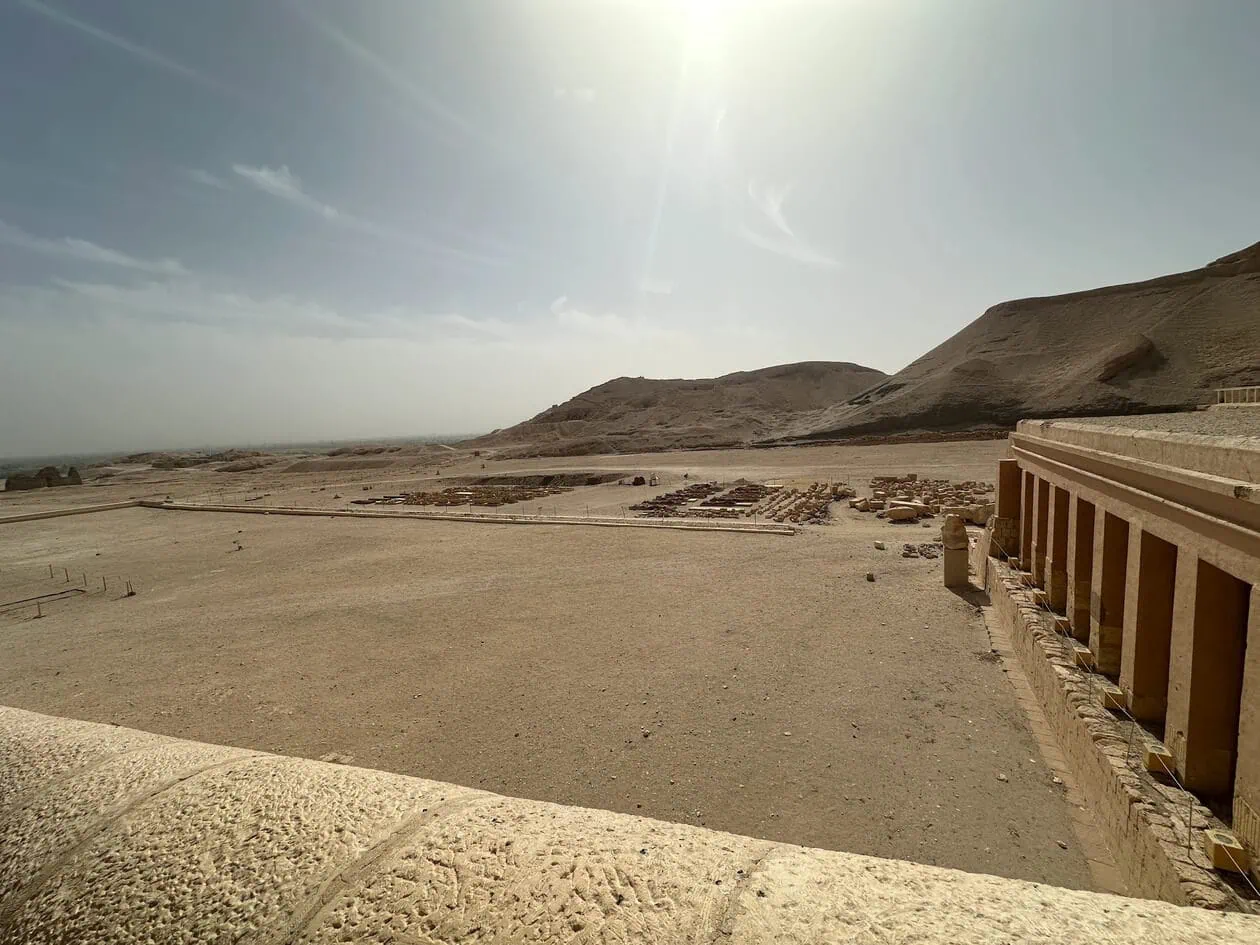
Panoramic Views of Deir el-Bahari: The upper terraces provide spectacular views across the Theban Necropolis, the Nile Valley, and surrounding desert mountains.
Why Visit
Cultural & Historical Significance
Few monuments in Egypt tell such a powerful story of leadership, ambition, religion, and legacy.
Monument to a Revolutionary Pharaoh: The temple commemorates one of history’s earliest and most successful female rulers. Through its architecture and inscriptions, it reveals how Hatshepsut transformed traditional concepts of kingship.
Symbol of New Kingdom Prosperity: The wealth displayed in the temple’s reliefs reflects a period of economic expansion, international trade, and cultural achievement that helped define the Egyptian Empire.
Religious Center of Ancient Thebes: The temple was not simply a royal monument. It functioned as an active religious center dedicated to Amun and played an important role in festivals such as the Beautiful Feast of the Valley, when sacred statues crossed the Nile to visit royal mortuary temples.
Architectural Influence: The innovative design of the mortuary temple Hatshepsut influenced later Egyptian temple construction and remains one of the most admired examples of ancient architecture worldwide.
A Testament to Historical Survival: Although later rulers attempted to erase Hatshepsut’s memory, the temple endured. Today it stands as one of the most important monuments preserving the story of female leadership in the ancient world.
Explore the Wonders of Ancient Egypt
Book your visit to the Hatshepsut Temple and explore one of the world’s most iconic ancient landmarks.
Visitor Information
Location & Access
Location: Deir el-Bahari, West Bank of Luxor, Egypt. The temple is situated within the Theban Necropolis, approximately 15–20 minutes by vehicle from central Luxor after crossing the Nile. Most visitors arrive as part of a West Bank tour that includes the Valley of the Kings.
Getting There
Daily: 6:00 AM – 5:00 PM Winter closing may occur around 4:00 PM depending on seasonal schedules.
Getting There
Ticket prices are periodically updated by the Egyptian Ministry of Tourism and Antiquities.
Approximate foreign visitor admission:
Adults: around EGP 440
Students: around EGP 220 with valid identification
Check current pricing before travel as rates may change.
Essential Tips
- Arrive early to avoid midday heat.
- Wear comfortable walking shoes.
- Bring water, sunscreen, sunglasses, and a hat.
- Allow 1.5–2 hours for a complete visit.
- Consider hiring a licensed Egyptologist guide.
- Combine your visit with the Valley of the Kings for a full West Bank experience.
FAQs
Frequently Asked Questions About Hatshepsut Temple
Who built Hatshepsut Temple?
The temple was commissioned by Pharaoh Hatshepsut during the 18th Dynasty and was designed by her chief architect and advisor, Senenmut.
Why is Hatshepsut Temple famous?
It is famous for its unique cliffside architecture, beautiful terraces, Punt Expedition reliefs, and its association with Egypt’s most successful female Pharaoh.
What does Deir el-Bahari mean?
Deir el-Bahari means “Northern Monastery” in Arabic, referring to a Coptic monastery that once occupied the area.
How old is Hatshepsut Temple?
The temple was built around 1470 BCE, making it more than 3,400 years old.
Can visitors enter the temple?
Yes. Visitors can explore most terraces, colonnades, chapels, and viewing areas, although some sections may occasionally close for conservation work.
How long should I spend at Hatshepsut Temple?
Most travelers spend between 1.5 and 2 hours exploring the site, though history enthusiasts may wish to stay longer.
Plan Your Visit
Ready to Step Inside Egypt's Royal History?
Book your cruise or tour package to ensure seamless entry, expert guidance, and the most meaningful experience at the last surviving Wonder of the Ancient World.