
Kom Ombo Temple
The Palace at a Glance
Egypt’s Remarkable Double Temple on the Nile
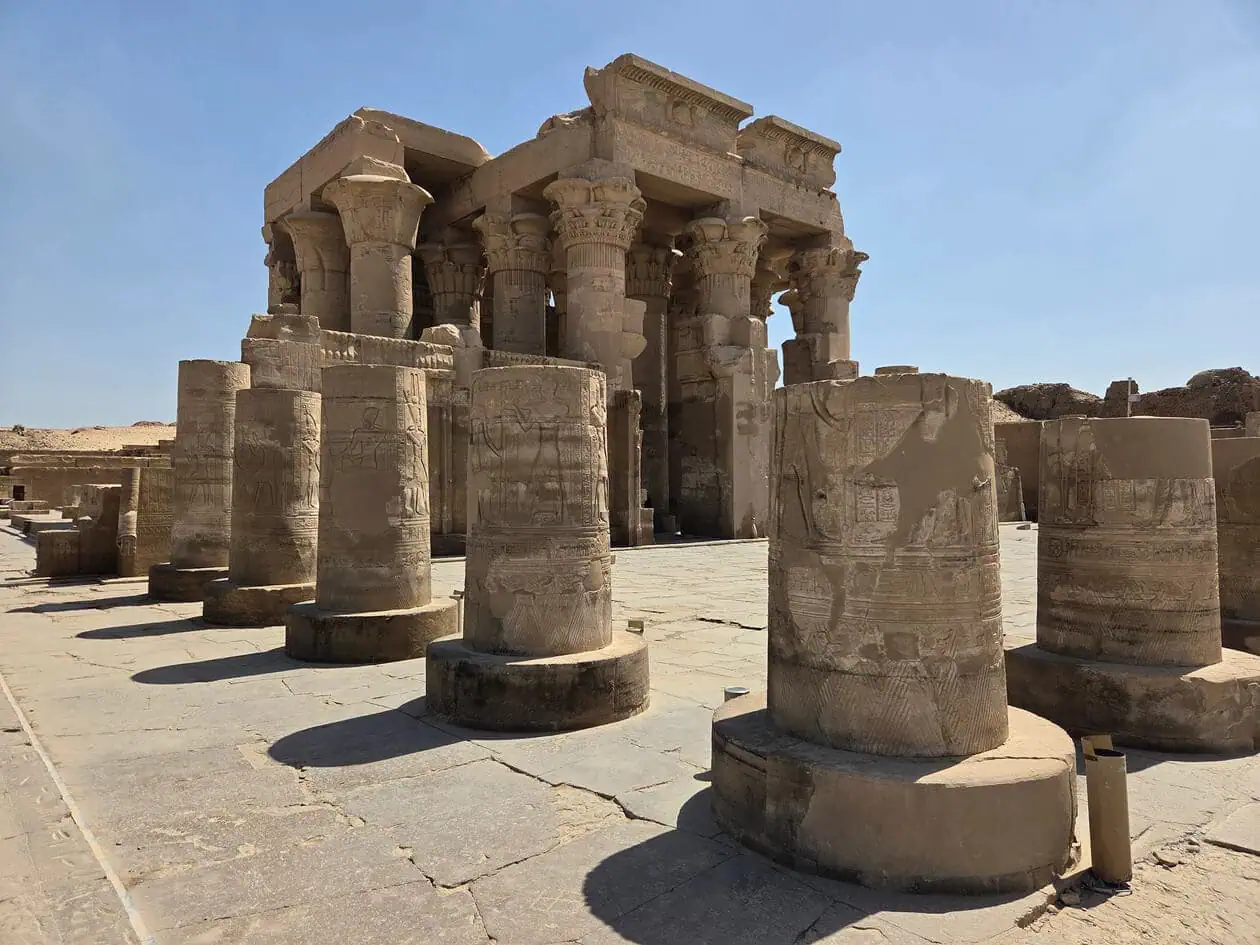
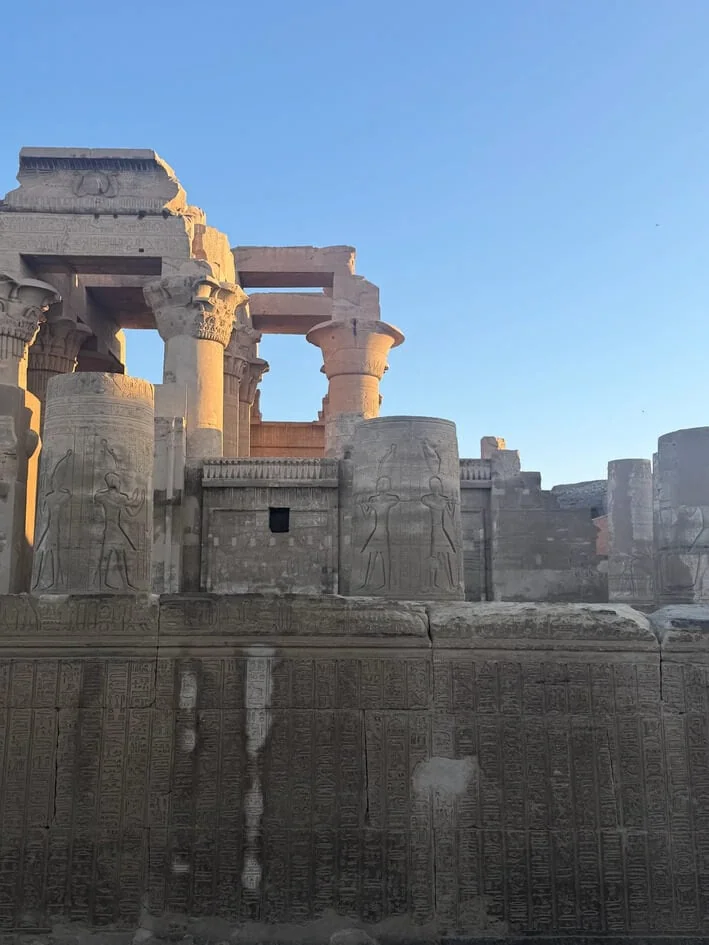
Rising above the east bank of the Nile between Aswan and Edfu, the Kom Ombo Temple is one of the most unusual and fascinating temples in Egypt. Unlike any other major Egyptian sanctuary, this extraordinary monument was designed as a perfectly symmetrical double temple, honoring two powerful deities at the same time: Sobek, the crocodile god of fertility and the Nile, and Horus the Elder (Haroeris), the falcon-headed god of kingship and protection.
Perched on a rocky promontory overlooking the river, the temple has welcomed travelers for more than 2,000 years. Today, it remains one of the highlights of any Nile cruise itinerary, admired for its unique architecture, beautifully preserved reliefs, ancient medical carvings, and fascinating Crocodile Museum.
| Official Name | Temple of Kom Ombo (Temple of Sobek and Horus the Elder) |
|---|---|
| Location | Kom Ombo, Aswan Governorate, Egypt |
| Built | c. 180–47 BCE (Ptolemaic Period) |
| Dedicated To | Sobek and Horus the Elder |
| Architectural Style | Double Temple Design |
| Site Hours | 7:00 AM – 9:00 PM (Daily) |
| Best Time to Visit | October – April |
| Distance from Aswan | Approximately 50 km north |
Historical Timeline
c. 1550–1069 BCE — Earlier New Kingdom Sanctuary
180 BCE — Construction Begins
51–47 BCE — Major Expansion
30 BCE–14 CE — Roman Additions
1893 — Restoration Efforts
Modern Era — Major Nile Cruise Destination
Historical Background
Historical Background & Timeline
Kom Ombo Temple was constructed during Egypt’s Ptolemaic Period, a time when Greek rulers governed Egypt following the conquests of Alexander the Great. While many temples of this era were built in traditional Egyptian style, Kom Ombo stands apart because of its unique dedication to two separate gods within a single structure.
The northern half of the temple was devoted to Horus the Elder (Haroeris), a powerful falcon deity associated with kingship, victory, and divine protection. The southern half honored Sobek, the crocodile god linked to fertility, military strength, and the life-giving waters of the Nile.
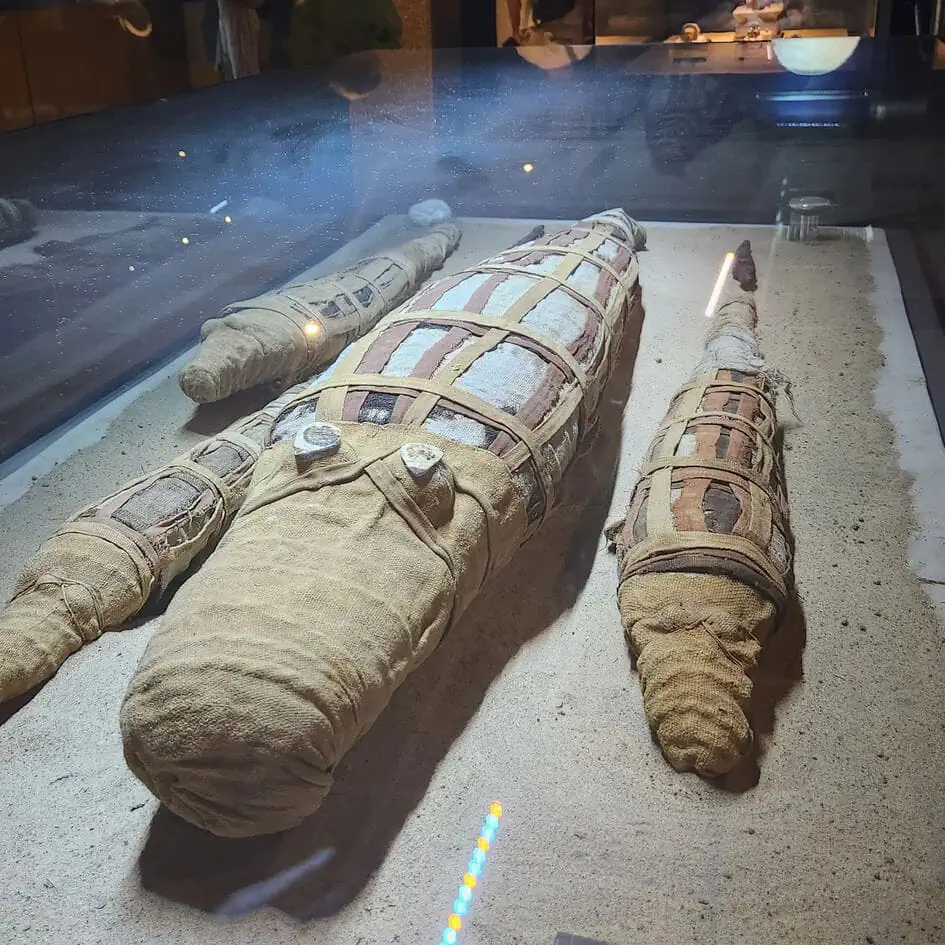
Because crocodiles were abundant in this section of the river, the worship of Sobek became especially important. Ancient priests maintained sacred crocodiles, which were revered as living manifestations of the god. After death, these animals were carefully mummified and buried in nearby necropolises.
The temple also functioned as more than a religious center. Historical evidence suggests it served as a regional administrative hub and a place of healing. Some of the temple’s most famous reliefs depict surgical instruments and medical procedures, providing rare insight into ancient Egyptian medicine.
Although portions of the complex were lost to flooding and erosion, the surviving architecture remains exceptionally well preserved, allowing visitors to explore one of the most fascinating religious monuments in Upper Egypt.

Explore the Wonders of Ancient Egypt
Book your visit to the Kom Ombo Temple and explore one of the world’s most iconic ancient landmarks.
What Makes It Extraordinary
What Makes Kom Ombo Temple Extraordinary
01
Egypt’s Only True Double Temple
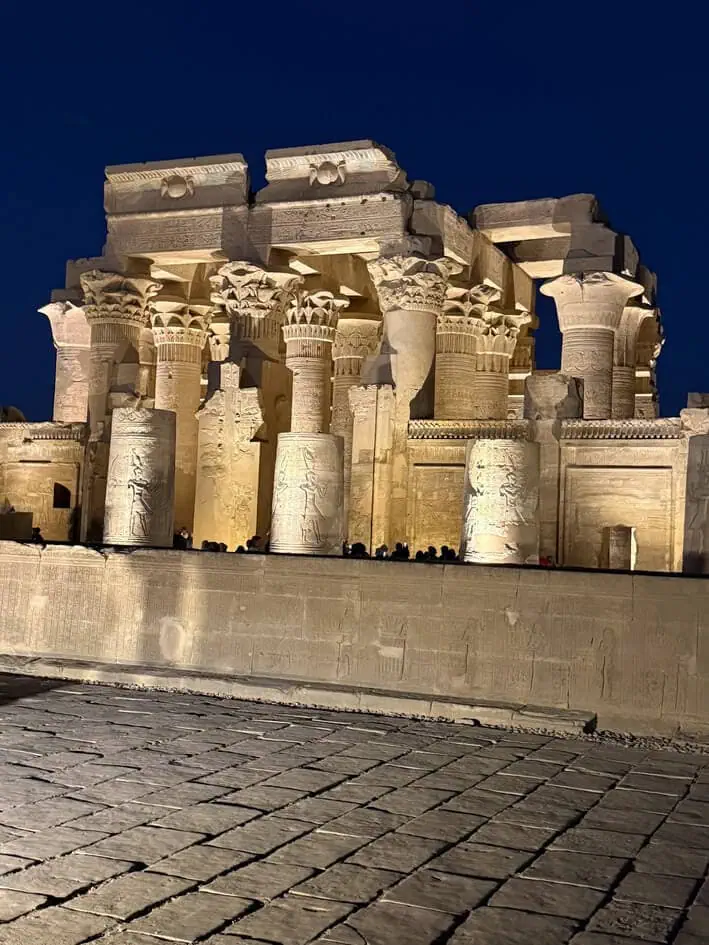
Kom Ombo is famous for its perfectly symmetrical layout. Nearly every architectural feature is duplicated, including entrances, courts, halls, sanctuaries, and chapels. One side served Sobek, while the other served Horus the Elder, creating a rare temple design unmatched elsewhere in Egypt.
02
The Temple of Sobek, God of Crocodiles
The region around Kom Ombo was once known for its sacred crocodiles. Sobek was revered as a powerful protector and fertility deity connected to the Nile’s life-giving waters. Hundreds of crocodile mummies discovered near the temple demonstrate the importance of his cult.
03
Ancient Medical Knowledge Carved in Stone
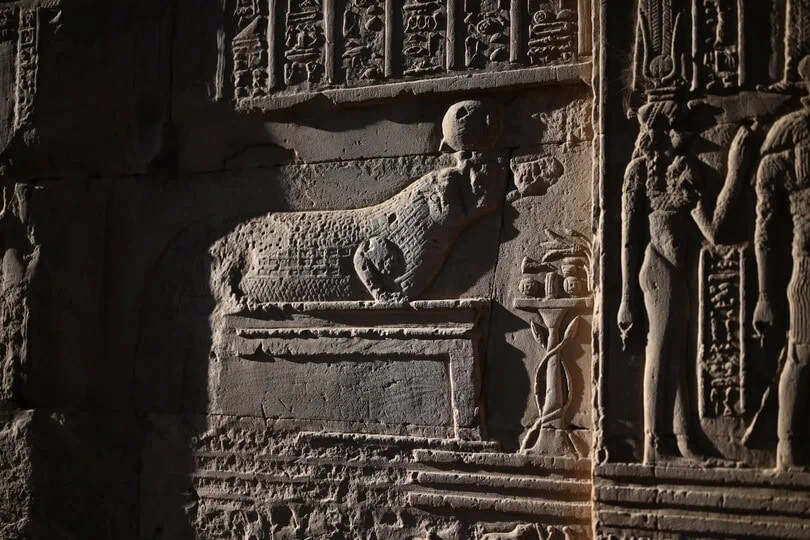
One of Kom Ombo’s most fascinating features is a series of reliefs depicting what scholars interpret as surgical instruments, including scalpels, forceps, and medical tools. These carvings provide rare insight into the sophistication of ancient Egyptian medicine and healing practices.
04
A Spectacular Riverside Setting
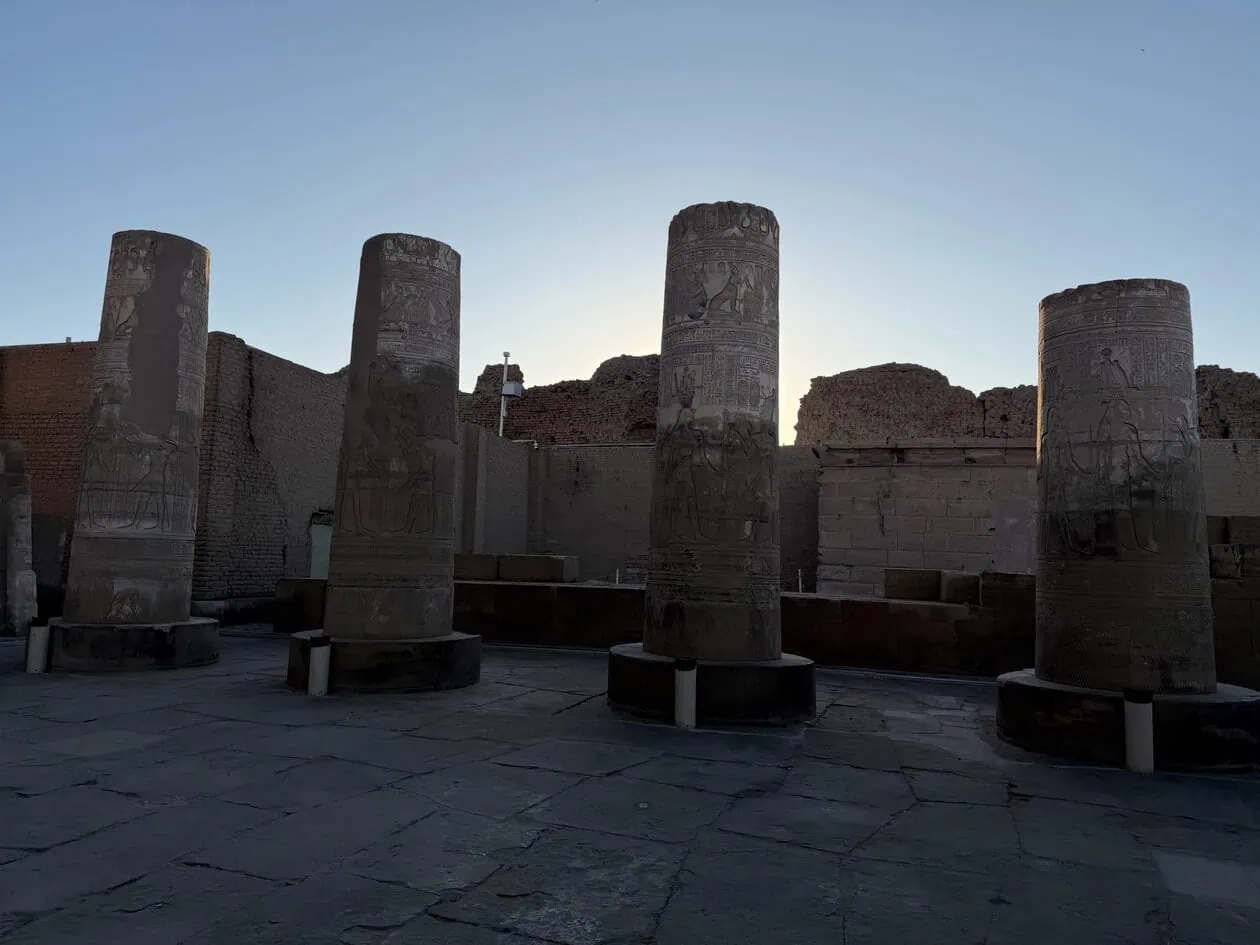
Unlike many Egyptian temples situated inland, Kom Ombo stands directly beside the Nile. Its elevated position offers stunning views across the river, especially during sunset when golden light illuminates the temple’s columns and reliefs. Night illumination further enhances the atmosphere, making evening visits particularly memorable.
What to See & Experience
Explore the Kom Ombo Temple Experience
Explore One of Egypt’s Most Unique Temples: A visit to Kom Ombo Temple offers far more than a simple walk through ancient ruins.
The Twin Entrances: Begin your journey through the remarkable dual gateways that symbolize the temple’s dedication to two gods. The symmetry becomes immediately apparent and continues throughout the monument.
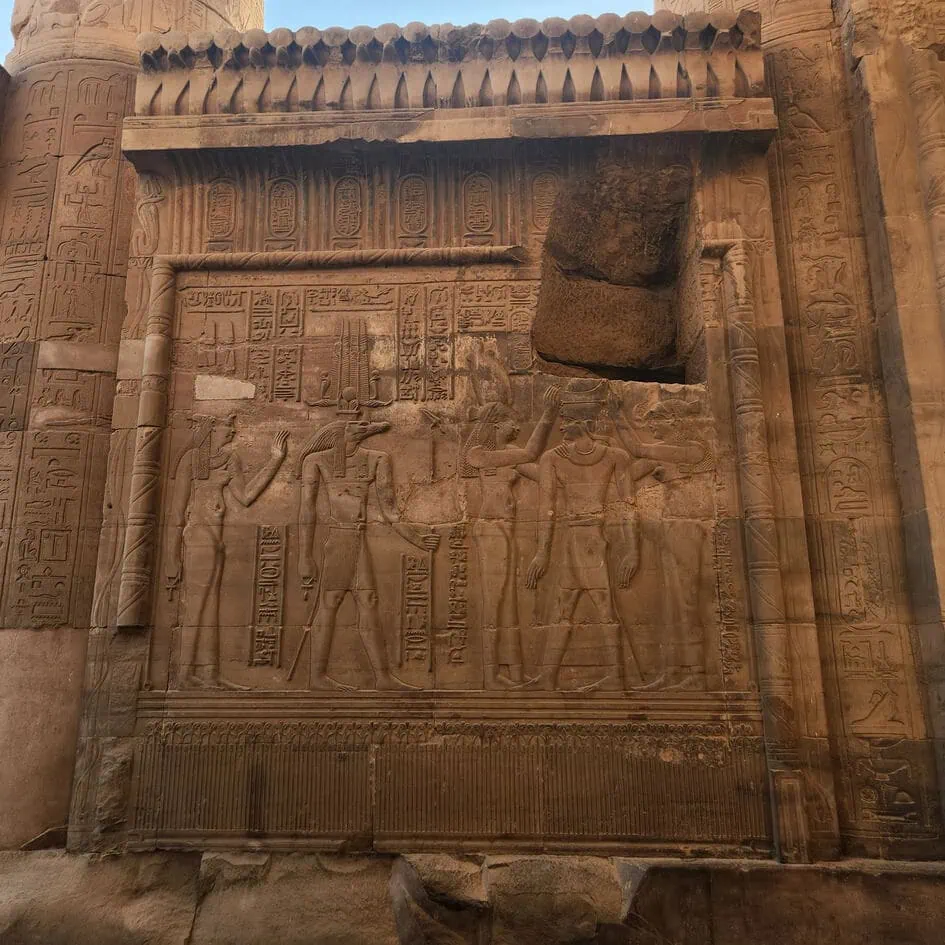
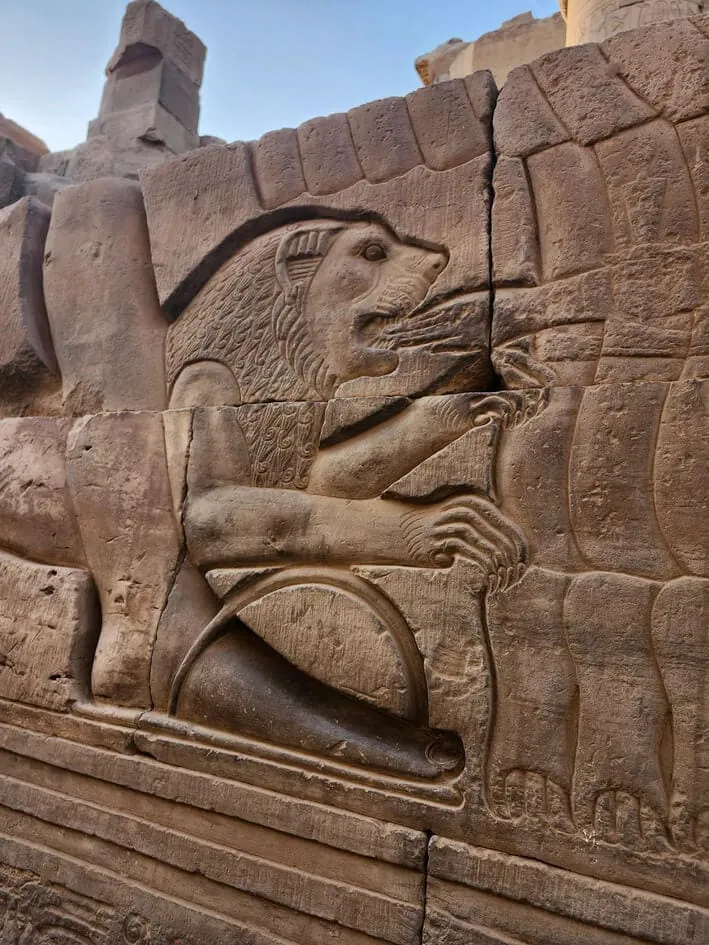
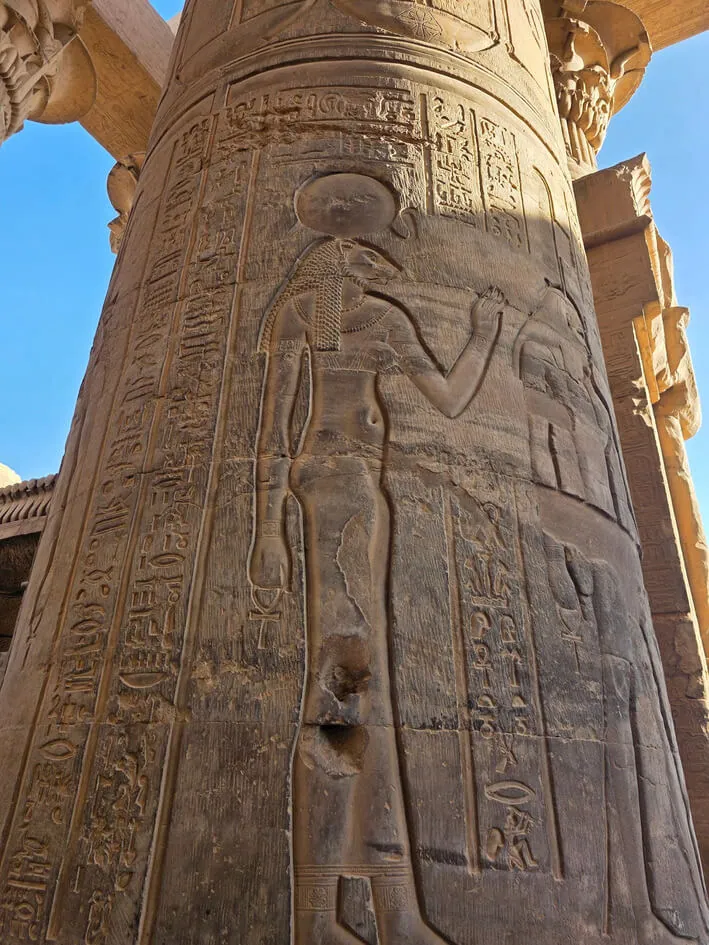
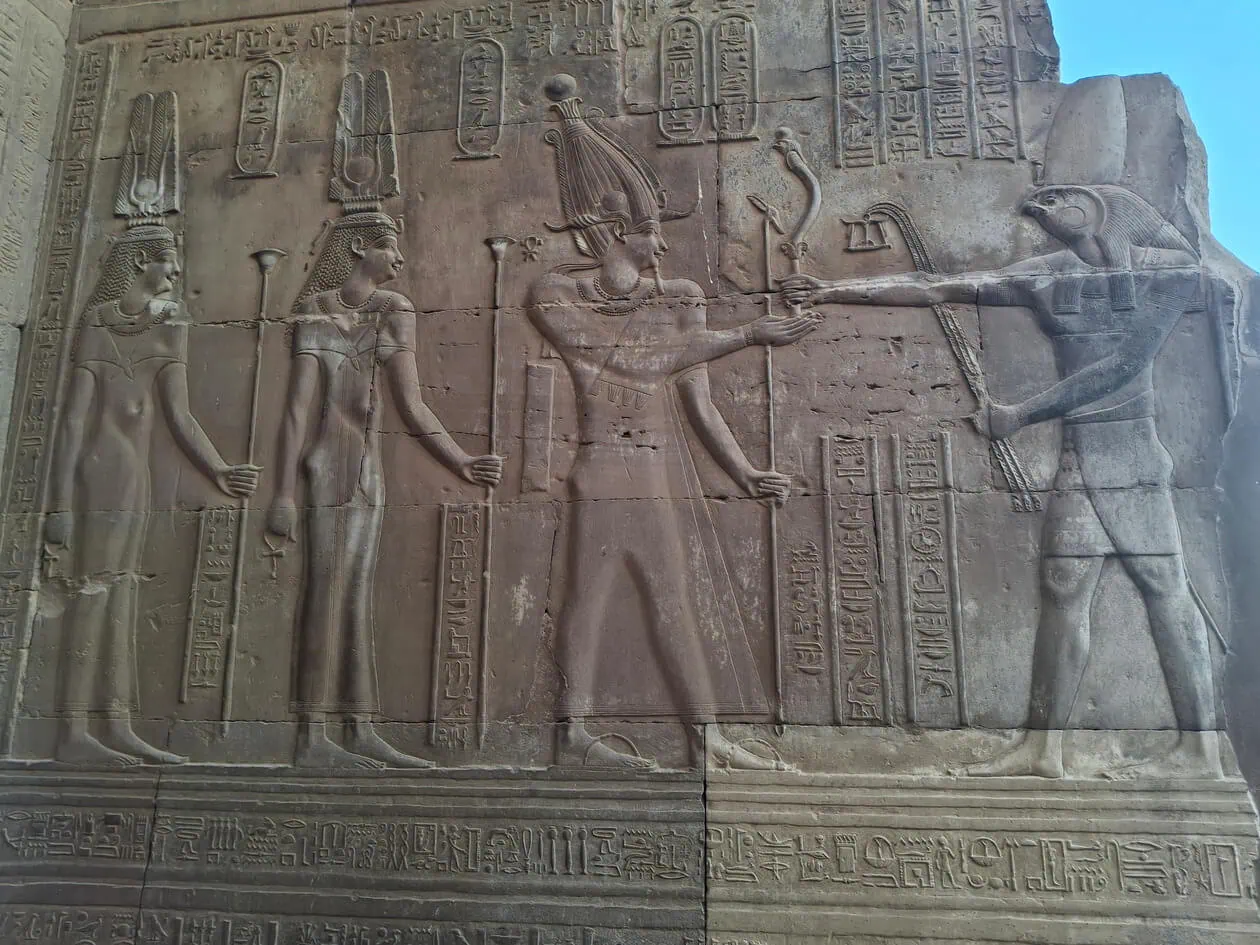
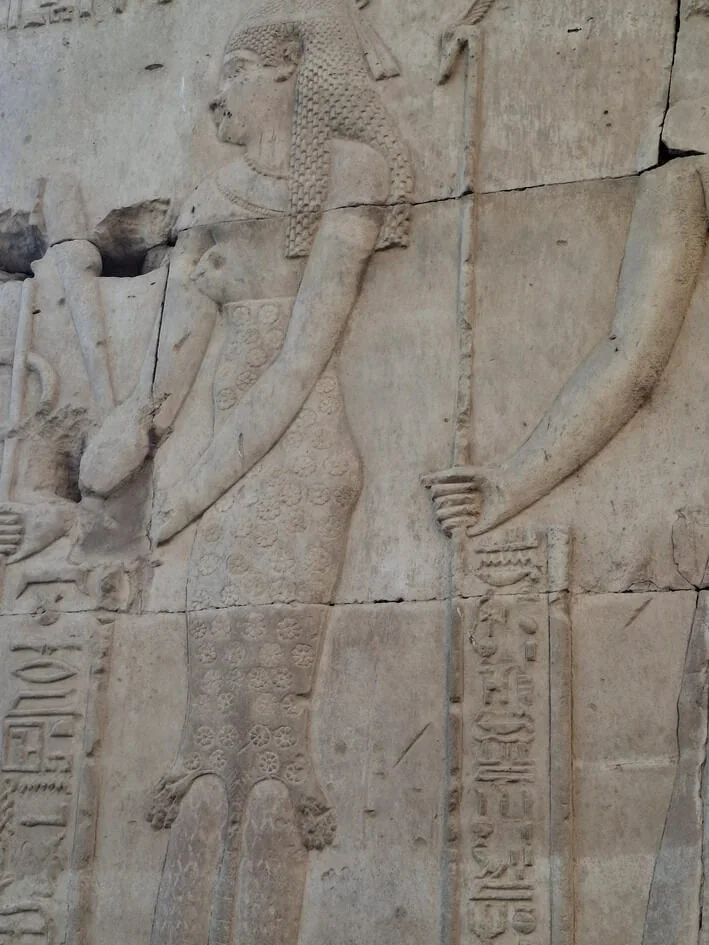
The Hypostyle Halls: Admire towering columns decorated with intricate reliefs showing Ptolemaic rulers presenting offerings to Sobek and Horus. Many carvings remain remarkably well preserved.
The Inner Sanctuaries: The temple culminates in two separate sanctuaries, each dedicated to one of its principal deities. This rare arrangement reflects the equal importance of both cults.
The Medical Reliefs: Look for the famous wall carvings believed to represent ancient surgical instruments and healing tools. These scenes make Kom Ombo one of Egypt’s most interesting archaeological sites for the history of medicine.
The Ancient Nilometer: Near the temple entrance, visitors can see the stone Nilometer used to measure annual flood levels of the Nile. These measurements helped determine agricultural taxes and forecast harvests.
The Crocodile Museum: Included with admission, the museum houses dozens of mummified crocodiles discovered in nearby burial grounds. It offers valuable insight into the worship of Sobek and is often considered one of the highlights of the visit.
Sunset and Night Illumination: Many travelers recommend visiting late in the afternoon or after dark. The illuminated columns and reliefs create a dramatic atmosphere that is very different from daytime exploration.
Why Visit
Cultural & Historical Significance
A Temple Unlike Any Other in Egypt: Kom Ombo occupies a unique place in Egypt’s religious and architectural history.
A Symbol of Religious Balance: The temple celebrates two distinct divine powers. Sobek represented fertility, protection, and the life-giving Nile, while Horus embodied kingship, order, and divine authority. Their shared sanctuary illustrates how different religious traditions coexisted within ancient Egyptian society.
Evidence of Advanced Ancient Medicine: The famous surgical reliefs offer rare archaeological evidence of medical knowledge in ancient Egypt. Few temples preserve such detailed depictions of healing practices and medical instruments.
An Important Ptolemaic Monument: While many of Egypt’s iconic monuments date to the Old and New Kingdoms, Kom Ombo provides an exceptional example of architecture from the Ptolemaic era, when Egyptian and Greco-Roman influences merged.
A Key Stop Along the Nile: For centuries, Kom Ombo served as a religious, commercial, and strategic center connecting Egypt with Nubia. Today it remains one of the most important archaeological sites between Luxor and Aswan.
A Living Connection to Ancient Beliefs; From sacred crocodiles and healing rituals to flood measurement and royal worship, Kom Ombo reveals how religion shaped everyday life along the Nile. The temple continues to provide valuable insights into one of the world’s greatest civilizations.

Explore the Wonders of Ancient Egypt
Book your visit to the Kom Ombo Temple and explore one of the world’s most iconic ancient landmarks.
Visitor Information
Location & Access
Kom Ombo, Aswan Governorate, Egypt
Located approximately 50 km north of Aswan and easily accessible by road or Nile cruise.
Getting There
From Aswan: 45–60 minutes by car or tour vehicle.
Regular Nile cruise excursions stop here.
From Luxor: Usually visited as part of multi-day Nile cruise itineraries.
Ticket Pricing
Approximate ticket prices may vary periodically:
- Foreign Adult: EGP 450
- Foreign Student: EGP 225
- Egyptian/Arab Adult: EGP 40
- Egyptian/Arab Student: EGP 20
Always verify current pricing before visiting.
Essential Tips
- Visit at sunset for the best photography and cooler temperatures.
- Evening illumination provides a spectacular atmosphere.
- Allow 1–2 hours to fully explore the temple and museum.
- Include the Crocodile Museum in your visit—it is part of the experience.
- Wear comfortable walking shoes; some surfaces are uneven.
- Expect crowds when Nile cruise ships arrive.
- Be prepared for persistent vendors near the exit market area.
FAQs
Frequently Asked Questions About the Kom Ombo Temple
What is Kom Ombo Temple famous for?
Kom Ombo Temple is famous for being Egypt’s only surviving double temple, dedicated to both Sobek, the crocodile god, and Horus the Elder, the falcon god.
Where is Kom Ombo Temple located?
The temple is located in Kom Ombo, approximately 45 kilometers north of Aswan on the eastern bank of the Nile River.
Who built Kom Ombo Temple?
Construction began under Ptolemy VI Philometor during the Ptolemaic Dynasty and was expanded by later Ptolemaic and Roman rulers.
Why were crocodiles important at Kom Ombo?
Crocodiles were associated with Sobek, the god believed to control the Nile’s power, fertility, and protection. Sacred crocodiles were worshipped and later mummified.
Can you visit the Crocodile Museum?
Yes. The Crocodile Museum is located adjacent to the temple and is typically included with the site admission ticket.
When is the best time to visit Kom Ombo Temple?
The best time to visit is between October and April, particularly during sunset or early evening when temperatures are cooler and the temple is beautifully illuminated.
Plan Your Visit
Ready to Step Inside Egypt's Royal History?
Book your cruise or tour package to ensure seamless entry, expert guidance, and the most meaningful experience at the last surviving Wonder of the Ancient World.