
Philae Temple (Temple of Isis)
The Temple at a Glance
The Last Great Temple of Ancient Egyptian Religion
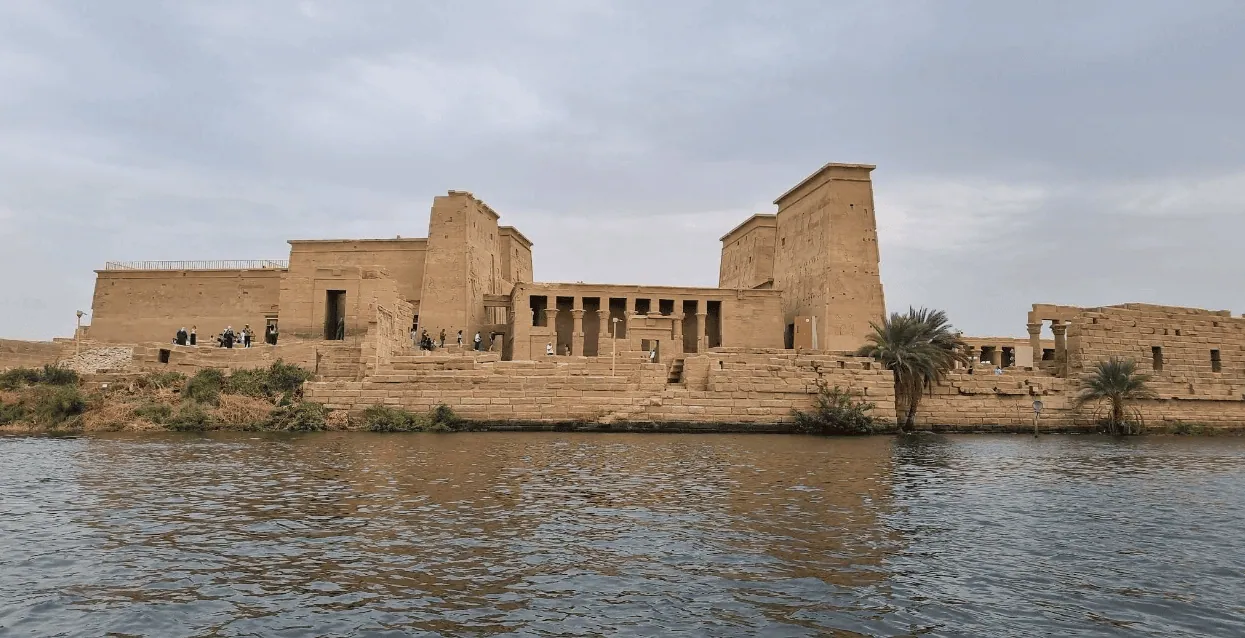
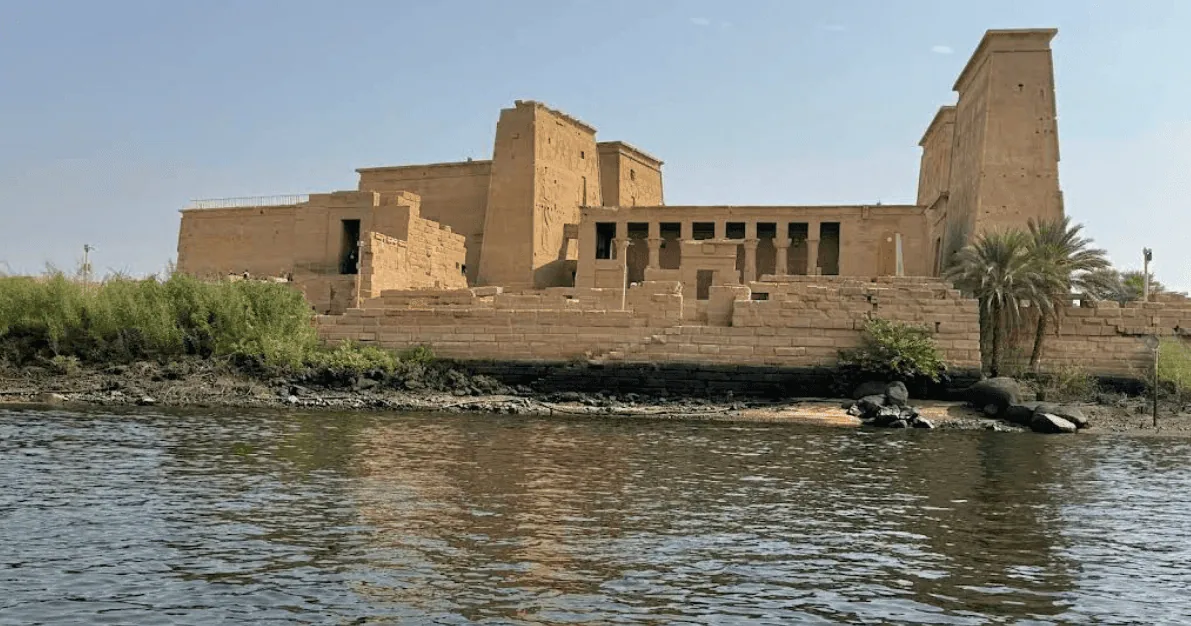
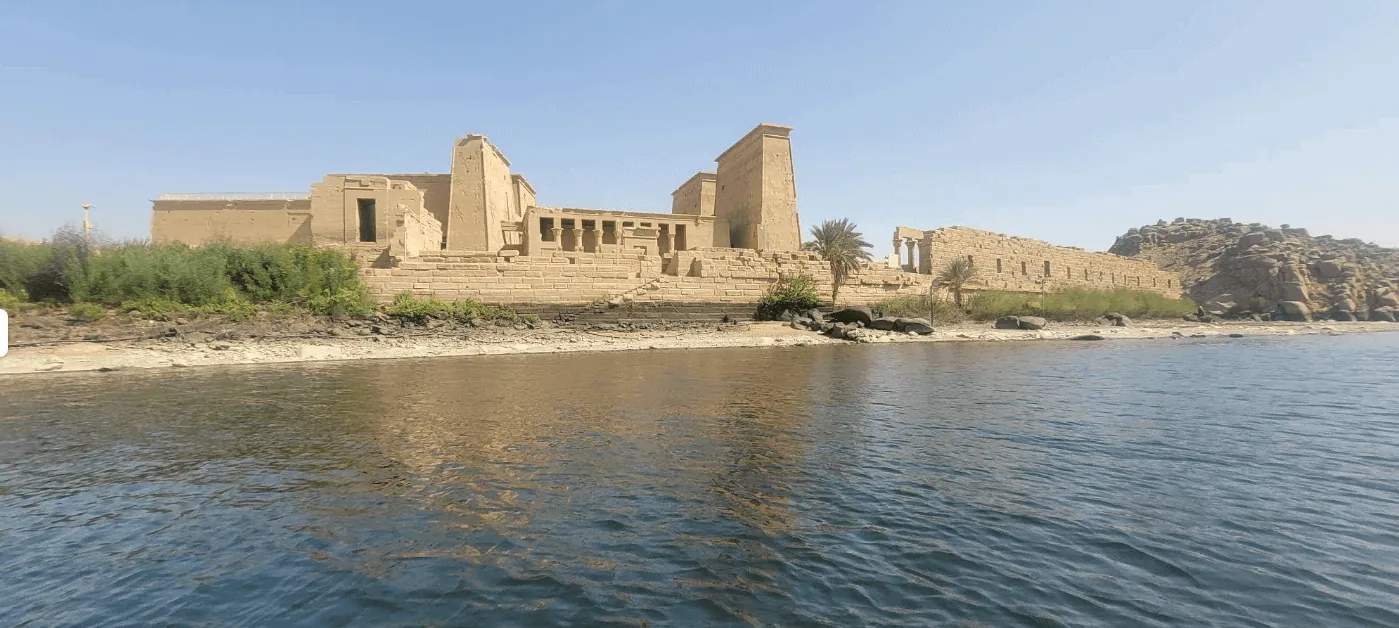
The Philae Temple, widely known as the Temple of Isis, is one of Egypt’s most enchanting and spiritually significant ancient monuments. Located near Aswan in southern Egypt, the temple once stood on Philae Island before being carefully relocated to Agilkia Island to save it from rising Nile waters caused by the Aswan High Dam project.
Dedicated primarily to Isis, the goddess of magic, healing, motherhood, and protection, the temple complex is a masterpiece of Ptolemaic and Roman-era Egyptian architecture. Today, it is considered one of the most beautifully preserved temple sites in Egypt and a key highlight of any visit to Philae Aswan.
Philae was not only a sacred sanctuary but also an important cultural hub where religion, politics, and commerce intersected. Its inscriptions, reliefs, and sanctuaries preserve centuries of ancient Egyptian devotion and artistic evolution.
| Field | Details |
|---|---|
| Official Name | Philae Temple (Temple of Isis) |
| Location | Agilkia Island, Aswan, Egypt |
| Built | c. 380 BC – 340 AD |
| Dedicated To | Goddess Isis |
| Relocated | 1960s (UNESCO rescue project) |
| Site Hours | 7:00 AM – 4:00 PM (Daily, varies seasonally) |
| Best Time to Visit | October – April |
Historical Timeline
- c. 690–664 BC: Early religious activity and smaller shrine structures
- 305–30 BC: Major expansion under Ptolemaic rulers, temple of Isis formalized
- 30 BC–AD 300: Roman additions and continued pilgrimage importance
- 4th–6th century AD: Decline with the spread of Christianity in Egypt
- 1960s: UNESCO-led relocation to Agilkia Island due to Aswan High Dam
Historical Background
Historical Background & Timeline
The origins of Philae Temple date back to the 25th Dynasty (c. 690–664 BC), when a smaller shrine likely existed on Philae Island. However, the monumental temple complex visible today was developed mainly during the Ptolemaic Dynasty (305–30 BC) and later expanded under Roman rule.
Philae was not just a religious sanctuary—it was a strategic cultural gateway between Egypt and Nubia. Its name, meaning “the end” in ancient Egyptian, reflects its position at the southern frontier of the empire.
During the Ptolemaic era, rulers invested heavily in expanding the temple, constructing pylons, courtyards, sanctuaries, and chapels dedicated to Isis and other deities such as Hathor and Horus. The Romans later continued adding inscriptions and architectural elements, reinforcing the temple’s importance as a spiritual center.
For centuries, Philae remained active as a pilgrimage site where worshippers sought healing and divine blessings from Isis. Even after Christianity spread across Egypt, the temple continued functioning as one of the last strongholds of ancient pagan worship until it was gradually abandoned in the 4th–6th centuries AD.
A defining moment in its modern history came in the 1960s, when the construction of the Aswan High Dam threatened to submerge the temple permanently. In response, UNESCO launched a global rescue mission, carefully dismantling and reconstructing the entire complex on nearby Agilkia Island.

Explore the Wonders of Ancient Egypt
Book your visit to the Philae Temple and explore one of the world’s most iconic ancient landmarks.
What Makes It Extraordinary
What Makes Philae Temple Extraordinary
01
Sacred Center of Isis Worship
The temple is the most important surviving sanctuary dedicated to Isis, one of ancient Egypt’s most powerful goddesses. Pilgrims traveled from across the Mediterranean world to seek healing, protection, and divine blessings. Myths of Isis and Osiris are deeply embedded in the temple’s reliefs and sanctuaries.
02
Stunning Greco-Roman Egyptian Fusion
Unlike earlier purely Pharaonic temples, Philae reflects a rare blend of Egyptian, Greek, and Roman architectural styles. Columns with floral capitals, ornate pylons, and detailed carvings show how different cultures merged under the Ptolemaic and Roman empires.
03
One of UNESCO’s Greatest Rescue Projects
In the 1960s, rising waters from the Aswan High Dam threatened to permanently submerge the temple. In a historic international effort led by UNESCO, the entire complex was dismantled, block by block, and reconstructed on Agilkia Island—a landmark achievement in archaeological preservation.
04
Rich Mythological Reliefs and Inscriptions
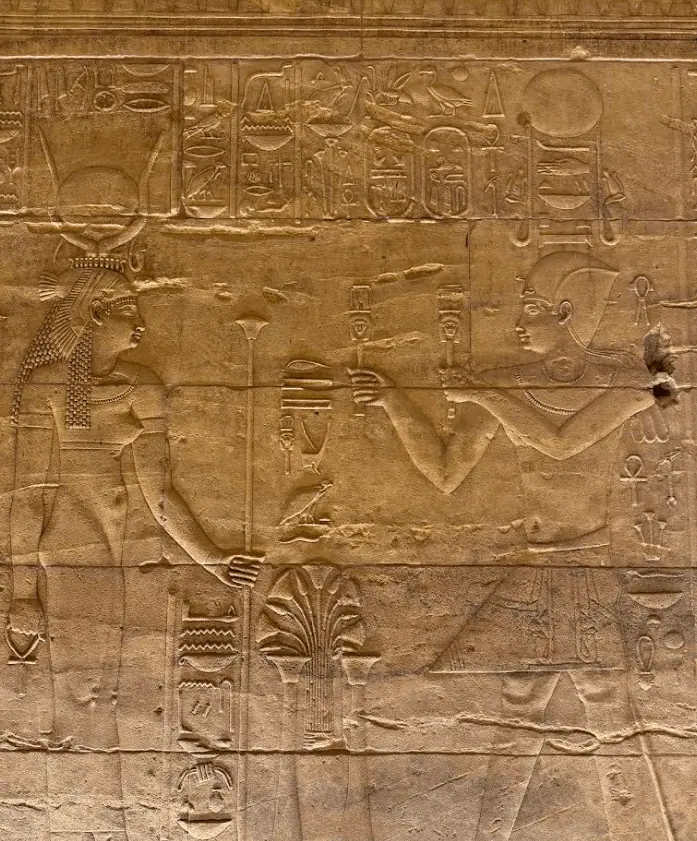
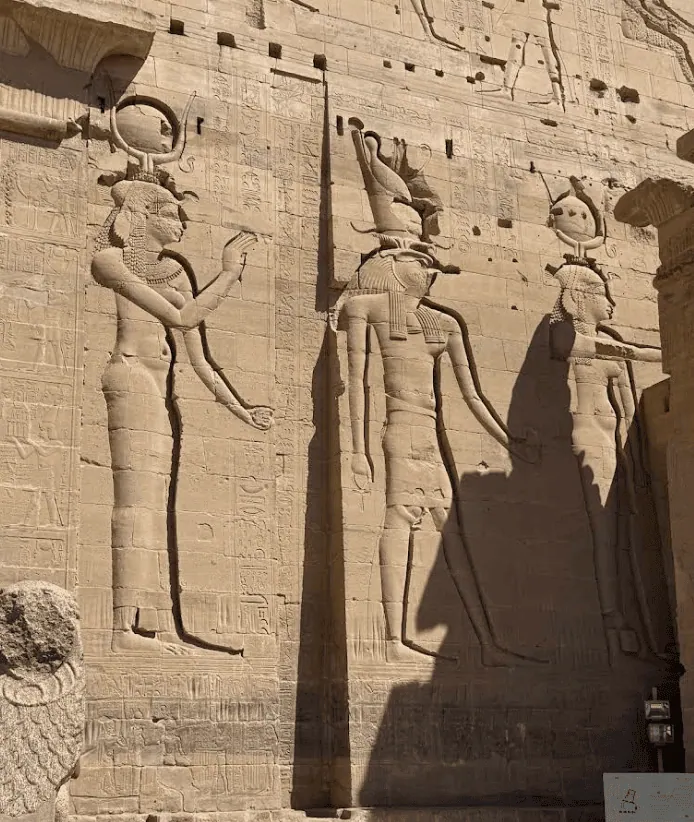
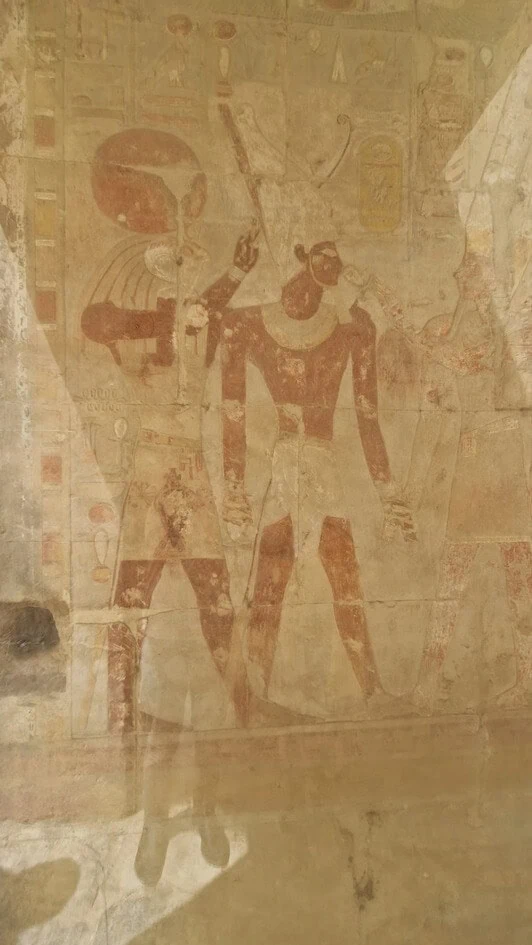
The temple walls are covered with vivid carvings depicting Isis resurrecting Osiris, offering rituals to gods, and scenes of royal devotion. These inscriptions provide valuable insight into ancient Egyptian religion, daily life, and royal propaganda during the Ptolemaic and Roman eras.

What to See & Experience
Explore the Philae Temple Experience
A visit to Philae Temple Aswan offers a deeply immersive journey into ancient Egyptian spirituality and architecture.
The First Pylon Entrance: The grand entrance gateway is decorated with monumental reliefs showing Ptolemaic kings presenting offerings to the gods. This towering structure sets the tone for the sacred experience inside.
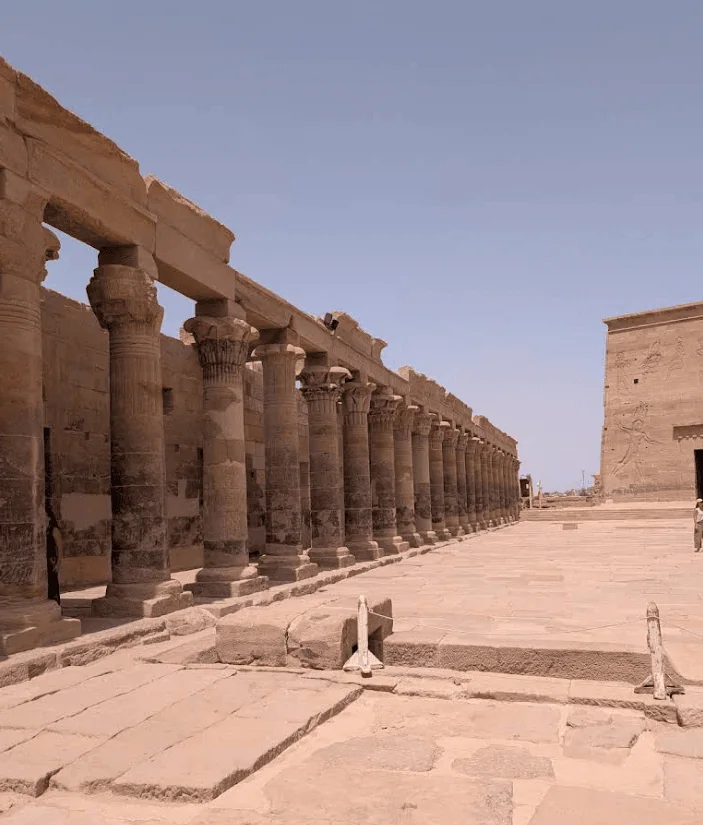
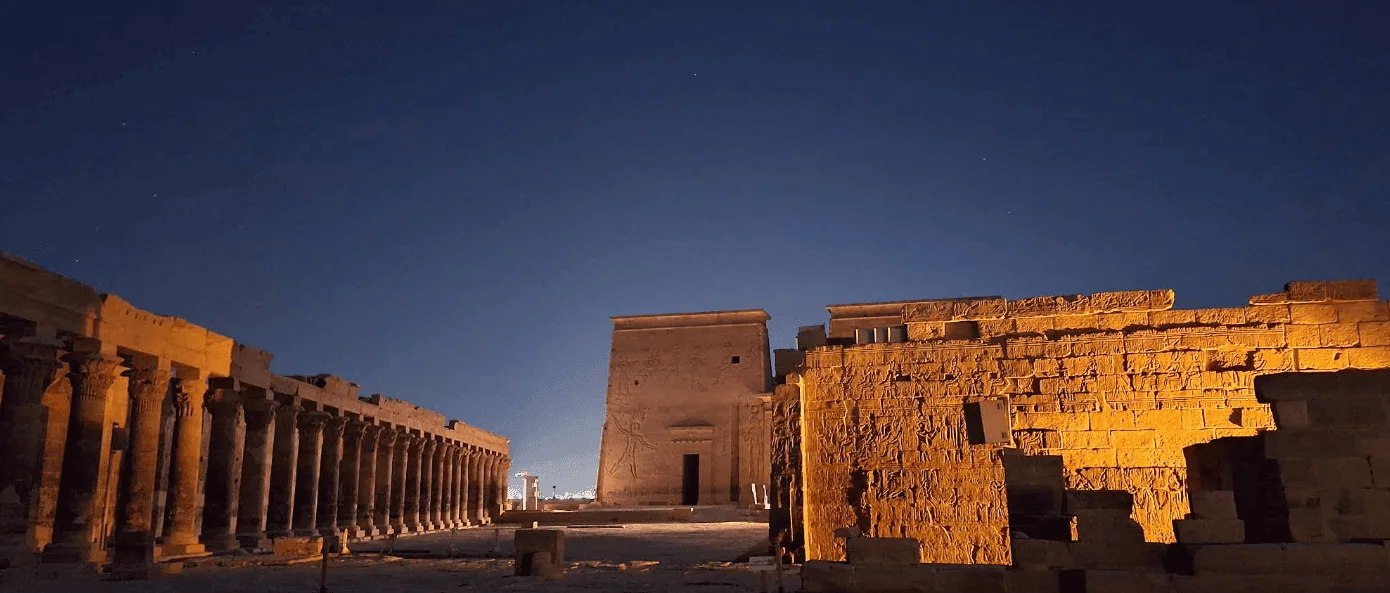
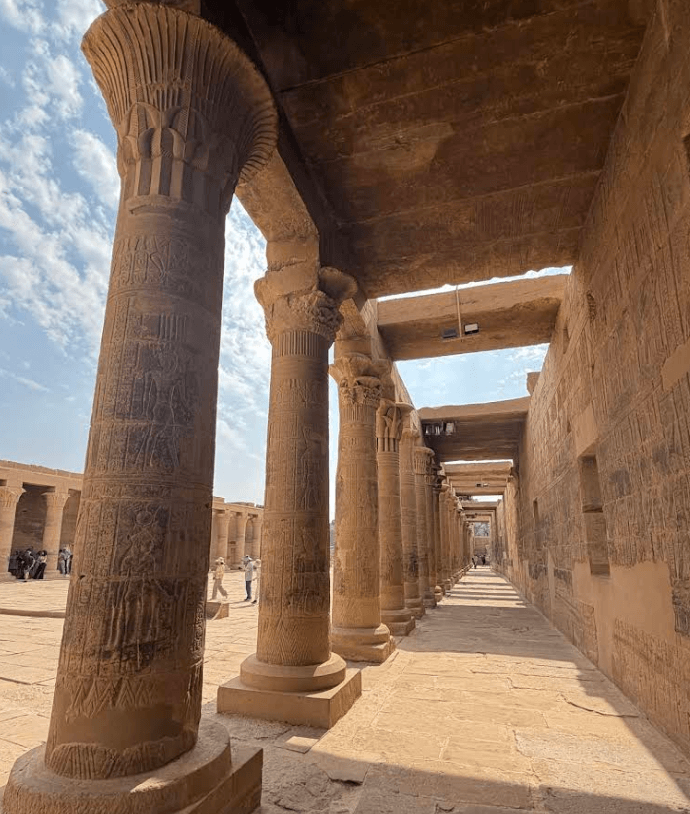
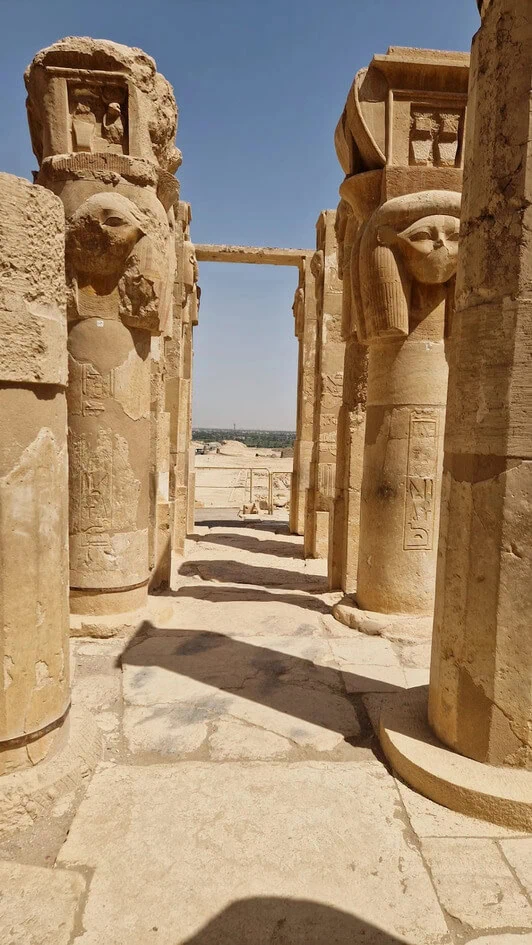
The Courtyard of Columns: Beyond the first pylon lies a spacious courtyard surrounded by elegant colonnades. The floral capitals and carved reliefs immediately reflect the artistic sophistication of the Ptolemaic period.
The Hypostyle Hall
This atmospheric hall features richly decorated columns and walls filled with mythological scenes. The carvings narrate stories of Isis, Osiris, and Horus, forming a visual guide to Egyptian theology.
Sanctuary of Isis: At the heart of the temple lies the sacred sanctuary where the statue of Isis was once kept. This was the most sacred space, accessible only to priests during rituals and ceremonies.
Birth House (Mammisi): One of the most distinctive structures in the complex, the Mammisi celebrates the divine birth of Horus, symbolizing fertility, renewal, and divine kingship.
Nile Views & Boat Arrival Experience: Because the temple is located on an island, visitors often arrive by motorboat. The approach across the Nile, with the temple rising from the water, is one of the most iconic experiences in Agilkia Island temple visits.
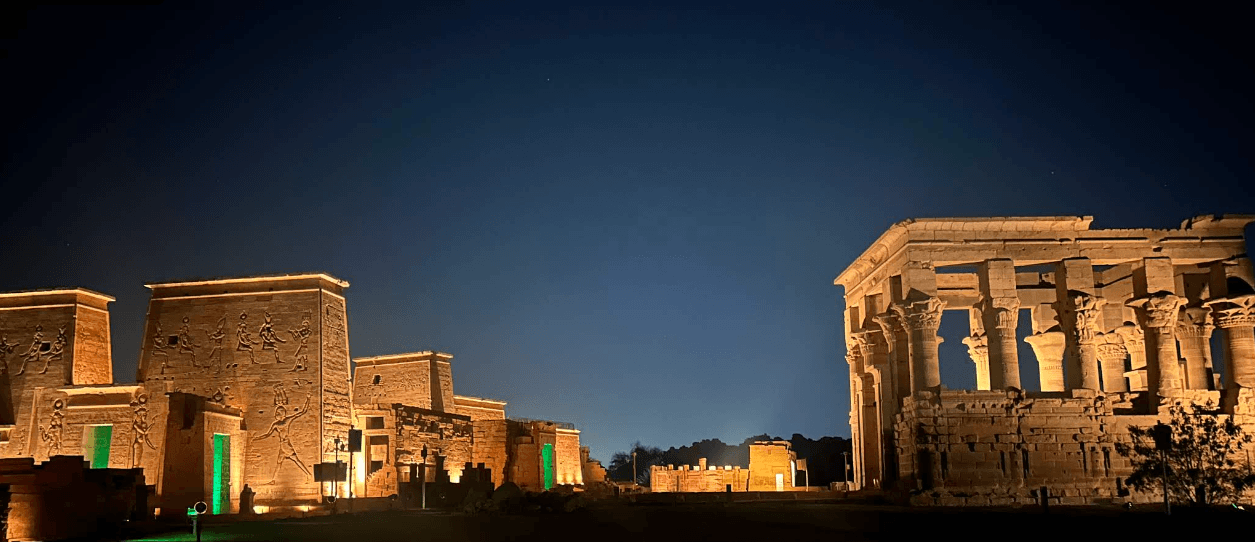
Sound & Light Experience (Optional): In the evening, a sound and light show narrates the myths of Isis and Osiris, transforming the temple into a dramatic storytelling stage under the night sky.
Why Visit
Cultural & Historical Significance
The Philae Temple (Temple of Isis) is not just an archaeological site; it is a powerful symbol of spiritual continuity and cultural resilience.
At its core, the temple represents the ancient Egyptian belief in divine order and eternal life. Isis, the central deity worshipped here, symbolizes protection, motherhood, and magical restoration—values that shaped centuries of Egyptian religious thought.
Philae also reflects the political and cultural evolution of Egypt under foreign rule. The integration of Greek and Roman artistic styles shows how Egyptian identity adapted while maintaining its spiritual foundation.
Equally important is its modern legacy. The relocation of the temple in the 1960s represents one of humanity’s greatest heritage preservation efforts. Without this intervention, the temple would now be submerged beneath Lake Nasser.
Today, Philae stands as:
- A surviving center of ancient Egyptian religion
- A symbol of cross-cultural artistic fusion
- A UNESCO-protected heritage monument
- A reminder of global cooperation in preserving history
It continues to attract visitors worldwide who seek to experience the spiritual atmosphere and timeless beauty of Isis temple Egypt.

Explore the Wonders of Ancient Egypt
Book your visit to the Philae Temple and explore one of the world’s most iconic ancient landmarks.
Visitor Information
Location & Access
Agilkia Island, near Aswan, Egypt (accessible only by boat)
How to Reach
Motorboat rides from Aswan Nile docks (5–15 minutes)
Guided tours from Aswan, Luxor, or Cairo
Nile cruises often include Philae as a major stop
Getting There
7:00 AM – 4:00 PM (subject to seasonal variation)
Ticket Pricing
General entry ticket required (price varies by authority updates)
Separate fees may apply for photography or guided access
Essential Tips
- Visit early morning or late afternoon for best light and fewer crowds
- Wear comfortable shoes for uneven stone surfaces
- Bring sun protection and water
- Hire a licensed guide for deeper historical understanding
- Combine with Aswan High Dam and Unfinished Obelisk visits
FAQs
Frequently Asked Questions About Philae Temple (Temple of Isis)
Where is Philae Temple located today?
Philae Temple is currently located on Agilkia Island near Aswan, Egypt. It was originally situated on Philae Island but was relocated during the 1960s UNESCO rescue project to protect it from flooding caused by the Aswan High Dam.
Who is the Philae Temple dedicated to?
The temple is primarily dedicated to Isis, the ancient Egyptian goddess of magic, healing, motherhood, and protection. It also contains chapels and reliefs honoring other deities such as Hathor and Horus.
When was Philae Temple built?
The main temple complex was constructed between c. 380 BC and 340 AD, during the Ptolemaic and Roman periods, although earlier religious structures existed on the site as far back as the 25th Dynasty.
Why was Philae Temple moved from its original location?
The temple was relocated in the 1960s due to the construction of the Aswan High Dam, which created rising Nile waters that threatened to permanently submerge the site. UNESCO led a major international effort to dismantle and rebuild it on Agilkia Island.
What makes Philae Temple famous?
Philae Temple is famous for its beautiful Greco-Roman Egyptian architecture, detailed mythological carvings of Isis and Osiris, and its dramatic island setting on the Nile. It is also known for being one of the last active centers of ancient Egyptian religion.
What is the best time to visit Philae Temple?
The best time to visit is between October and April, when temperatures in Aswan are cooler and more comfortable for exploring the temple complex and taking boat rides across the Nile.
Plan Your Visit
Ready to Step Inside Egypt's Royal History?
Book your cruise or tour package to ensure seamless entry, expert guidance, and the most meaningful experience at the last surviving Wonder of the Ancient World.