
Temple of Khnum at Esna
The Temple at a Glance
A Subterranean Jewel of Upper Egypt
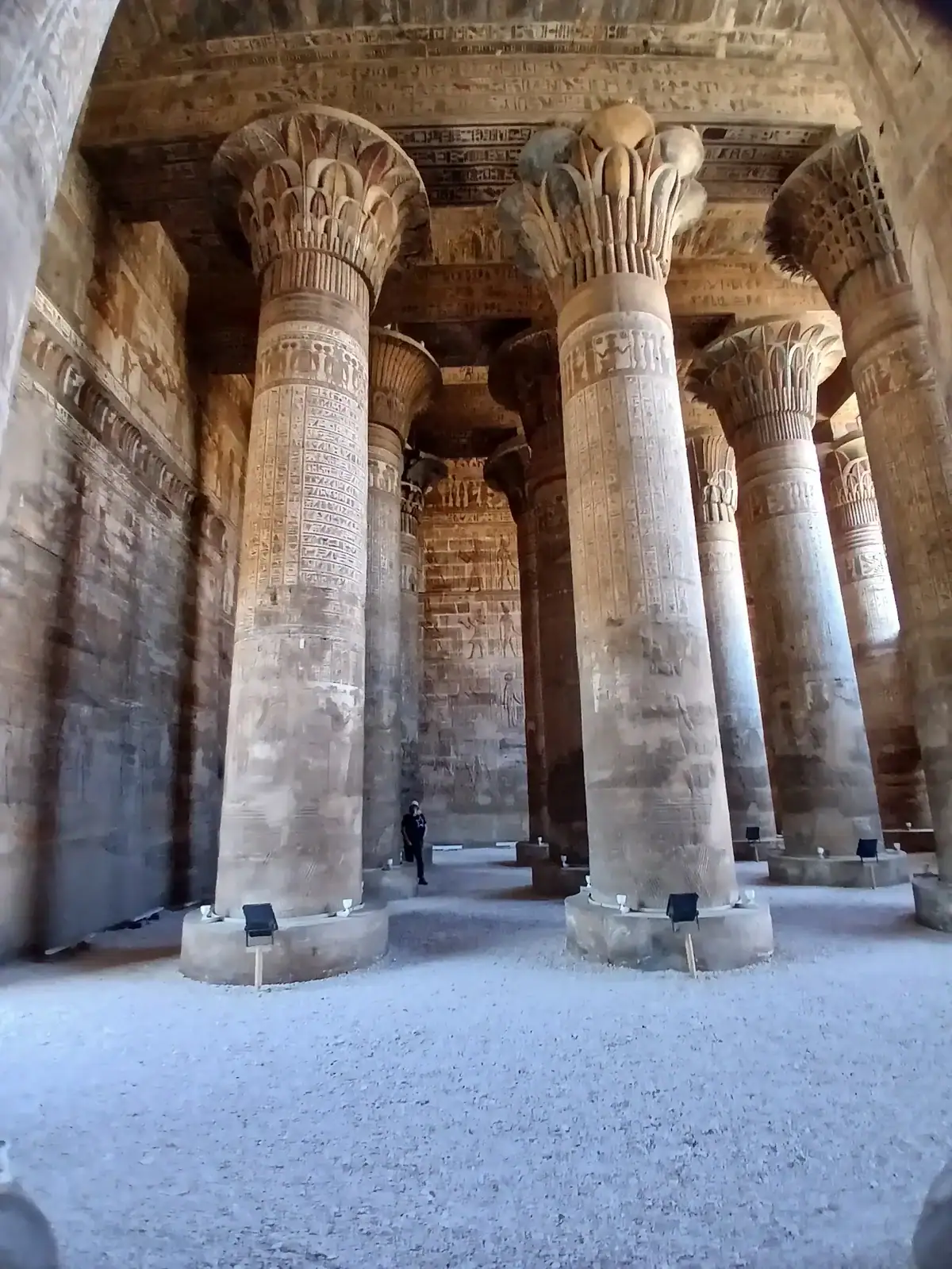
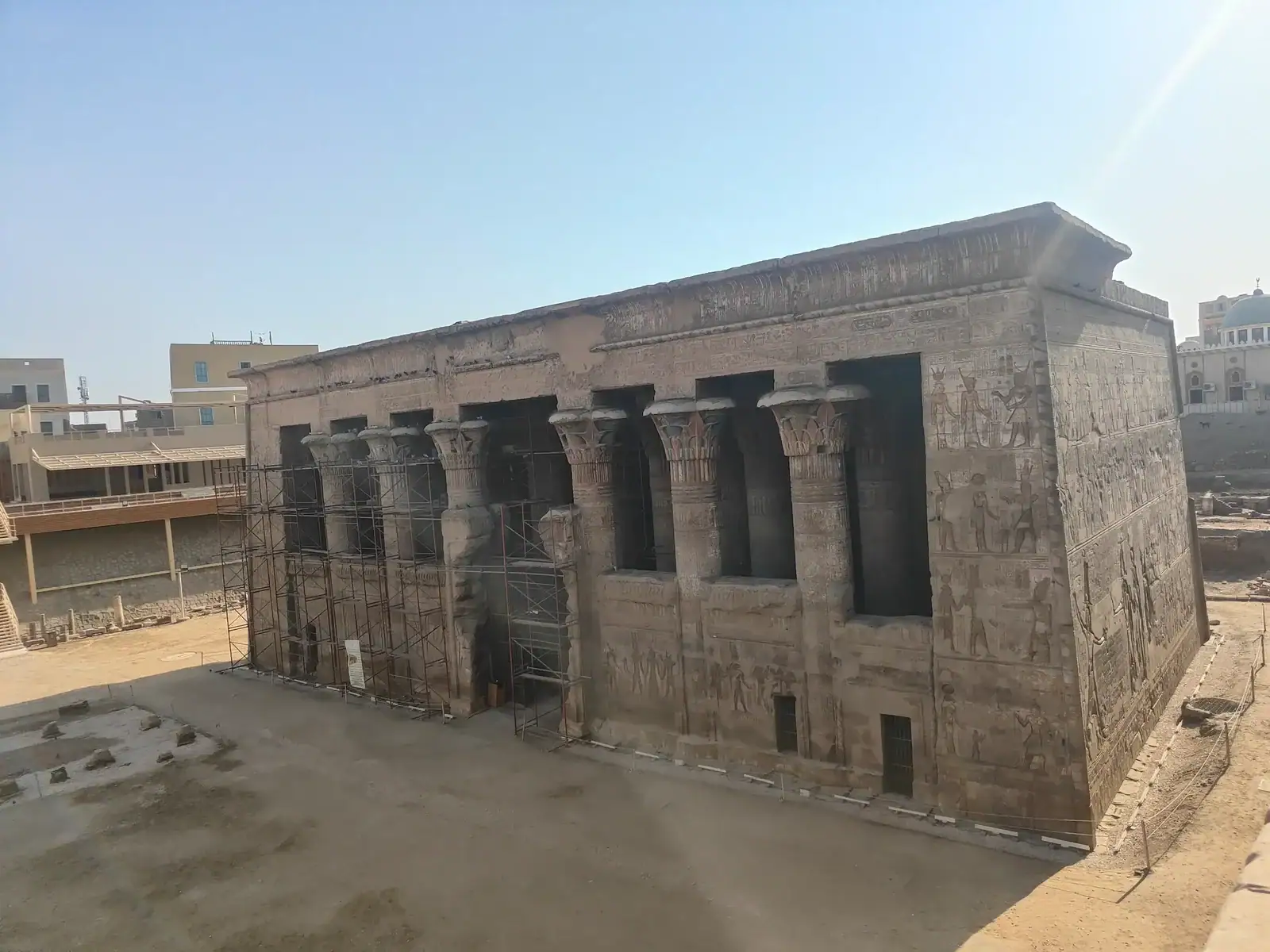
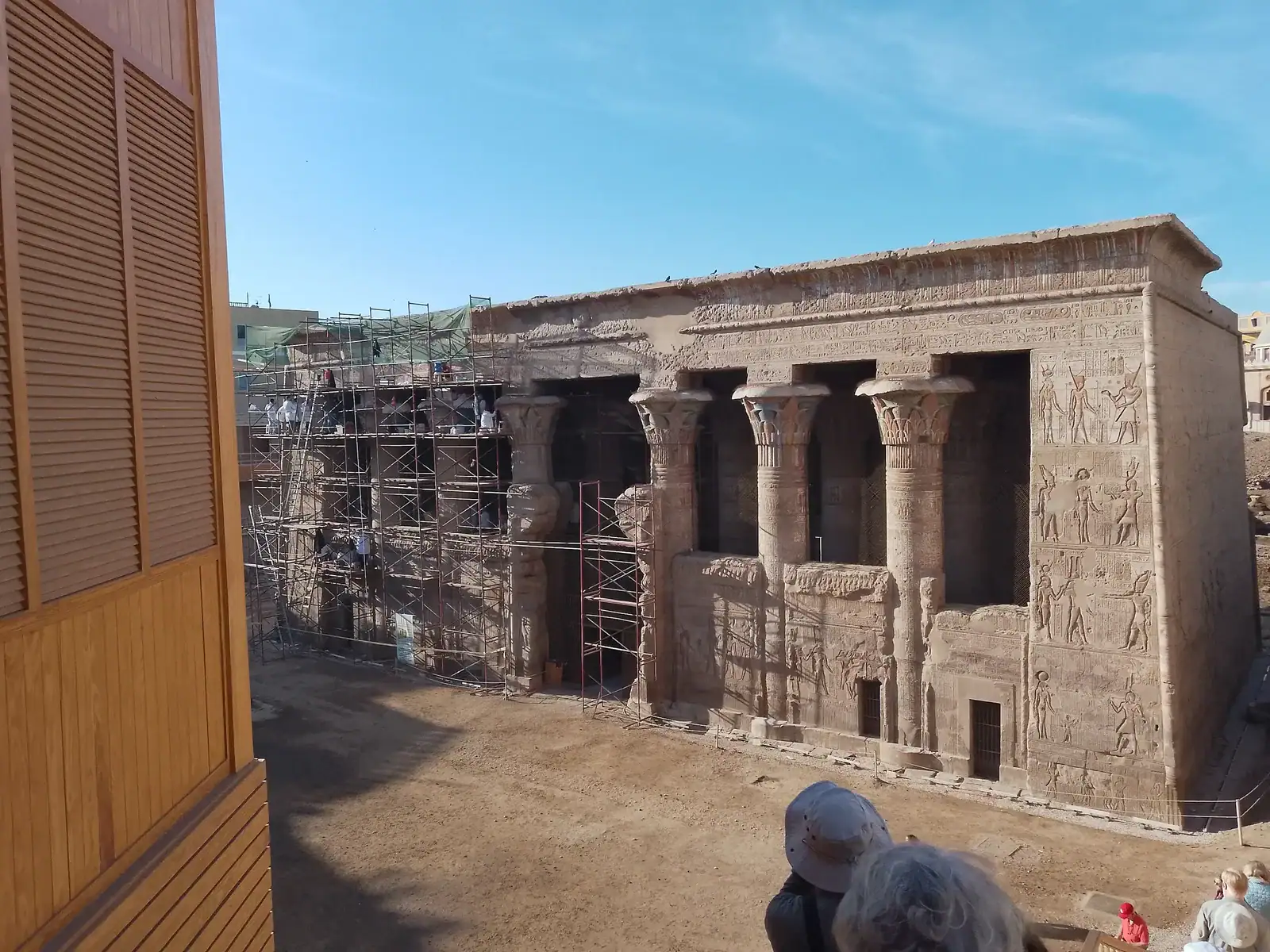
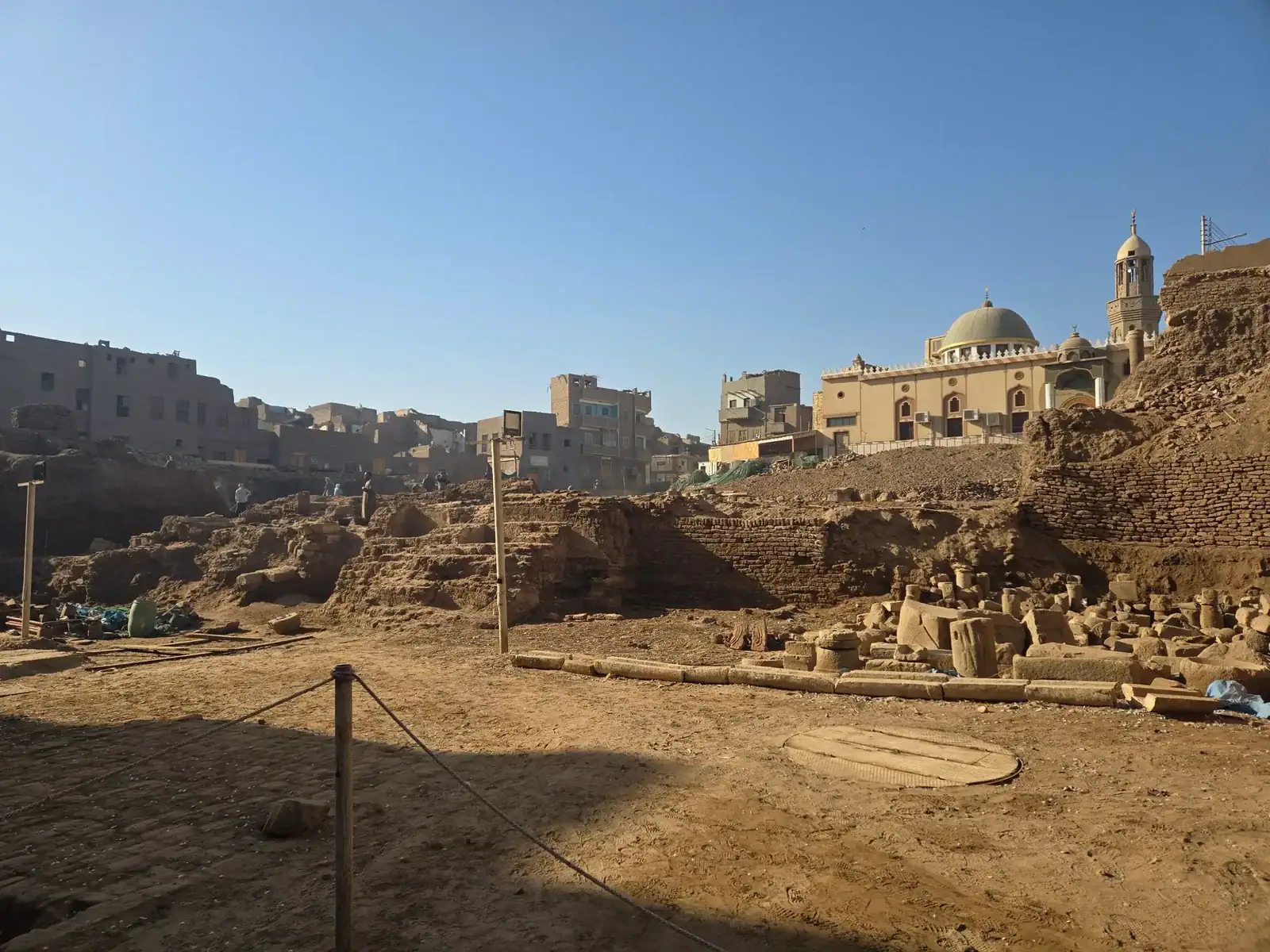
Tucked beneath the bustling modern streets of Esna, Egypt, lies one of the most remarkably preserved monuments of the Greco-Roman world: the Temple of Khnum at Esna. Located roughly 55 kilometers south of Luxor along the western bank of the Nile, this extraordinary archaeological site sits in a pit carved nearly 9 meters (30 feet) below current street level. While much of the ancient city and original sanctuary walls remain buried under contemporary urban residential blocks, the breathtaking Esna hypostyle hall stands completely intact—offering visitors an immersive window into ancient Egyptian cosmology, ritual, and artistry.
Dedicated primarily to Khnum, the ram-headed creator god who fashioned humanity on a potter’s wheel, the Khnum temple also honors his divine consorts Menhit and Nebtu, their son Heka (god of magic), and the warrior goddess Neith. Today, it is an essential port of call for Nile cruises sailing between Luxor and Aswan, captivating travelers with its soaring sandstone columns and newly restored, luminous ceiling reliefs.
| Key Feature | Details |
| Official Name | Temple of Khnum (Esna Temple / Temple of Esna) |
| Location | Esna, Luxor Governorate, Upper Egypt (55 km south of Luxor) |
| Primary Deity | Khnum (God of the Nile source, creation, and fertility) |
| Key Architectural Unit | Pronaos / Grand Hypostyle Hall (24 columns) |
| Construction Period | Ptolemaic Period to Roman Imperial Era (c. 180 BCE – 250 CE) |
| Site Elevation | ~9 meters below modern street level |
| Operating Hours | 7:00 AM – 4:00 PM (Daily) |
| Best Time to Visit | October – April (Morning arrival via Nile cruise) |
Historical Timeline
c. 180 BCE ── Ptolemy VI initiates construction of the main Ptolemaic temple sanctuary.
c. 41 CE ── Roman Emperor Claudius begins constructing the monumental grand hypostyle hall.
c. 250 CE ── Last Roman imperial cartouches (Emperor Decius) inscribed on temple walls.
1843 CE ── French scholar Serge Sauneron and publish the surviving reliefs of the hypostyle hall.
1960–1975 ── Serge Sauneron publishes comprehensive transcriptions of the Esna hieroglyphic corpus.
2018 ── Ministry of Tourism & Antiquities and Univ. of Tübingen launch major restoration.
2023–2026 ── Full unveiling of restored zodiac ceilings, planetary alignments, and vibrant column capitals.
Historical Background
Historical Background & Timeline
The history of worship at Esna, Egypt extends deep into the New Kingdom era, but the surviving structure of the Temple of Esna represents the final flourishing chapter of classical pharaonic architecture. Construction on the core Ptolemaic temple began under Pharaoh Ptolemy VI Philometor (180–145 BCE). However, the magnificent hall that travelers explore today—the 37-meter-wide Esna hypostyle hall—was added during the Roman Era under Emperor Claudius (41–54 CE) and decorated under successive emperors through Decius (249–251 CE).
For centuries following the decline of ancient pagan cults, windblown sand, silt deposits from Nile floods, and urban development gradually surrounded the temple. The main inner sanctuary was largely lost or buried, but the covered hypostyle hall survived because local populations repurposed it for shelter, storage, and even a cotton warehouse during the 19th-century industrial development under Muhammad Ali Pasha.
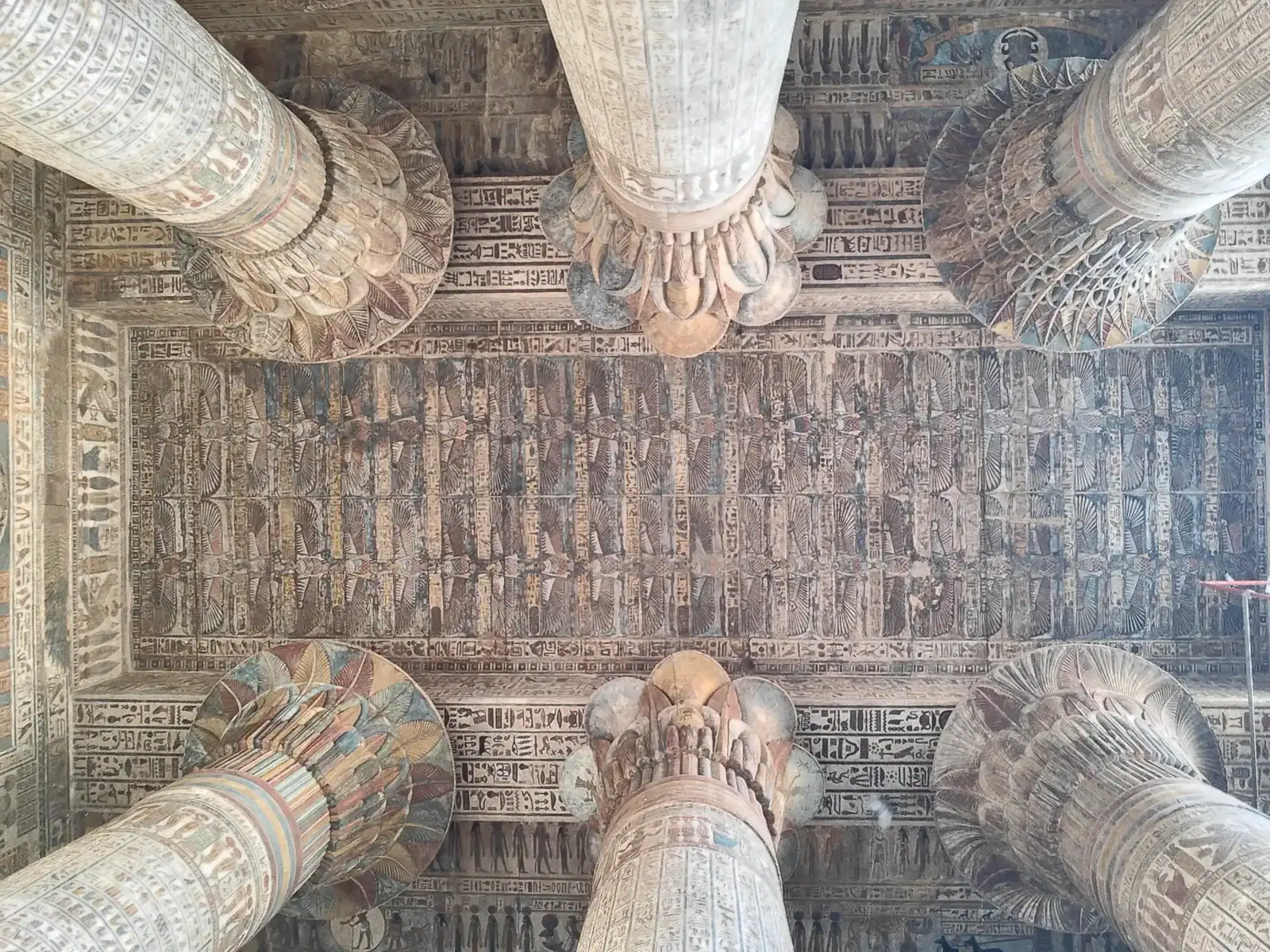
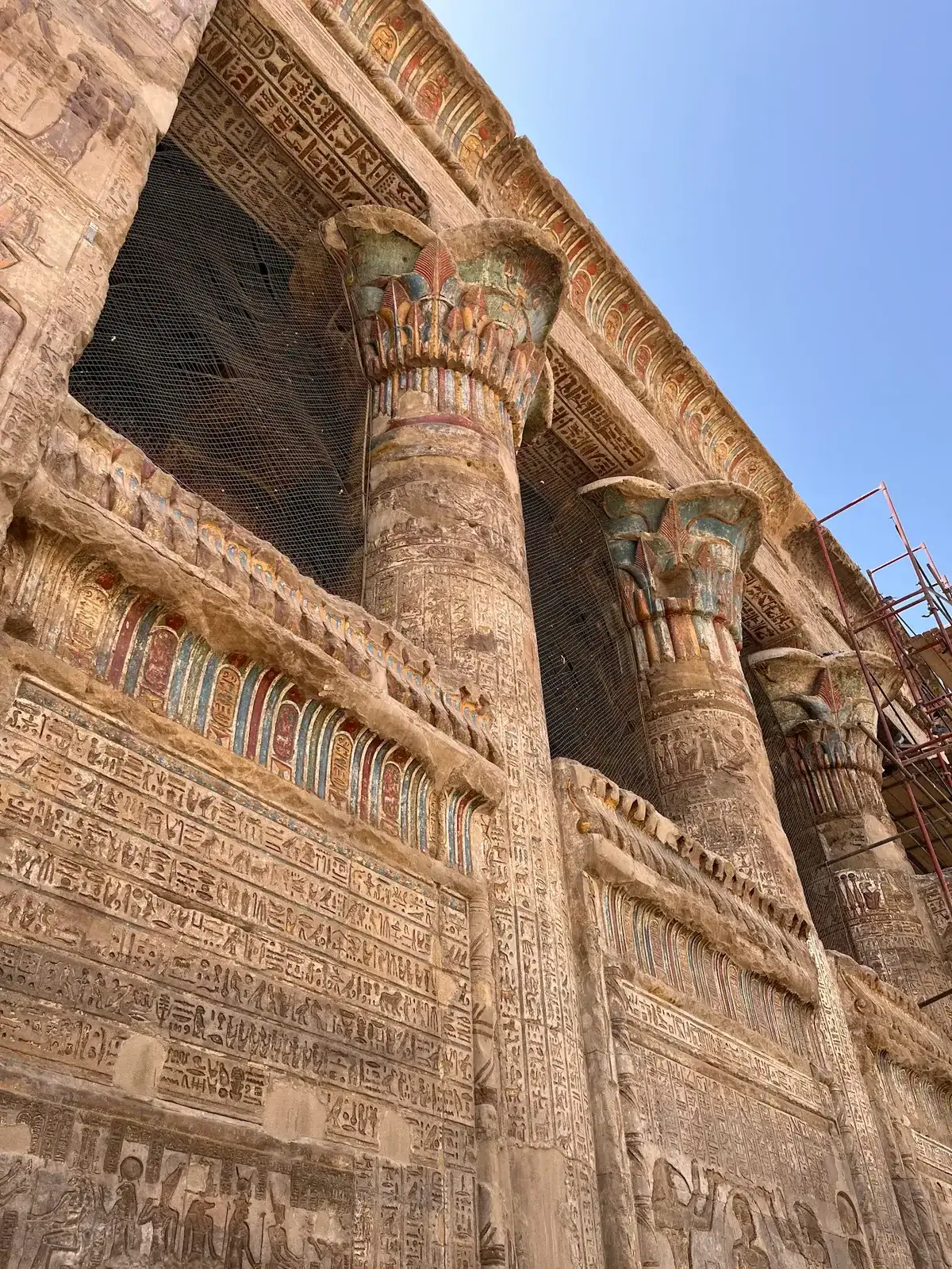
Centuries of cooking fires, soot, bat guano, and grime accumulated across the walls and ceiling, obscuring the brilliant pigments beneath. Beginning in 2018, a joint conservation initiative by the Egyptian Ministry of Tourism and Antiquities and the University of Tübingen embarked on a painstaking restoration. Using delicate tools like toothpicks and specialized organic solvents, conservators stripped away two millennia of soot to reveal dynamic astronomical ceiling scenes and hyper-detailed hieroglyphic inscriptions in their original, vibrant colors.

Explore the Wonders of Ancient Egypt
Book your visit to the Temple of Khnum at Esna and explore one of the world’s most iconic ancient landmarks.
What Makes It Extraordinary
What Makes the Temple of Khnum Extraordinary
01
The 24 Botanical Columns
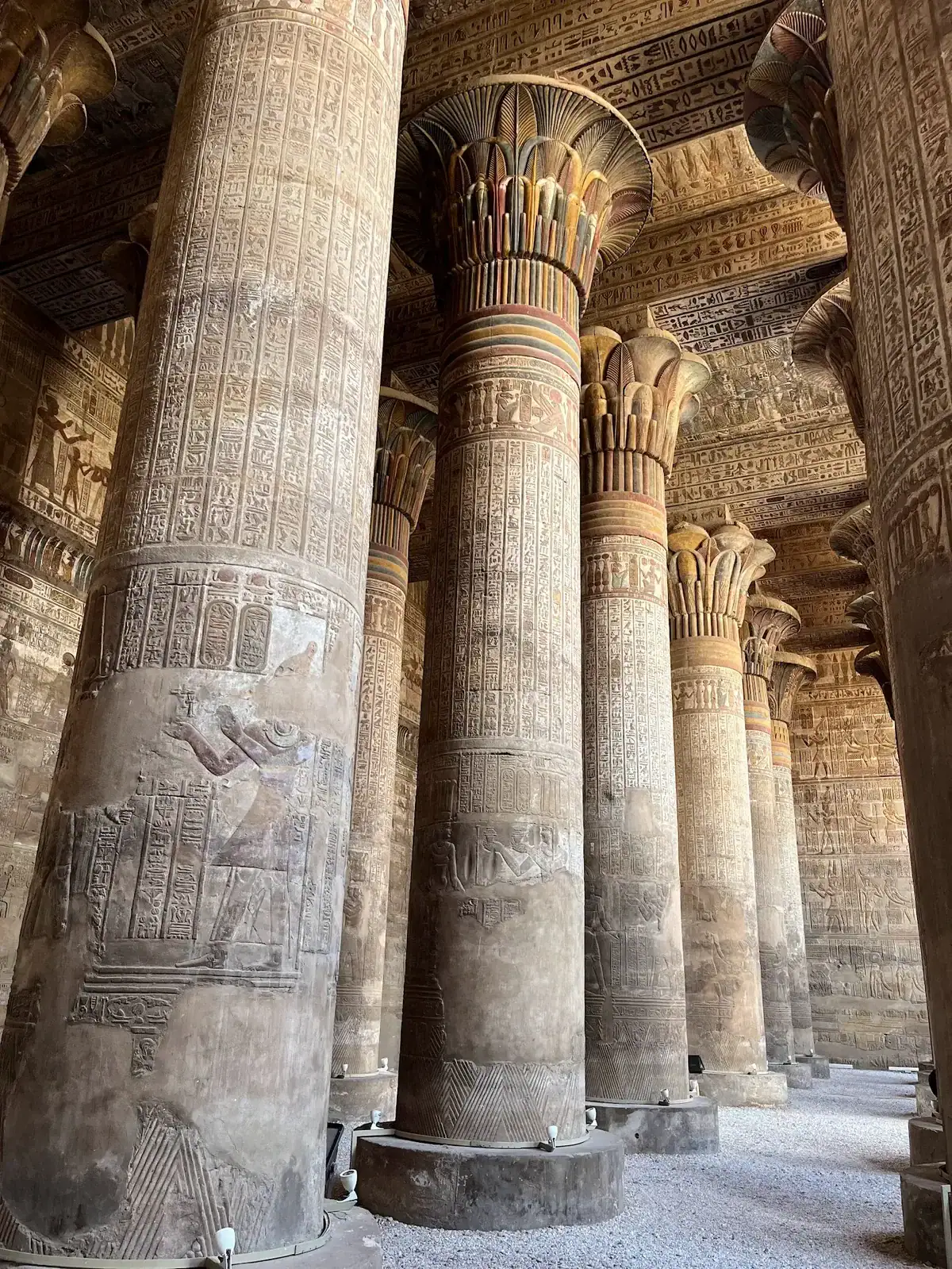
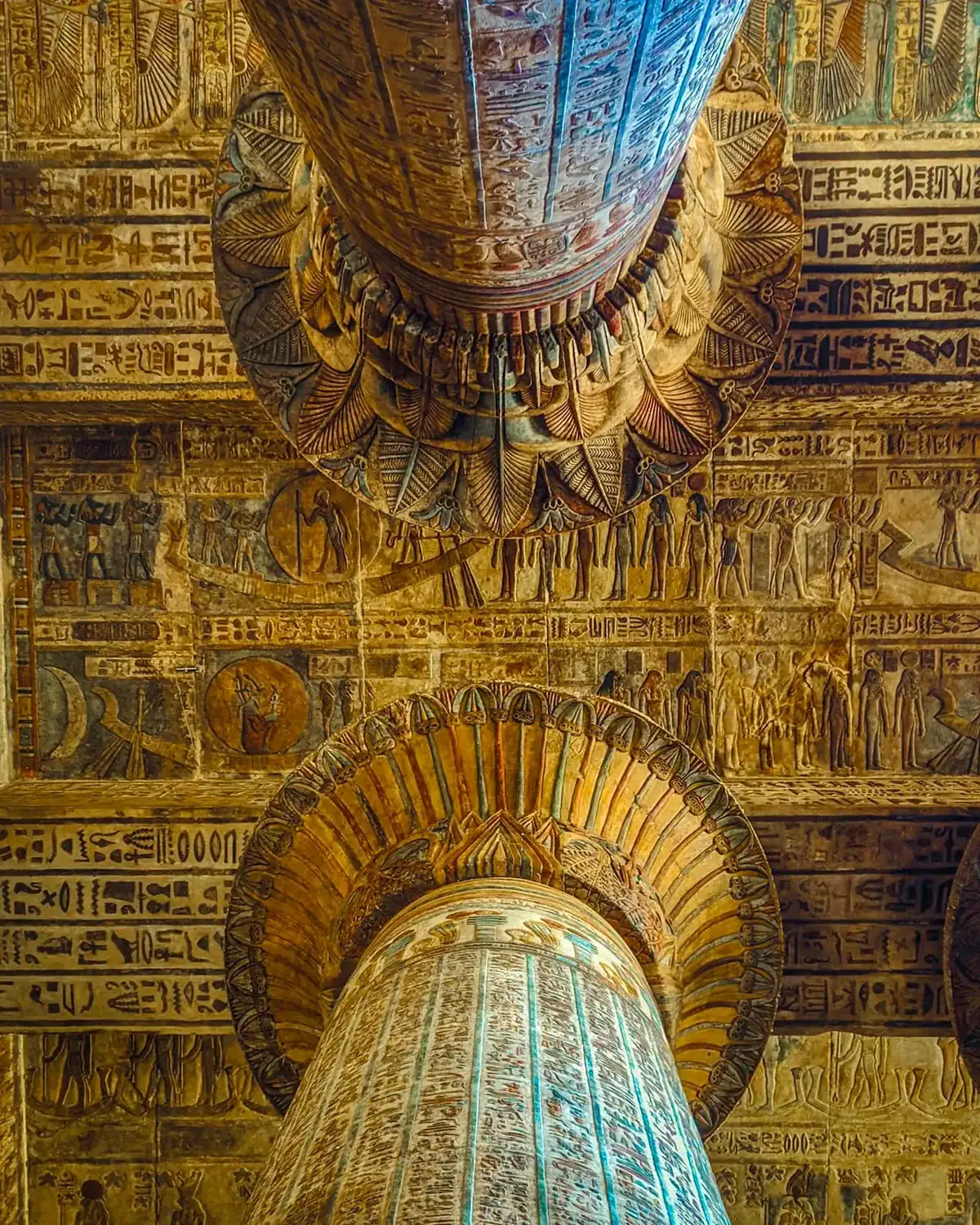
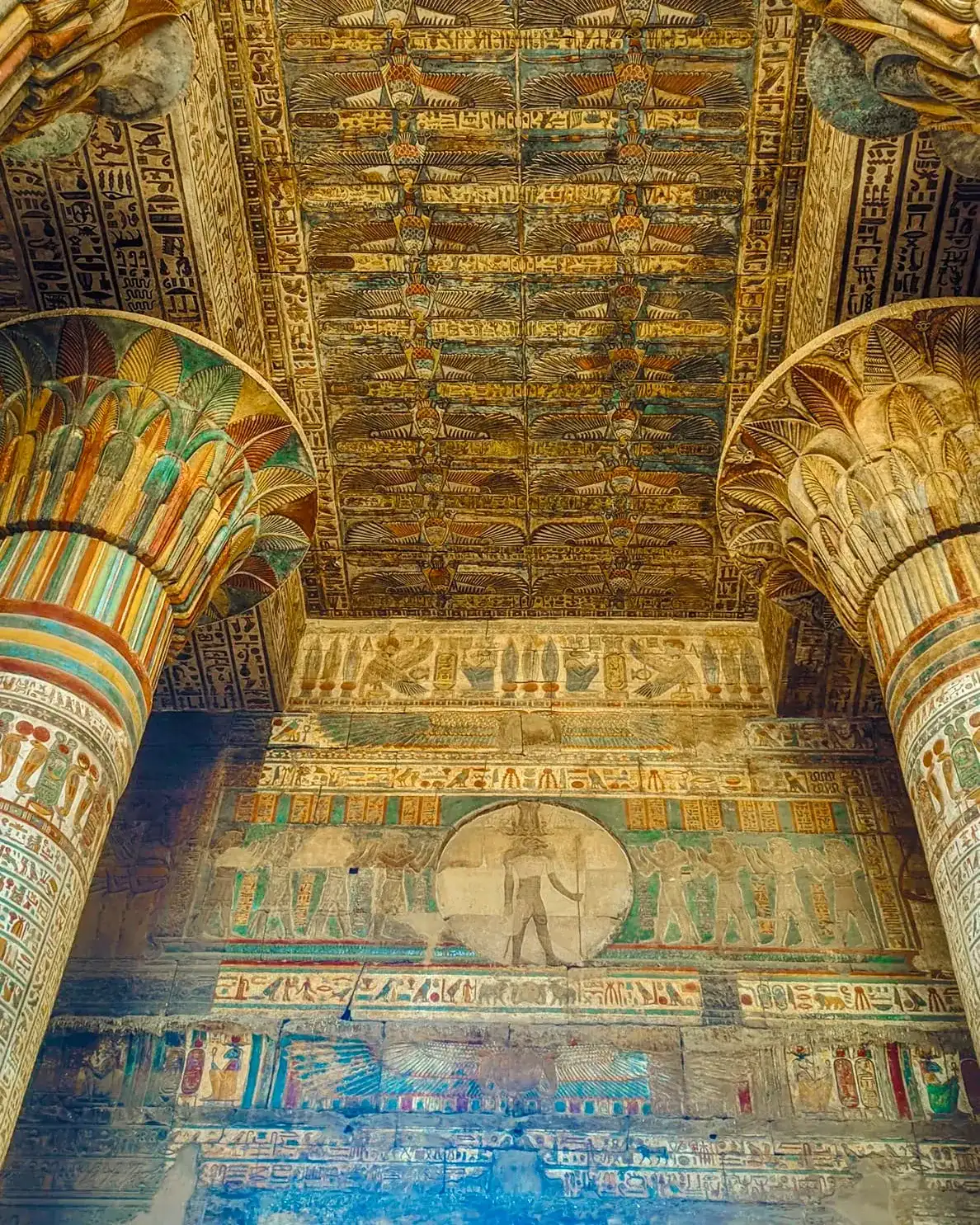
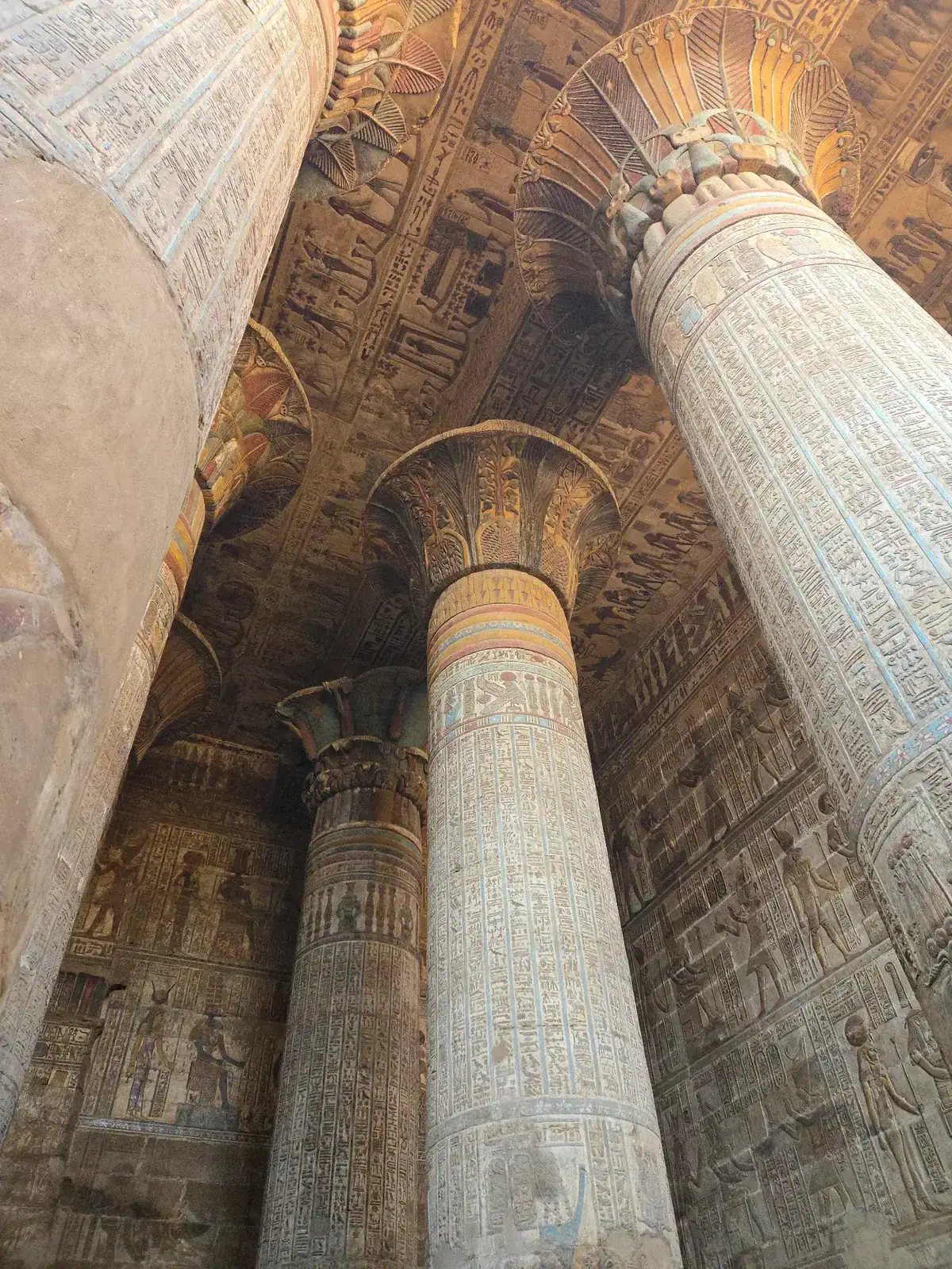
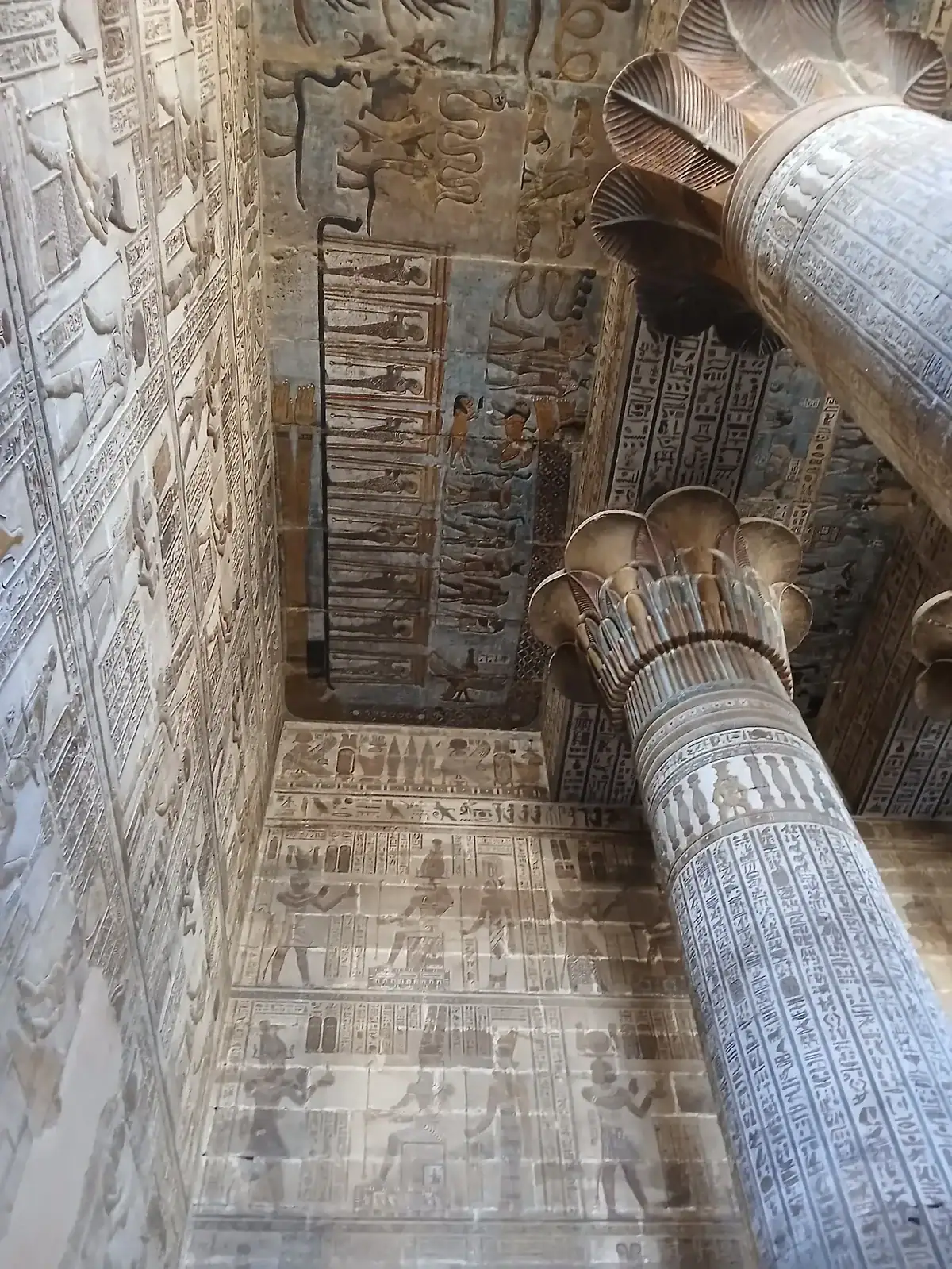
The central hall is held aloft by 24 massive sandstone columns arranged in a 6-by-4 grid. What makes these pillars exceptional is that no two column capitals are identical. Sculptors carved intricately detailed botanical motifs into the stone—including palm fronds, papyrus reeds, lotus blossoms, and grapevines with hanging fruit cluster representations. These designs celebrated the biological richness and agricultural fertility brought to Egypt by the Nile inundation, presided over by Khnum.
02
The Vividly Restored Astronomical Ceiling
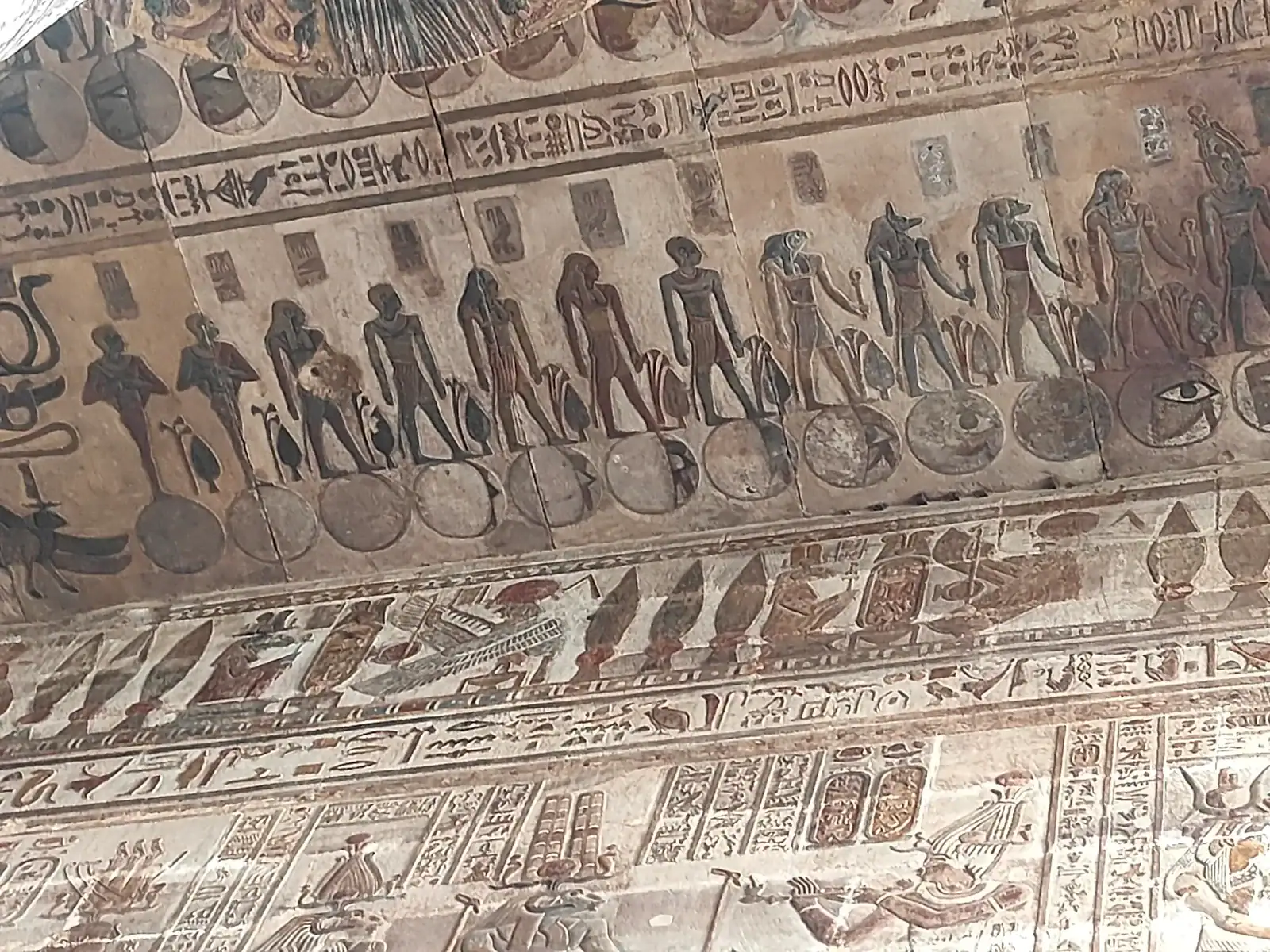
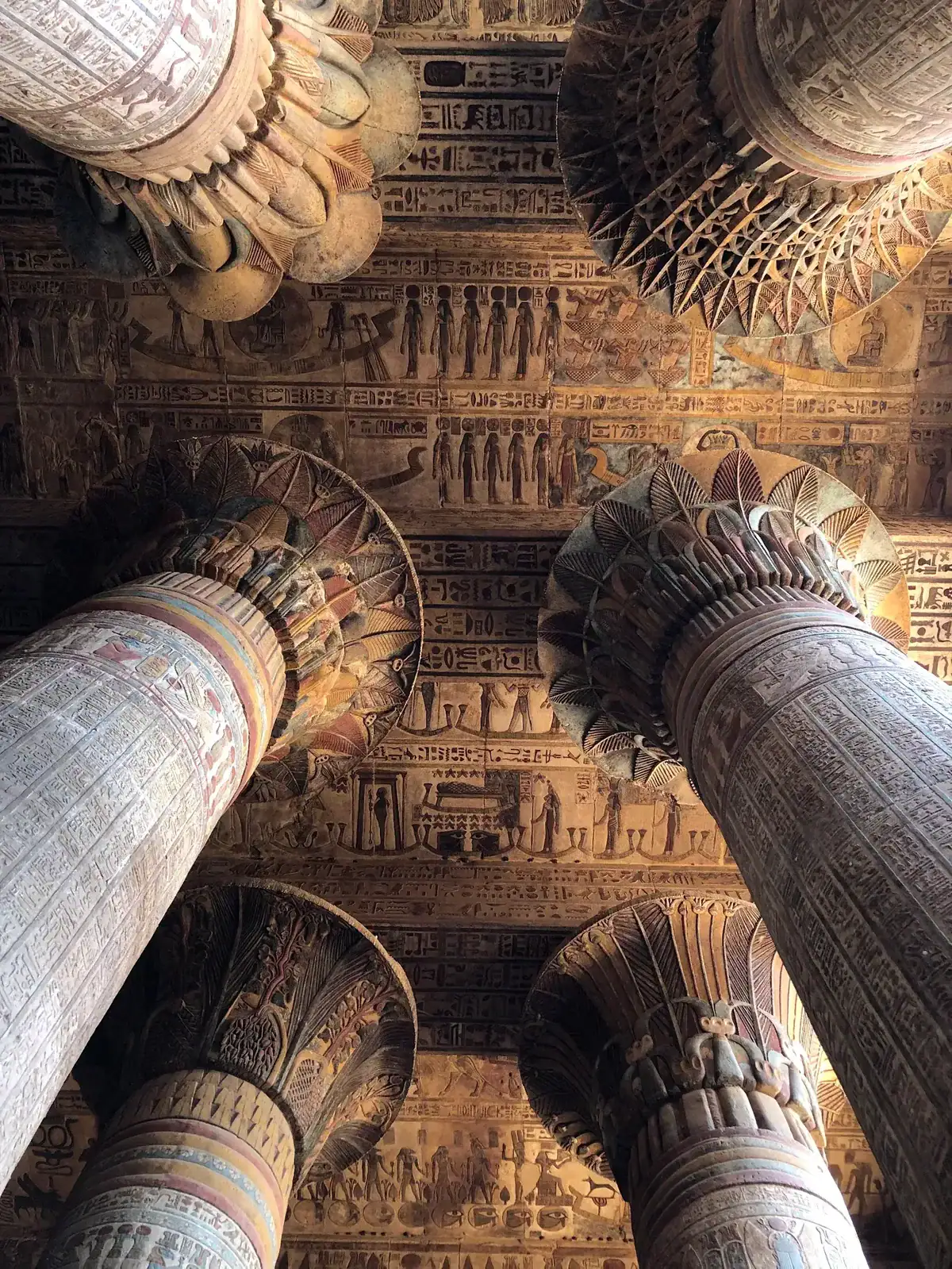
Following its multi-year restoration, the ceiling of the esna temple stands alongside Dendera as one of the two most important astronomical representations in ancient Egypt. Divided into distinct longitudinal bands, the ceiling features vivid depictions of the twelve signs of the zodiac, decan stars used to mark nighttime hours, planetary deities (Jupiter, Saturn, Mars), and mythological constellations drawn in brilliant yellow and red ochre hues.
03
Cryptic Hieroglyphic Cryptograms
The walls and columns of the Khnum temple contain some of the most complex hieroglyphic texts ever composed. Ptolemaic and Roman priests in Esna developed specialized cryptograms where individual animal symbols were repeated to form complete liturgical chants. Notable examples include an entire hymn composed primarily of ram hieroglyphs (symbolizing Khnum) and another written almost entirely using crocodile figures.
04
Preservation Through Subterranean Enclosure
Unlike many ancient Egyptian temples whose stone blocks were dismantled and recycled for lime kilns or medieval housing, the Temple of Esna was protected by its deep, sunken position within the town. Enclosed by rising town silt, the hypostyle hall was shielded from direct weather exposure and stone quarrying. This subterranean context preserved its roof slab structure intact, preserving the vibrant ceiling paintings for over two thousand years.


What to See & Experience
Explore the Temple of Khnum at Esna Experience
Visiting the Temple of Esna offers a captivating contrast between modern Egyptian town life and ancient sacred architecture.
Descend into the Temple Pit: Walk down the dedicated stone staircase from street level into the 9-meter excavation pit to appreciate the structural height and original scale of the facade.
Examine the Floral Capitals: Stand among the 24 soaring columns of the Esna hypostyle hall and observe the subtle variation among papyrus, date palm, and lotus foliage carvings.
Marvel at the Zodiac Ceiling: Look upward to spot recognizable astrological symbols—including Aries, Scorpio, Taurus, and Sagittarius—framed alongside celestial barques and star charts.
Study the Hymn of Creation: Inspect the northern entrance walls to view hieroglyphic texts describing Khnum forming human bodies, gods, and animals out of clay on his divine potter’s wheel.
Locate Imperial Roman Cartouches: Trace the carved names of Roman Emperors, such as Marcus Aurelius, Trajan, Hadrian, and Caracalla, dressed in full pharaonic regalia while offering sacrifices to Egyptian gods.
Explore the Traditional Souk: Wander through the vibrant Esna covered market leading from the Nile riverboat dock to the temple, known for local textiles, spices, and traditional Egyptian handicrafts.
Why Visit
Cultural & Historical Significance
A Synthesis of Two Worlds: The Temple of Esna represents the final harmonious fusion of ancient Egyptian theological traditions with Greco-Roman political authority.
The historical importance of the Temple of Khnum at Esna lies in its role as a living archive of late pharaonic religion. During the Roman era, while Christianity was beginning to spread across the Mediterranean basin, the priesthood at Esna maintained classical Egyptian temple rituals, cosmic science, and linguistic traditions.
The ceiling reliefs reflect an advanced understanding of ancient astronomy and timekeeping. The depictions record the annual heliacal rising of Sirius (Sothis), which heralded the crucial flooding of the Nile River and marked the ancient Egyptian New Year. Furthermore, the temple walls preserve detailed calendars listing sacred festival dates, daily purification rites for priests, and rules governing ritual cleanliness within temple grounds.
By showcasing the full spectrum of color used in ancient architecture, the ongoing Tübingen-Egyptian restoration project at Esna has fundamentally changed how historians and visitors view pharaonic monuments—transforming monochrome sandstone into a radiant tapestry of blue, red, gold, and green pigments.

Explore the Wonders of Ancient Egypt
Book your visit to the Temple of Khnum at Esna and explore one of the world’s most iconic ancient landmarks.
Visitor Information
Location & Access
The esna temple is located in the city center of Esna, approximately 55 kilometers south of Luxor and 135 kilometers north of Aswan.
Getting There
Nile River Cruise: Almost all multi-day Nile cruises between Luxor and Aswan stop at Esna. The temple is a convenient 10-minute walk through the local bazaar from the cruise docking pier.
Ticket Pricing
Foreign Adult Ticket: ~200 EGP
Foreign Student Ticket: ~100 EGP (valid ISIC student ID required)
Opening Hours: Daily from 7:00 AM to 4:00 PM (Hours may extend slightly during peak winter season).
Essential Tips
- Visit early for cooler weather and fewer crowds.
- Wear comfortable shoes for uneven surfaces.
- Bring cash for tickets and local purchases.
- Look up to admire the colorful ceiling reliefs.
- Combine your visit with a Luxor–Aswan Nile cruise.
- Allow 45–60 minutes to explore the temple.
FAQs
Frequently Asked Questions About the Temple of Khnum at Esna
Why is the temple in a deep pit?
Centuries of accumulated Nile silt, sand, and town growth buried the structure, leaving it 9 meters below modern street level.
How long does a visit take?
Exploring the hall takes 45 to 60 minutes, or about 1.5 hours total including the market walk from the Nile dock.
Is it included in Nile cruises?
Yes. Most cruises between Luxor and Aswan stop at Esna; the temple is just a 10-minute walk from the dock.
What is special about the ceiling?
It features vibrant, newly restored artwork showing zodiac signs, constellations, and celestial deities in their original colors.
Who was Khnum?
Khnum was the ram-headed creator god believed to have fashioned humans out of Nile clay on a potter’s wheel.
Can I visit on a day trip from Luxor?
Yes. Esna is 55 km south of Luxor—about a 45-to-60-minute drive by private car or tour.
Plan Your Visit
Ready to Step Inside Egypt's Royal History?
Book your cruise or tour package to ensure seamless entry, expert guidance, and the most meaningful experience at the last surviving Wonder of the Ancient World.