
Valley of the Kings
The Valley at a Glance
The Rise of Egypt’s Royal Burial Valley
The Valley of the Kings emerged during the New Kingdom period around 1550 BCE, when Egyptian rulers abandoned pyramid construction in favor of hidden rock-cut tombs. Earlier pyramids had become easy targets for grave robbers, and pharaohs sought a more secure and sacred burial place.
The isolated valley near Luxor was chosen for several reasons. Its remote desert location offered protection, while the pyramid-shaped peak of Al-Qurn towering above the valley symbolized rebirth and divine ascension. Ancient Egyptians believed the west bank of the Nile represented the realm of the dead because the sun disappeared there each evening.
The first known royal tomb in the valley is generally associated with Pharaoh Thutmose I of the 18th Dynasty. Over the following centuries, some of Egypt’s greatest rulers were buried here, including Tutankhamun, Seti I, Ramesses II, Ramesses III, and many others.
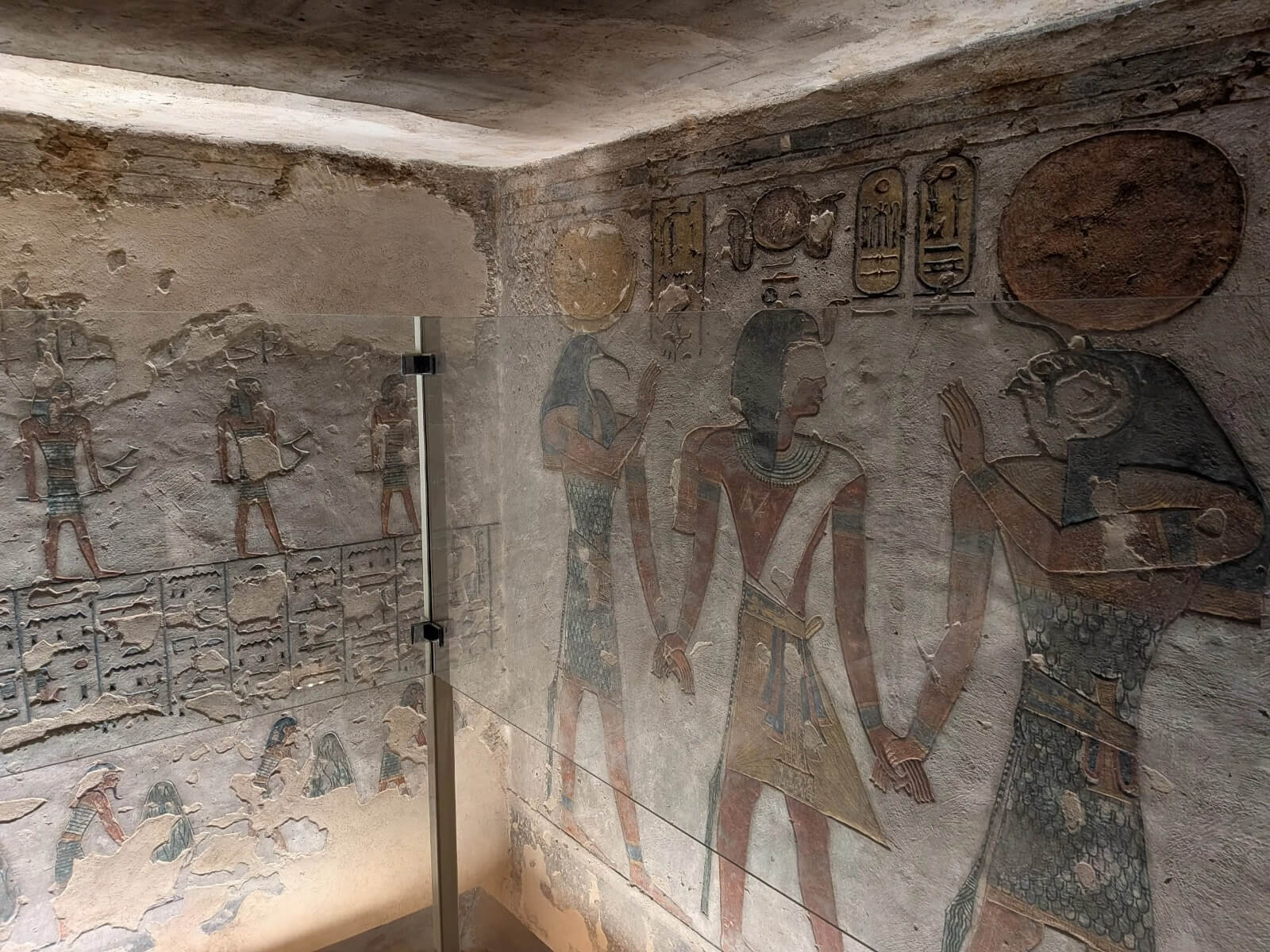
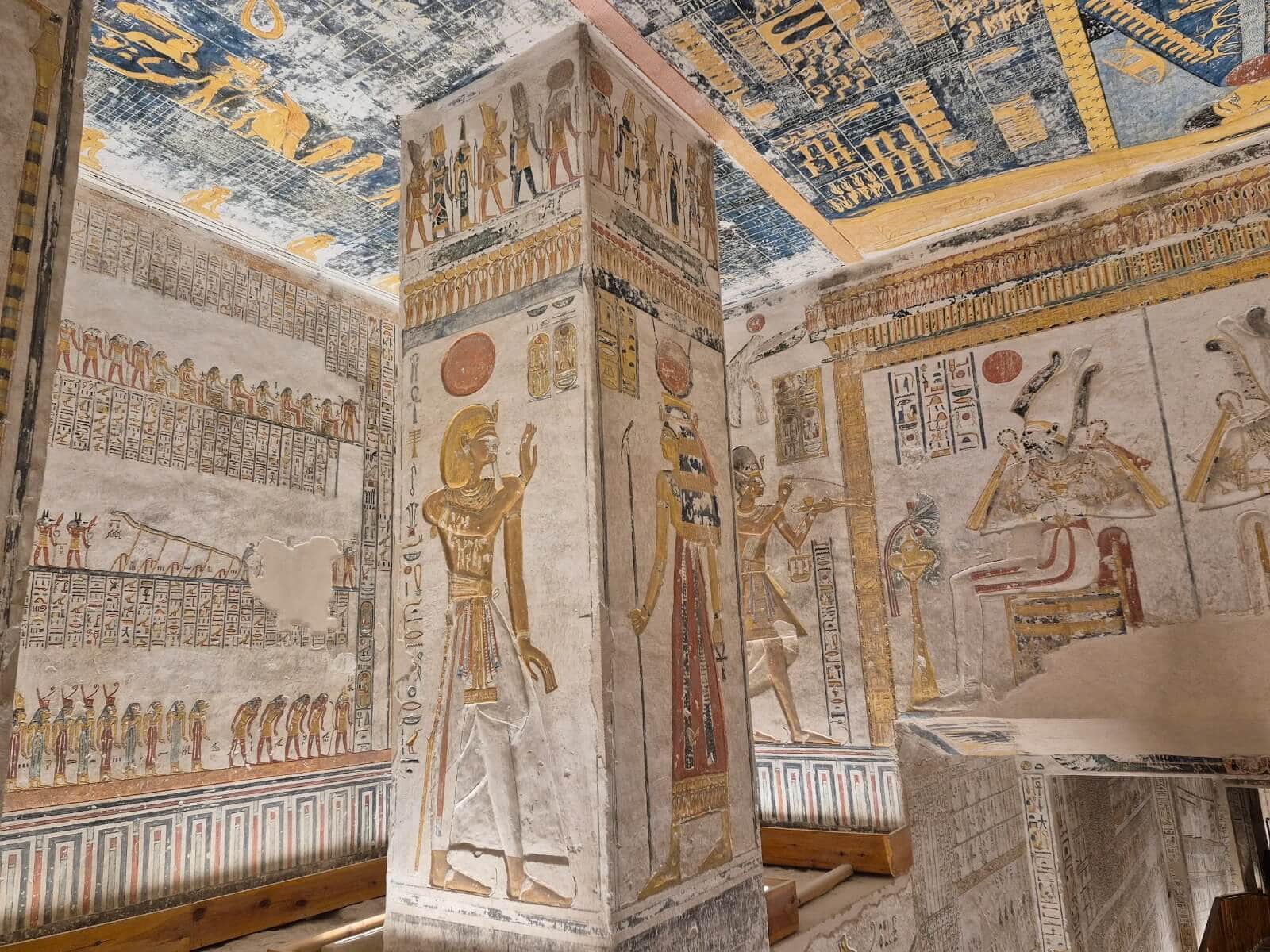
The tombs evolved into elaborate underground complexes featuring corridors, chambers, shafts, and richly painted walls illustrating sacred funerary texts. These artworks guided the deceased king through the dangers of the underworld toward eternal life.
Although the valley was designed for secrecy, many tombs were looted in antiquity. Priests later moved royal mummies into hidden caches for protection. Despite centuries of excavation, discoveries continue today, proving the valley still holds archaeological mysteries beneath its sands.
Historical Timeline
| Date | Event |
|---|---|
| c. 1550 BCE | Valley becomes royal burial ground during the 18th Dynasty |
| c. 1490 BCE | Tombs of Thutmose rulers constructed |
| c. 1323 BCE | Burial of Tutankhamun |
| c. 1279–1213 BCE | Reign of Ramesses II and expansion of royal tombs |
| 1820s | Systematic European exploration begins |
| 1922 | Howard Carter discovers Tutankhamun tomb |
| 1979 | Theban Necropolis designated UNESCO World Heritage Site |
| Modern Era | Ongoing excavations and preservation projects continue |
Historical Background
Historical Background & Timeline
The Valley of the Kings was established during Egypt’s New Kingdom around 1550 BCE and became the primary burial site for pharaohs of the 18th, 19th, and 20th Dynasties. Located on the west bank of the Nile near Luxor, it replaced the pyramid complexes of earlier eras, offering a more secure and secluded resting place within the limestone cliffs of the Theban Mountains.
Over the next five centuries, famous rulers such as Tutankhamun, Seti I, Ramesses II, and Ramesses III were buried in elaborate rock-cut tombs decorated with colorful paintings, hieroglyphics, and sacred funerary texts designed to guide them through the afterlife. Unlike the pyramids of Giza, these tombs were carved deep underground and concealed from potential grave robbers.
The valley formed part of the wider Theban Necropolis and was closely connected to royal mortuary temples and religious ceremonies honoring the dead. Although many tombs were looted in antiquity, remarkable discoveries continue to reveal new insights into ancient Egyptian beliefs, artistry, and burial practices.
Today, more than 60 tombs and chambers have been discovered in the valley. The 1922 discovery of Tutankhamun’s nearly intact tomb by Howard Carter transformed modern Egyptology, while UNESCO recognition in 1979 cemented the Valley of the Kings as one of the world’s most important archaeological and cultural treasures.
Explore the Wonders of Ancient Egypt
Book your visit to the Valley of the Kings and explore one of the world’s most iconic ancient landmarks.
What Makes It Extraordinary
What Makes the Valley of the Kings Extraordinary
01
Home of Tutankhamun’s Tomb
The Valley of the Kings became world-famous after British archaeologist Howard Carter discovered the nearly intact Tutankhamun tomb in 1922. Unlike most royal burials that had been looted centuries earlier, the tomb preserved thousands of treasures, including the legendary golden death mask of the young king. The discovery transformed modern understanding of ancient Egypt and remains one of the greatest archaeological finds ever made.
02
Magnificent Underground Pharaoh Tombs
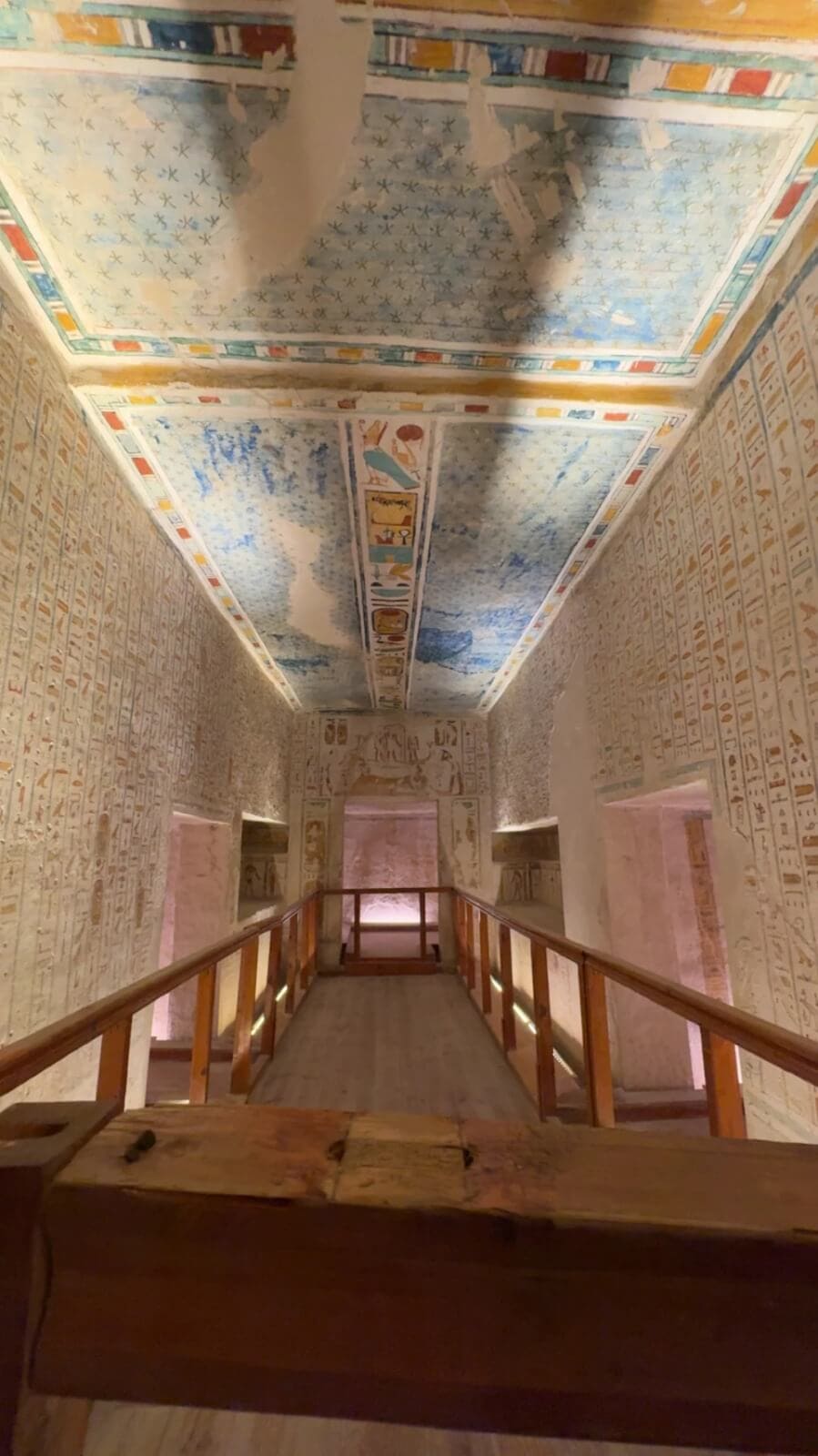
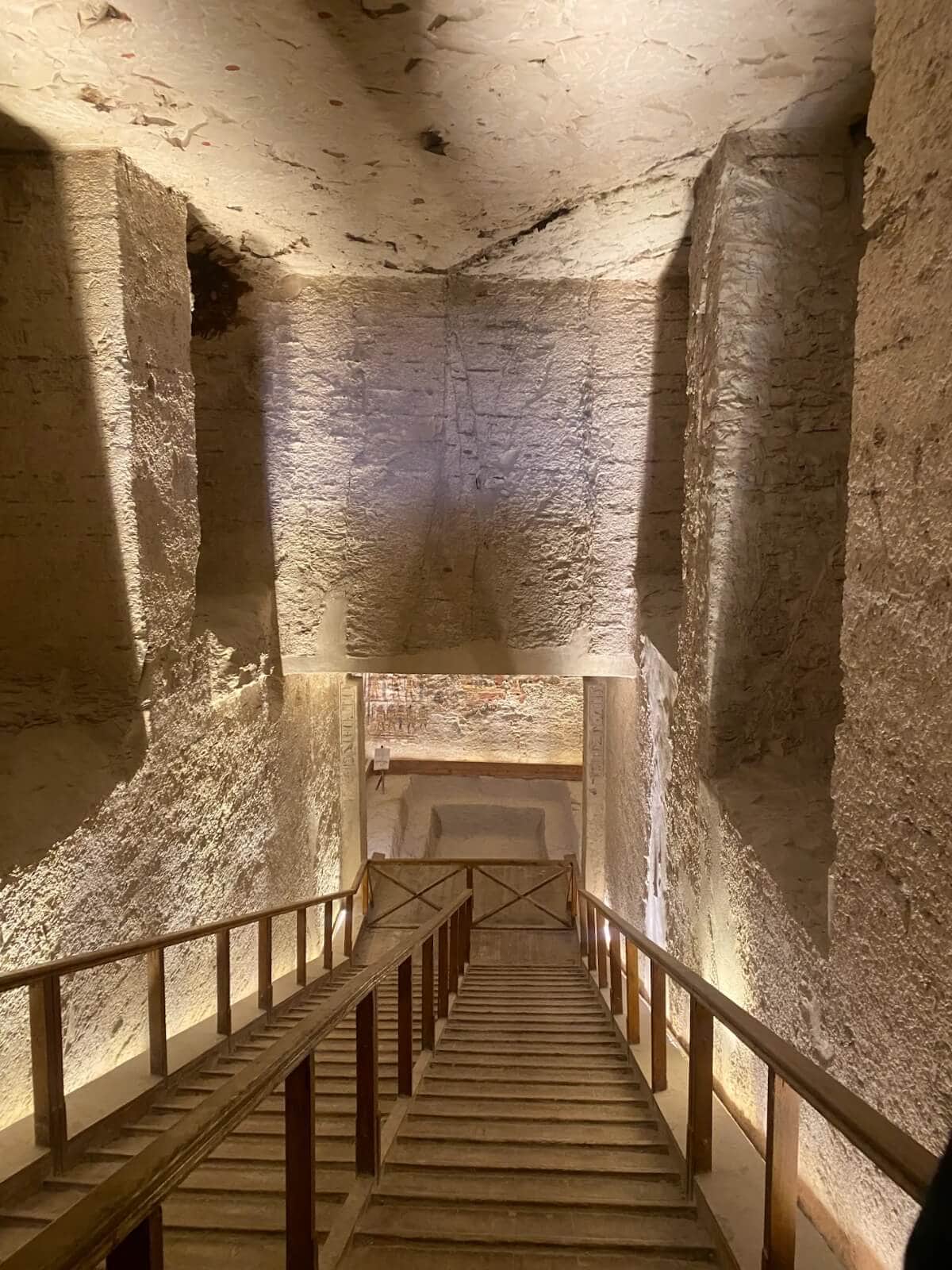
Unlike pyramids, the tombs here were carved directly into the desert mountains. Hidden beneath the surface are vast underground corridors, ceremonial halls, and burial chambers decorated with astonishing precision. Some tombs descend more than 100 meters into the rock and contain vivid paintings that remain colorful after more than 3,000 years.
03
Extraordinary Ancient Egyptian Art
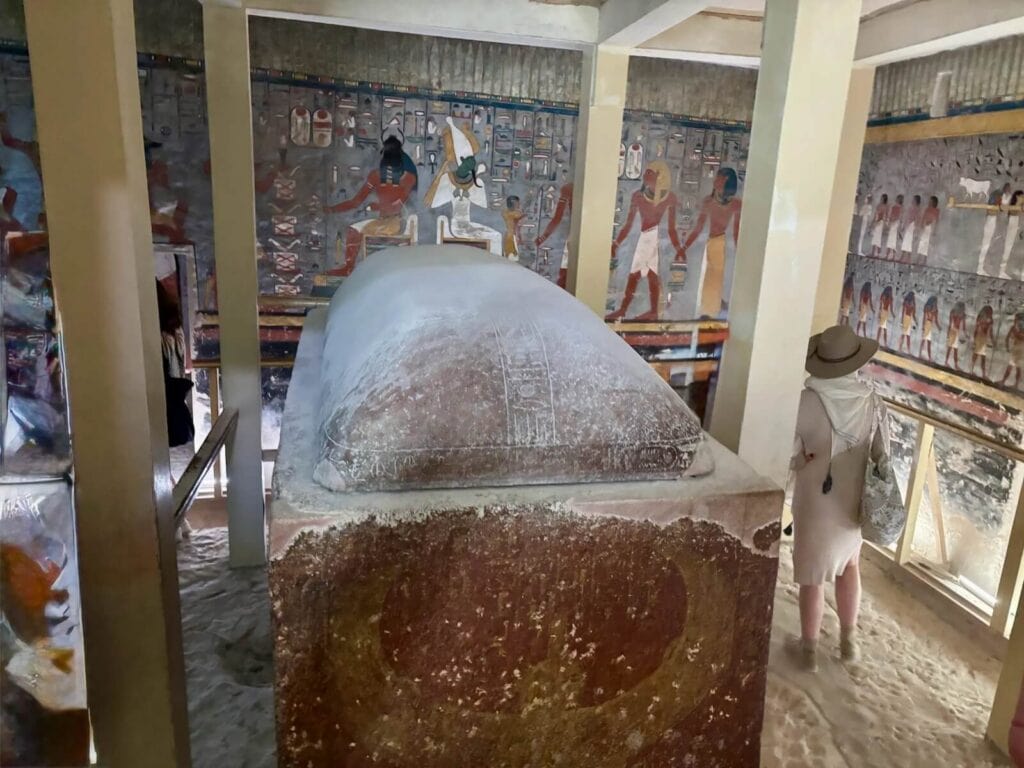
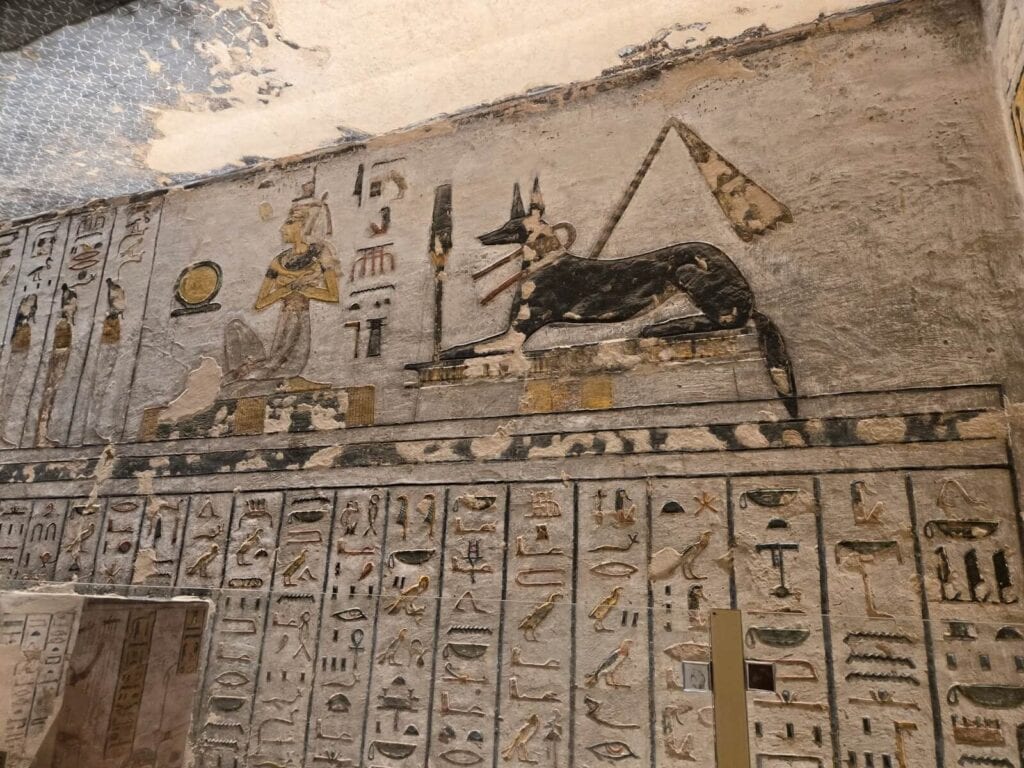
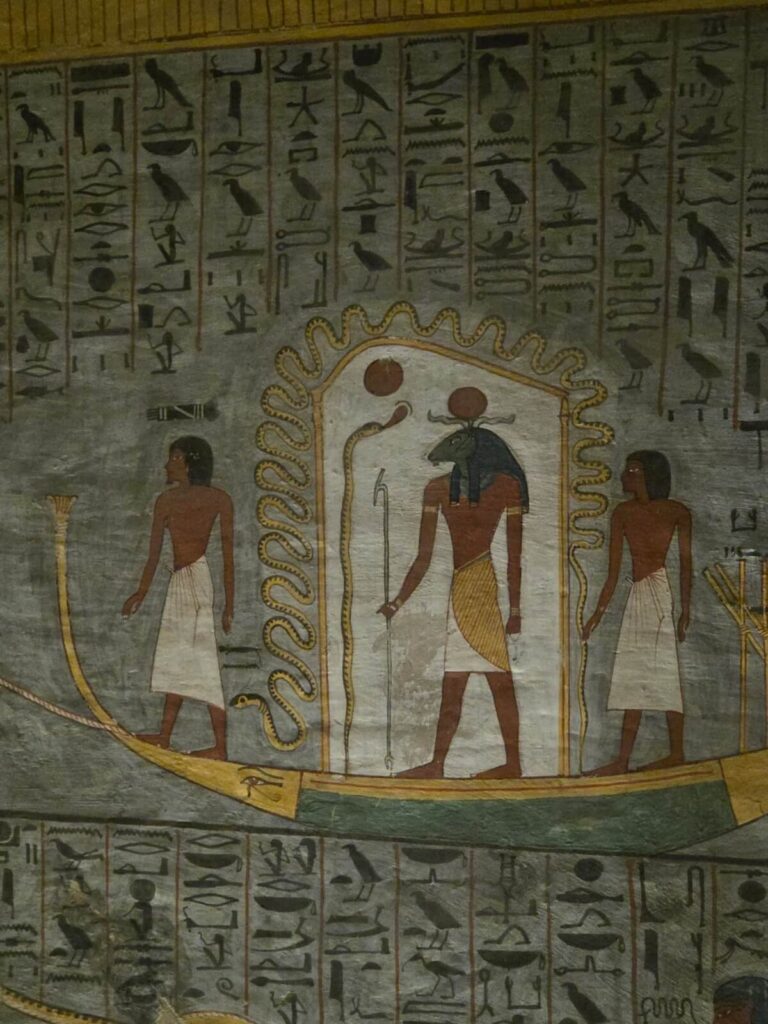
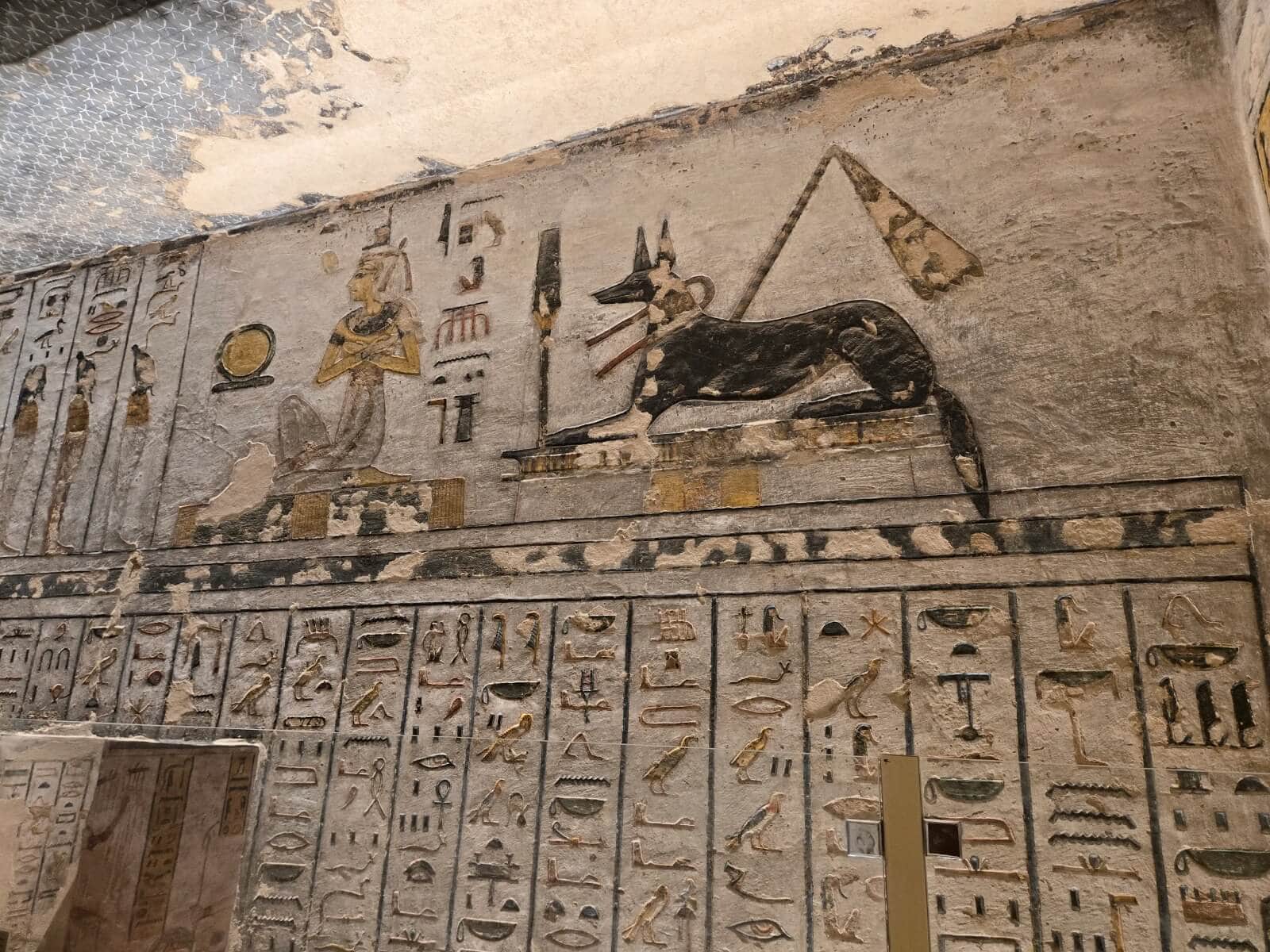
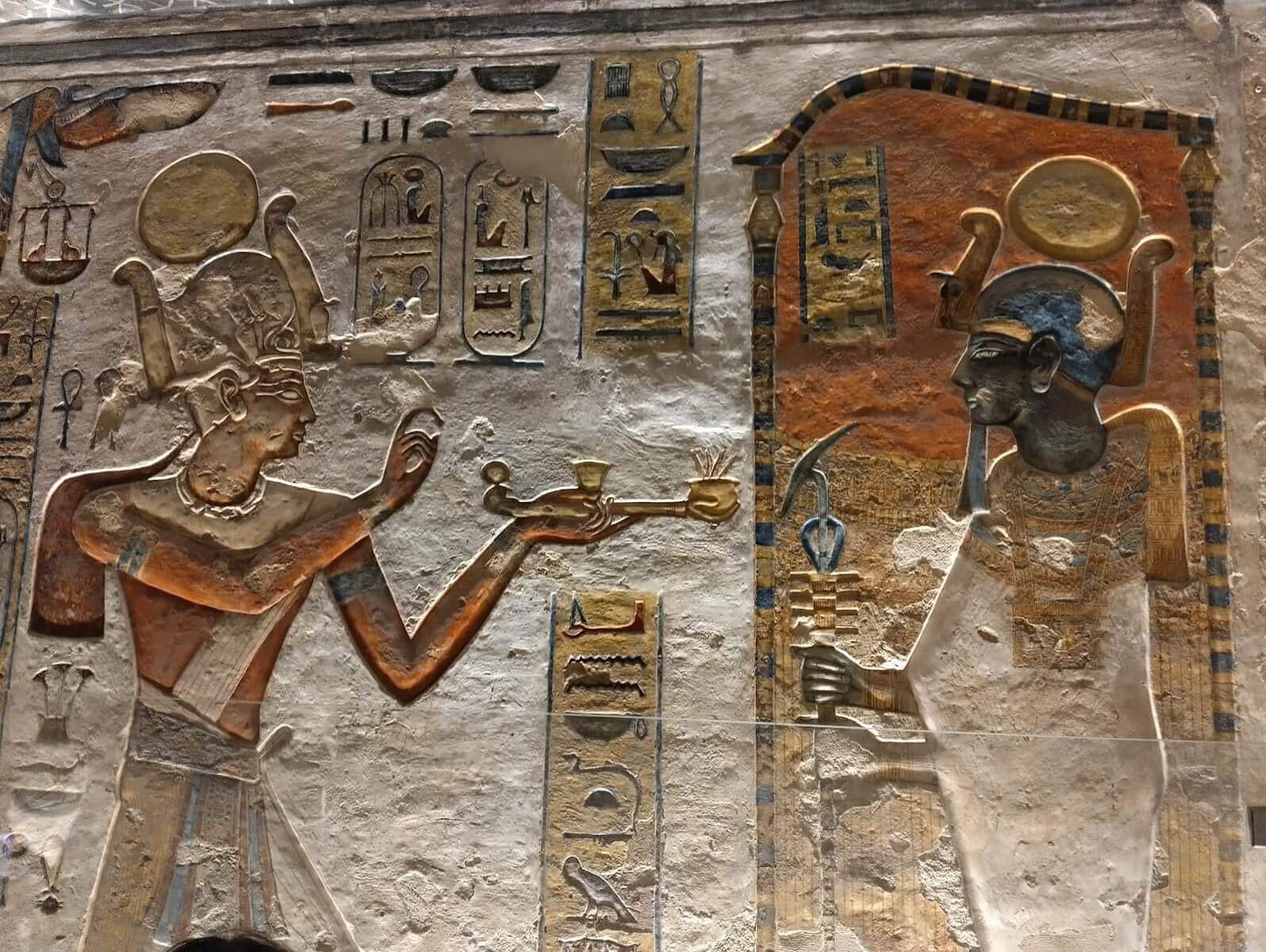
The walls inside the tombs are masterpieces of ancient religious art. Scenes from the Book of the Dead, Book of Gates, and Amduat cover ceilings and corridors with vibrant colors, sacred symbols, and detailed depictions of gods and the afterlife. The artistry inside tombs such as Seti I and Ramesses VI is considered among the finest surviving artwork from ancient Egypt.
04
A Continuing Archaeological Mystery
Even after centuries of excavation, the Valley of the Kings continues to reveal new discoveries. Archaeologists still uncover hidden chambers, burial artifacts, workers’ huts, and evidence about royal funerary practices. Modern technologies including radar scanning, 3D mapping, and conservation science continue to reshape understanding of the valley and its secrets.
What to See & Experience
Explore the Greatest Royal Tombs in Egypt
A visit to the Valley of the Kings offers far more than a simple walk through ancient ruins. Each tomb reveals a different chapter of Egypt’s royal history and religious beliefs.
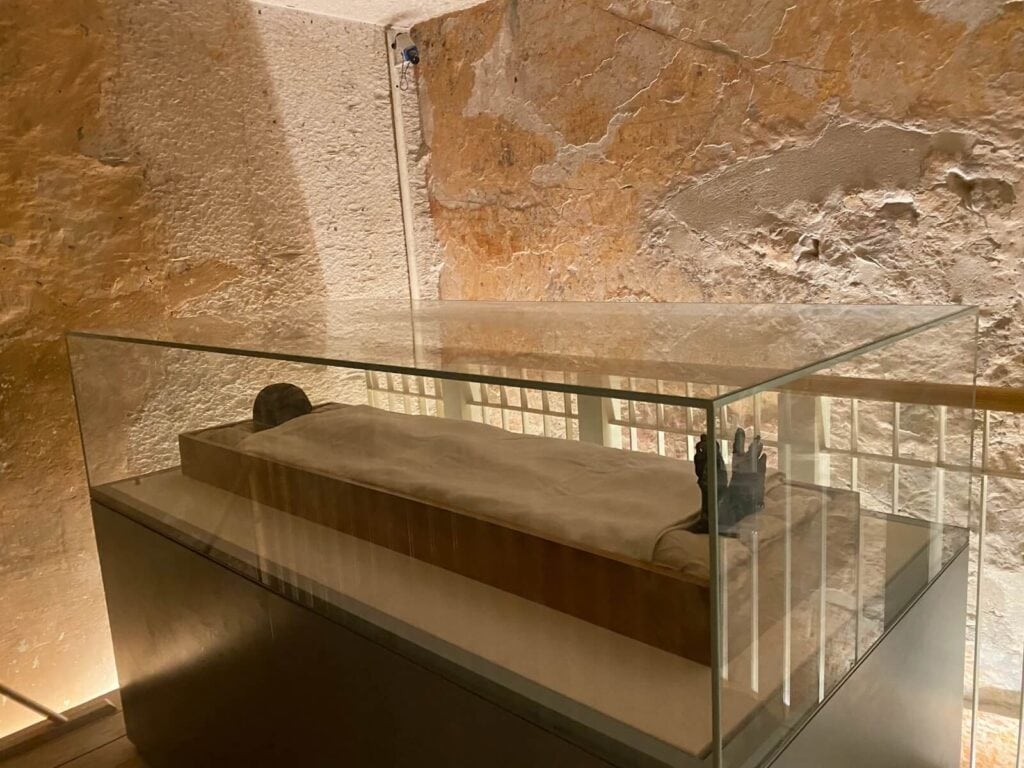
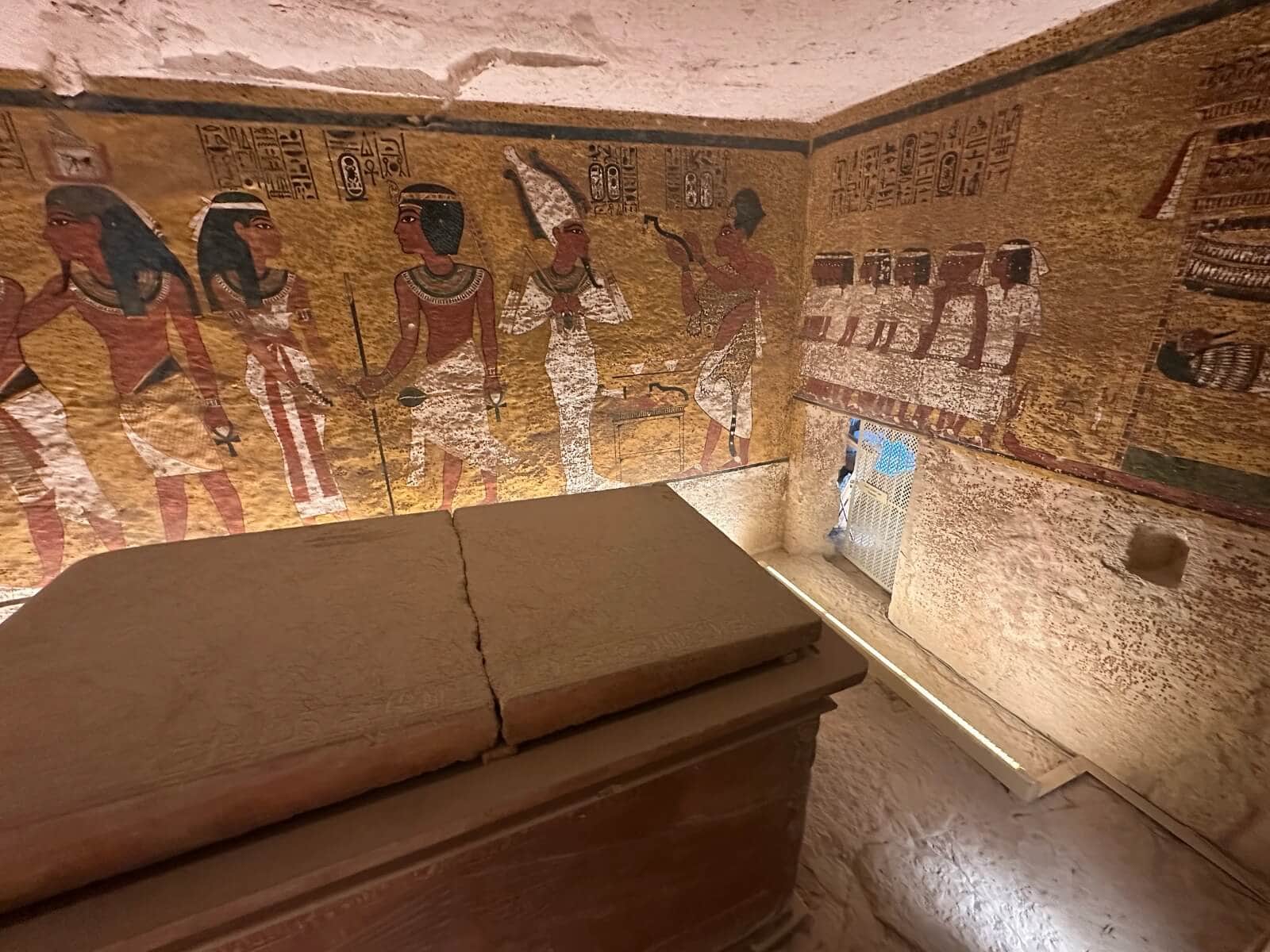
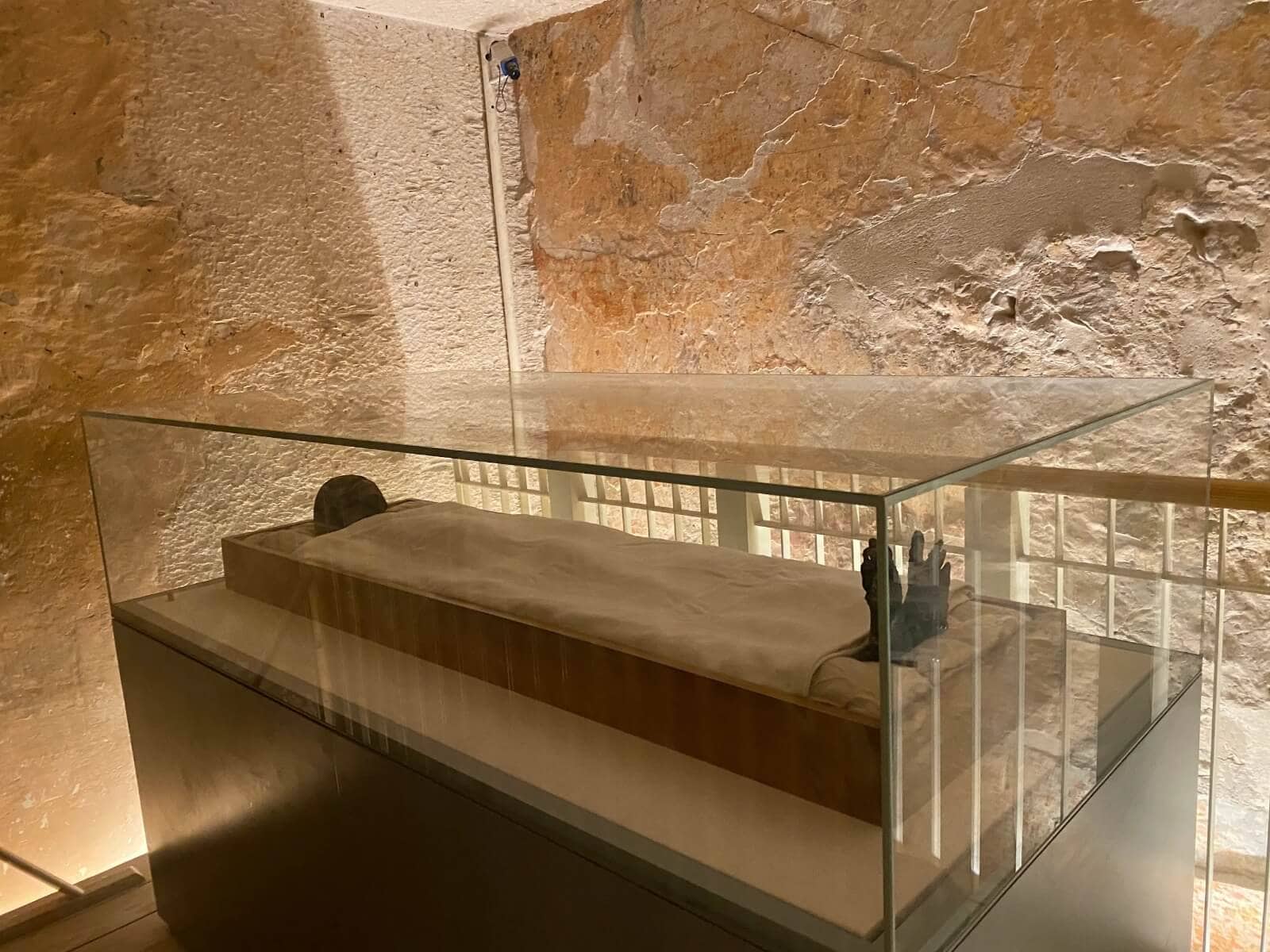
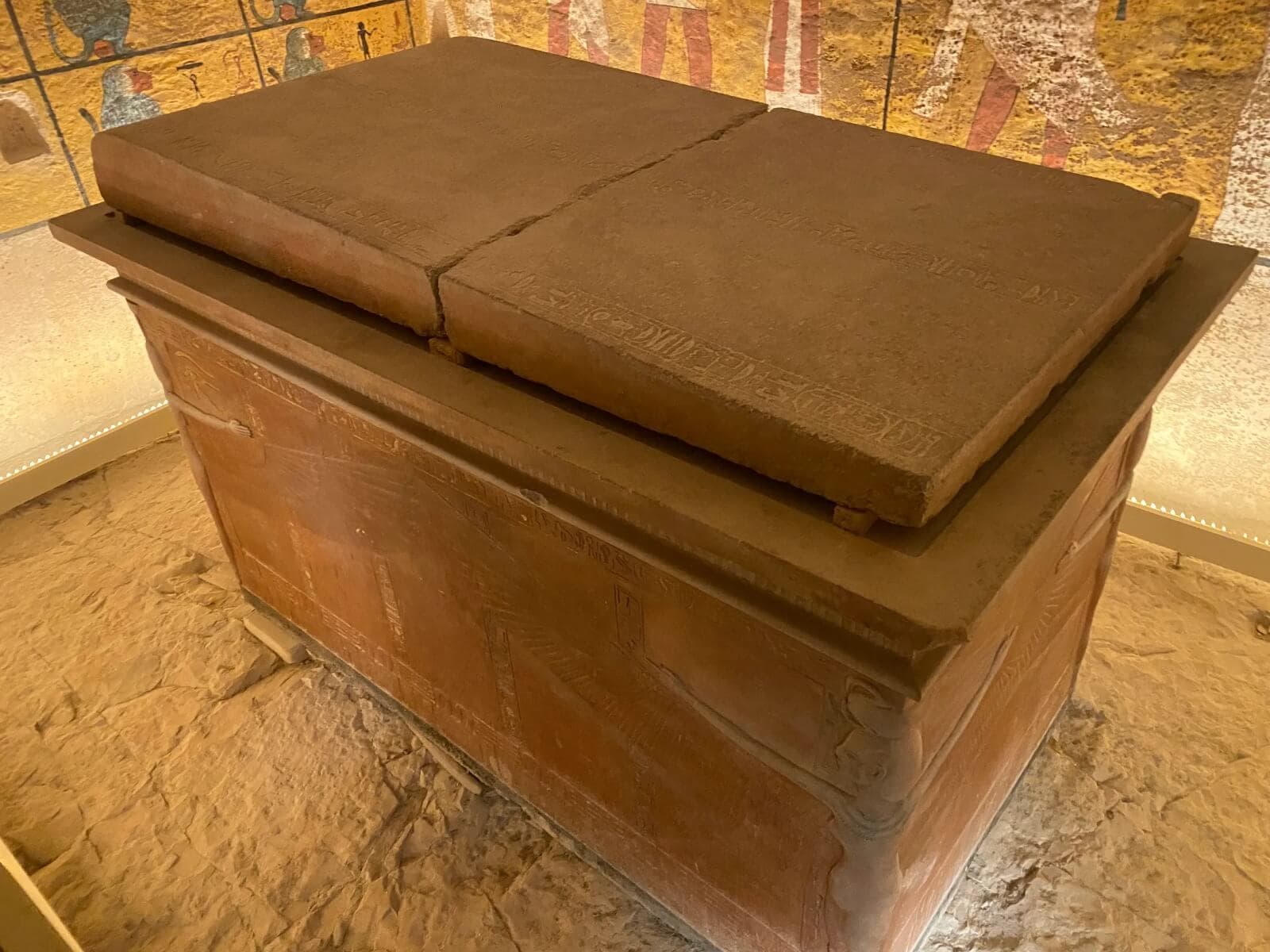
Tutankhamun Tomb (KV62): The most famous tomb in the valley, Tutankhamun’s burial chamber still contains the mummy of the young king. Although many treasures are now displayed in museums, the experience of entering the tomb where they were discovered remains unforgettable.
Tomb of Seti I (KV17): Often considered the most beautiful tomb in Egypt, Seti I’s tomb features exceptionally preserved reliefs, long decorated corridors, and remarkable astronomical ceilings.
Tomb of Ramesses VI (KV9): This tomb is famous for its enormous corridors and spectacular ceiling artwork showing detailed scenes of the heavens and underworld.
Royal Wall Paintings: Many Luxor tombs preserve vibrant colors despite their immense age. Hieroglyphics, sacred texts, and ceremonial scenes cover nearly every surface.
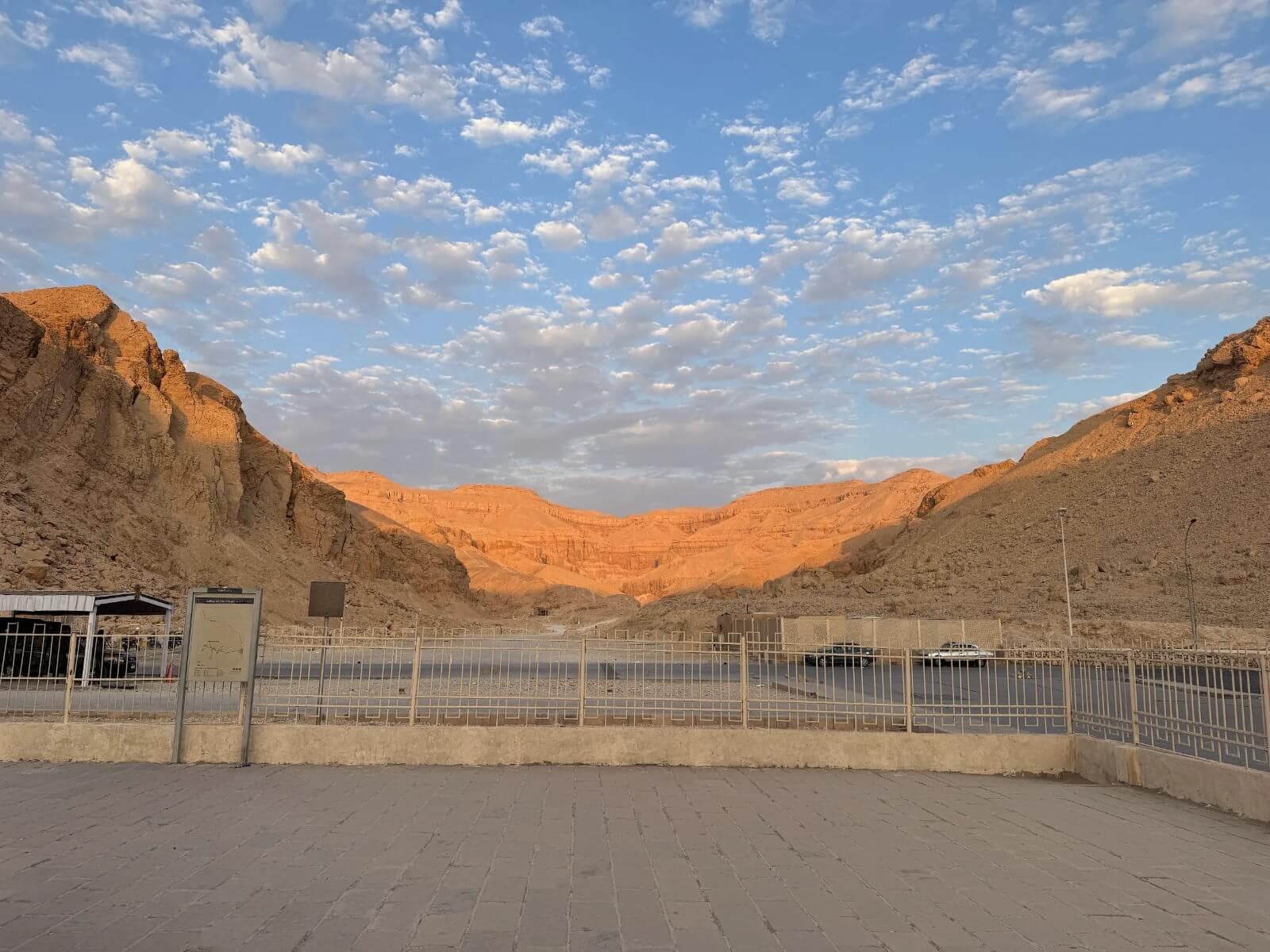
Desert Landscape & Mountain Views: The barren limestone cliffs surrounding the valley create a dramatic atmosphere unlike anywhere else in Egypt. Sunrise and early morning visits offer especially beautiful lighting.
Visitor Center & Electric Train: Modern visitor facilities help explain the history of the valley, while small electric trains transport visitors from the entrance area into the archaeological zone.
Why Visit
Cultural & Historical Significance
Few archaeological sites reveal the spiritual world of ancient Egypt as profoundly as the Valley of the Kings. More than a burial ground, it represents an entire civilization’s understanding of death, kingship, religion, and eternity.
The Sacred Journey to the Afterlife: Ancient Egyptians believed death was not the end of life but the beginning of a divine transformation. The tombs were carefully designed as gateways to immortality, filled with magical texts and sacred imagery intended to guide the pharaoh safely through the underworld.
The elaborate decoration of the pharaoh tombs reflects the immense importance Egyptians placed on resurrection and eternal existence.
A Monument to Royal Power: The valley symbolizes the height of New Kingdom Egypt — an era of military strength, wealth, artistic achievement, and political dominance. The rulers buried here controlled vast territories and commissioned some of the greatest monuments of the ancient world.
The Luxor tombs remain powerful reminders of the authority and divine status of Egyptian kings.
An Archaeological Treasure of Humanity: The discovery of Tutankhamun’s tomb sparked worldwide fascination with ancient Egypt and transformed archaeology forever. Thousands of artifacts uncovered in the valley continue to shape modern understanding of ancient religion, craftsmanship, medicine, and daily life.
UNESCO Recognition & Global Legacy: The Valley Kings Egypt site forms part of the UNESCO-listed Theban Necropolis. It attracts millions of visitors each year and remains one of the world’s most recognizable symbols of ancient civilization.
Even today, ongoing excavations continue to uncover new evidence about Egypt’s royal past, ensuring the valley remains an active center of archaeological research.
Explore the Wonders of Ancient Egypt
Book your visit to the Valley of the Kings and explore one of the world’s most iconic ancient landmarks.
Visitor Information
Location & Access
The Valley of the Kings is located on Luxor’s West Bank, approximately 30 minutes from central Luxor and accessible by taxi, tour vehicle, Nile cruise excursion, or guided day tour.
Getting There
20–30 minutes from central Luxor
Easily combined with West Bank attractions
Ticket Pricing
Standard entry tickets usually include access to several selected tombs, while premium tombs such as Tutankhamun, Seti I, and Ramesses VI often require separate tickets.
| Ticket Type | Approximate Price |
|---|---|
| General Entry | EGP 600–750 |
| Tutankhamun Tomb | Additional fee |
| Seti I Tomb | Premium ticket required |
Prices may change periodically.
Essential Tips
- Visit early morning for cooler temperatures and fewer crowds.
- Allow 3–4 hours to explore the valley properly.
- Wear lightweight clothing, sunscreen, and comfortable walking shoes.
- Photography restrictions may apply inside certain tombs.
- Some tomb interiors are steep, narrow, and humid.
- A guided tour greatly enhances understanding of the artwork and history.
- Winter months from October to April offer the best weather.
FAQs
Frequently Asked Questions About the Valley of the Kings
What is the Valley of the Kings famous for?
The valley is famous for being the royal burial site of New Kingdom pharaohs, including the discovery of the Tutankhamun tomb.
How many tombs are in the Valley of the Kings?
More than 60 tombs and chambers have been discovered so far.
Can you enter the tombs?
Yes. Visitors can enter several tombs with a standard ticket, while special tombs require additional tickets.
Which tomb is the most famous?
Tutankhamun’s tomb (KV62) is the most famous due to the discovery of its treasures in 1922.
When is the best time to visit?
October through April offers the most comfortable temperatures for exploring Luxor tombs and outdoor archaeological sites.
Is the Valley of the Kings a UNESCO site?
Yes. It forms part of the UNESCO World Heritage-listed Theban Necropolis near Luxor.
Plan Your Visit
Ready to Step Inside Egypt's Royal History?
Book your cruise or tour package to ensure seamless entry, expert guidance, and the most meaningful experience at the last surviving Wonder of the Ancient World.